

Meta Title
Common Reasons for Feeling Weak During the Day | Daily Health Portal
Meta Description
Feeling weak during the day? Discover the most common causes of daytime weakness, from dehydration and poor sleep to nutrient deficiencies, stress, and lifestyle habits. Learn practical tips to boost daily energy naturally.
Introduction
Feeling weak during the day is a common complaint among adults in the USA and UK. You may wake up feeling fine, but as the day progresses, your energy levels drop, your body feels heavy, and even simple tasks seem exhausting. This constant tiredness can affect productivity, mood, and overall quality of life.
Daytime weakness is not always caused by a serious medical condition. In many cases, it is linked to lifestyle habits, diet, sleep patterns, stress levels, or nutrient deficiencies. Understanding the root cause is the first step toward regaining strength and staying active throughout the day.
In this article, we’ll explore the most common reasons for feeling weak during the day, along with practical, science-backed tips to help you restore your energy naturally.
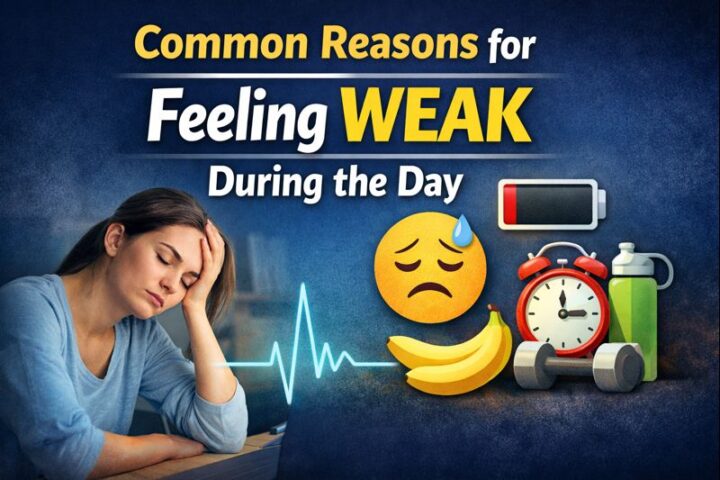
1. Dehydration
One of the most overlooked causes of daytime weakness is dehydration. Even mild dehydration can lead to fatigue, dizziness, and reduced physical performance.
When your body lacks enough fluids:
- Blood volume decreases
- Oxygen delivery to muscles slows down
- Brain function becomes less efficient
Signs of dehydration
- Dry mouth or lips
- Dark yellow urine
- Headaches
- Muscle weakness
What you can do
- Drink water regularly throughout the day
- Increase fluid intake if you sweat a lot
- Include water-rich foods like fruits and vegetables
Staying properly hydrated is one of the simplest ways to fight daily weakness.
2. Poor Sleep Quality
Not getting enough quality sleep is a major reason for feeling weak and tired during the day. Adults typically need 7–9 hours of uninterrupted sleep each night.
Even if you spend enough time in bed, poor sleep quality due to:
- Stress
- Late-night screen use
- Irregular sleep schedules
can leave you feeling drained.
How poor sleep affects energy
- Slows muscle recovery
- Disrupts hormone balance
- Reduces mental alertness
Tips to improve sleep
- Maintain a consistent sleep schedule
- Avoid caffeine late in the day
- Create a dark, quiet sleep environment
Better sleep directly translates to better daytime strength and focus.
3. Skipping Meals or Poor Nutrition
Your body relies on food as its primary energy source. Skipping meals or eating low-quality foods can cause blood sugar drops, leading to weakness and fatigue.
Common dietary mistakes include:
- Skipping breakfast
- Eating too many refined carbs
- Lack of protein intake
Nutrients linked to energy
- Protein for muscle strength
- Complex carbohydrates for sustained energy
- Healthy fats for endurance
Smart eating habits
- Eat balanced meals every 3–4 hours
- Include lean protein and fiber
- Avoid excessive sugary snacks
A well-balanced diet is essential for steady energy throughout the day.
4. Iron Deficiency
Iron deficiency is a common cause of weakness, especially in women. Iron helps transport oxygen in the blood, and low levels can result in constant tiredness and muscle weakness.
Common symptoms
- Pale skin
- Shortness of breath
- Cold hands and feet
- Low stamina
How to support iron levels
- Eat iron-rich foods like spinach, beans, and lean meats
- Pair iron with vitamin C for better absorption
- Consult a healthcare provider if symptoms persist
Untreated iron deficiency can significantly impact daily energy and physical strength.
5. Vitamin B12 and Vitamin D Deficiency
Certain vitamin deficiencies can quietly drain your energy.
Vitamin B12 deficiency
Vitamin B12 is essential for nerve function and red blood cell production. Low levels can cause:
- Weakness
- Tingling sensations
- Brain fog
Vitamin D deficiency
Vitamin D supports muscle strength and immune health. Deficiency may lead to:
- Muscle pain
- Low energy
- Frequent illness
Prevention tips
- Get regular sunlight exposure
- Eat fortified foods
- Consider supplements if advised by a professional
Maintaining healthy vitamin levels helps prevent chronic daytime fatigue.
6. Chronic Stress and Mental Fatigue
Mental exhaustion can feel just as draining as physical fatigue. Ongoing stress triggers cortisol release, which can disrupt sleep, digestion, and energy balance.
Effects of stress on the body
- Muscle tension
- Hormonal imbalance
- Reduced motivation
Stress management strategies
- Practice deep breathing or meditation
- Take short breaks during work
- Engage in light physical activity
Managing stress is essential for both mental clarity and physical strength.
7. Sedentary Lifestyle
Lack of movement may seem like it saves energy, but it often does the opposite. Sitting for long hours can slow circulation and weaken muscles.
Why inactivity causes weakness
- Reduced muscle tone
- Poor blood flow
- Lower oxygen delivery
Simple ways to stay active
- Take short walks every hour
- Stretch during breaks
- Aim for 30 minutes of daily movement
Regular physical activity actually boosts energy rather than draining it.
8. Excessive Caffeine or Sugar Intake
While caffeine and sugar offer quick energy, overuse can lead to sudden crashes.
Common problems
- Energy spikes followed by fatigue
- Sleep disruption
- Increased anxiety
Healthier alternatives
- Limit coffee to 1–2 cups per day
- Replace sugary snacks with fruit or nuts
- Drink herbal teas or water
Balanced energy comes from stable habits, not stimulants.
9. Underlying Health Conditions
Sometimes, persistent weakness may signal an underlying health issue such as:
- Thyroid disorders
- Low blood pressure
- Diabetes
- Chronic infections
If weakness lasts for weeks despite lifestyle improvements, it’s important to seek medical advice.
How to Regain Strength During the Day
Here are some quick daily habits to reduce weakness:
- Start the day with a nutritious breakfast
- Stay hydrated
- Move your body regularly
- Prioritize sleep
- Manage stress effectively
Small changes can lead to big improvements in daily energy levels.
FAQs – Common Reasons for Feeling Weak During the Day
1. Is feeling weak during the day normal?
Occasional weakness is normal, especially after poor sleep or heavy activity. However, daily or persistent weakness may indicate dehydration, poor nutrition, stress, or an underlying health issue that needs attention.
2. Can dehydration really cause weakness?
Yes, dehydration reduces blood volume and oxygen delivery to muscles, leading to fatigue, dizziness, and weakness. Drinking enough water throughout the day can significantly improve energy levels.
3. What deficiency causes weakness and tiredness?
Iron, vitamin B12, and vitamin D deficiencies are common causes of weakness and fatigue. These nutrients play key roles in oxygen transport, nerve function, and muscle strength.
4. Why do I feel weak even after eating?
Weakness after eating may be due to poor food choices, blood sugar fluctuations, or overeating refined carbohydrates. Balanced meals with protein and fiber help maintain steady energy.
5. Does lack of exercise make you weak?
Yes, a sedentary lifestyle weakens muscles and reduces circulation, which can lower energy levels. Regular light exercise helps improve strength and stamina.
6. Can stress make the body feel weak?
Chronic stress exhausts the nervous system and disrupts sleep and hormones, leading to physical weakness and mental fatigue over time.
7. How long should weakness last before seeing a doctor?
If weakness persists for more than two weeks despite lifestyle changes, or is accompanied by dizziness, weight loss, or shortness of breath, consult a healthcare professional.
8. What is the best way to boost energy naturally?
Adequate sleep, hydration, balanced nutrition, regular physical activity, and stress management are the most effective natural ways to boost daily energy.
Internal Linking Suggestions:
- Benefits of Staying Hydrated for Overall Health
- Best Foods to Boost Energy Naturally
- Simple Morning Habits for Better Health
Published on DailyHealthPortal.com – Your trusted source for health & fitness insights.