
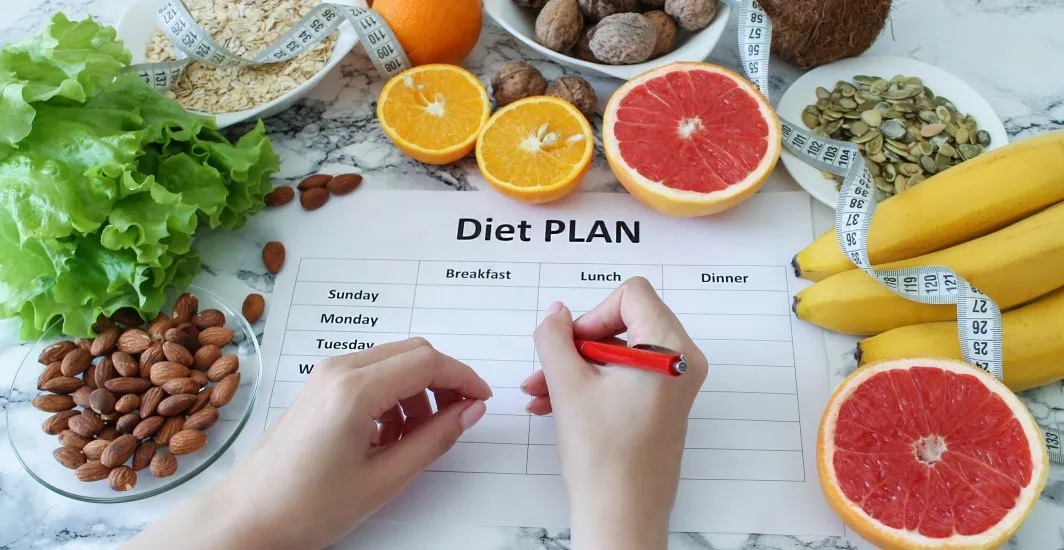
Introduction – Why You Need a Diet Plan
A healthy diet plan is one of the most powerful tools to improve your overall well-being. Whether you want better energy, improved digestion, or long-term fitness, eating the right foods at the right time can transform your health. In countries like the USA and the UK, fast food and busy lifestyles often lead to unhealthy eating habits. This practical guide helps you follow a balanced diet plan that is simple, effective, and easy to maintain.
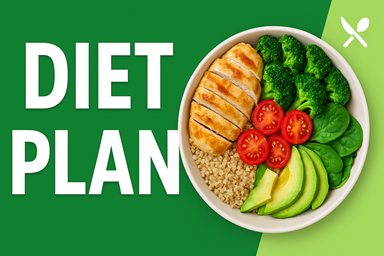
Understanding the Basics of a Healthy Diet Plan
Before creating your daily diet routine, you must understand what a healthy diet really means. A balanced diet plan includes all essential nutrients that your body needs to function properly.
Macronutrients
Macronutrients include protein, carbohydrates, and healthy fats.
- Protein supports muscles and boosts metabolism.
- Complex carbohydrates give long-lasting energy.
- Healthy fats protect your heart and improve brain function.
Micronutrients
Vitamins and minerals strengthen immunity, improve skin health, and support digestion. Whole foods like fruits, vegetables, and nuts provide plenty of micronutrients naturally.
Calorie Balance
A balanced diet plan works only when your calorie intake matches your body’s needs. Eating too many calories leads to weight gain, while eating too few slows metabolism.
Popular Diet Plans in the USA & UK
In Western countries, several diet approaches are trending. Here are the most effective ones:
Low-Carb Diet
A low-carb diet plan reduces sugar and refined carbs, helping stabilize blood sugar and support weight control.
Mediterranean Diet
This diet includes whole grains, olive oil, fish, nuts, and vegetables. It is one of the healthiest meal plans for heart health.
High-Protein Diet
Many fitness enthusiasts in the USA prefer high-protein diet meal ideas to build muscle and maintain a healthy weight.
Plant-Based Diet
A plant-focused diet reduces inflammation and supports long-term wellness.
Intermittent Fasting
Intermittent fasting focuses on eating within specific time windows to improve digestion and energy levels.
Creating a Personalized Diet Plan
Every person needs a diet plan that suits their lifestyle, work schedule, and physical activity.
Identify Your Daily Calorie Needs
Your age, gender, and activity level determine how many calories you need per day.
Plan Your Meal Timing
Evenly spaced meals keep your energy stable and prevent overeating.
Hydration
Water plays a major role in digestion and metabolism. Aim for 2–3 liters daily.
Portion Control
Using smaller plates and measuring food portions can help you avoid mindless eating.
7-Day Beginner-Friendly Diet Plan
This weekly diet plan is designed to be simple, tasty, and easy to follow.
Day 1
Breakfast: Greek yogurt + berries
Lunch: Grilled chicken salad
Dinner: Lentil soup + whole grain bread
Snacks: Mixed nuts, apple slices
Day 2
Breakfast: Oats with honey and banana
Lunch: Tuna sandwich (whole grain)
Dinner: Quinoa + steamed vegetables
Snacks: Carrot sticks, hummus
Day 3
Breakfast: High-protein smoothie
Lunch: Brown rice + roasted veggies
Dinner: Baked salmon + broccoli
Snacks: Almonds, yogurt
Day 4
Breakfast: Scrambled eggs + whole grain toast
Lunch: Chickpea salad
Dinner: Stir-fry chicken
Snacks: Fruit bowl
Day 5
Breakfast: Avocado toast
Lunch: Vegetable pasta
Dinner: Turkey breast + sweet potato
Snacks: Popcorn (light)
Day 6
Breakfast: Protein pancakes
Lunch: Grilled vegetables + beans
Dinner: Fish tacos
Snacks: Greek yogurt
Day 7
Breakfast: Smoothie bowl
Lunch: Quinoa salad
Dinner: Veggie stir-fry
Snacks: Peanut butter toast
Healthy Foods You Must Include
Lean Proteins
Chicken, fish, beans, tofu, and cottage cheese support muscle growth and help maintain energy.
Whole Grains
Brown rice, oats, quinoa, and whole wheat bread keep you full longer and stabilize blood sugar.
Fruits & Vegetables
They provide vitamins, minerals, and fiber.
Healthy Fats
Olive oil, nuts, seeds, and avocados support heart health.
Smart Carbs
Sweet potatoes, barley, and legumes are great for a balanced diet plan.
Foods to Avoid for Better Health
Processed Foods
Chips, frozen meals, and packaged snacks contain unhealthy fats and artificial ingredients.
Sugary Drinks
Soda, energy drinks, and sweetened juices add empty calories.
Refined Carbs
White bread, bakery items, and desserts lead to sugar spikes.
High-Sodium Foods
Too much salt increases blood pressure and water retention.
How to Stay Consistent with Your Diet Plan
Meal Preparation
Prepare meals in advance to avoid unhealthy choices.
Grocery Planning
Create a weekly shopping list based on your diet plan.
Mindful Eating
Enjoy your meals slowly and pay attention to hunger signals.
Stay Flexible
A healthy diet plan doesn’t require perfection—consistency is the key.
Common Diet Mistakes to Avoid
Skipping Meals
Skipping meals leads to overeating later and slows metabolism.
Crash Dieting
Extreme dieting causes fatigue and nutrient deficiencies.
Low Protein Intake
Protein is essential for metabolism and muscle maintenance.
Unrealistic Goals
Healthy weight changes take time. Expect steady progress, not overnight results.
Long-Term Benefits of a Balanced Diet
- Better energy levels
- Improved digestion
- Stronger immunity
- Healthy weight management
- Better sleep and mood
- Reduced risk of chronic diseases
Conclusion – Your DailyHealthPortal Diet Approach
Following a simple and healthy diet plan can completely change your lifestyle. With balanced meals, mindful eating, and consistency, you can maintain your energy levels and live a healthier life. Whether you live in the USA or the UK, this clean eating diet plan helps you build a strong foundation for long-term wellness.
For more health and fitness content, visit www.dailyhealthportal.com.