Meta Title: The Role of Hydration in Optimal Fitness: Why Water Matters for Performance
Meta Description: Discover how proper hydration boosts energy, improves workouts, enhances recovery, and supports overall fitness. Learn signs of dehydration and daily hydration tips.
Hydration is one of the most important yet most overlooked components of fitness. Whether you’re lifting weights, doing cardio, practicing yoga, or simply going for a walk, your body relies on water to perform efficiently. Staying hydrated boosts energy, improves endurance, sharpens focus, and prevents fatigue — all crucial for achieving optimal fitness.
Many people underestimate how much water they actually need. Even mild dehydration can negatively impact performance, slow recovery, and increase the risk of injury. Understanding the role of hydration helps you make better nutritional and fitness decisions every day.
This guide explains why hydration matters, how dehydration affects your body, and the best ways to maintain proper fluid balance for peak fitness.
H2: Why Hydration Matters for Fitness
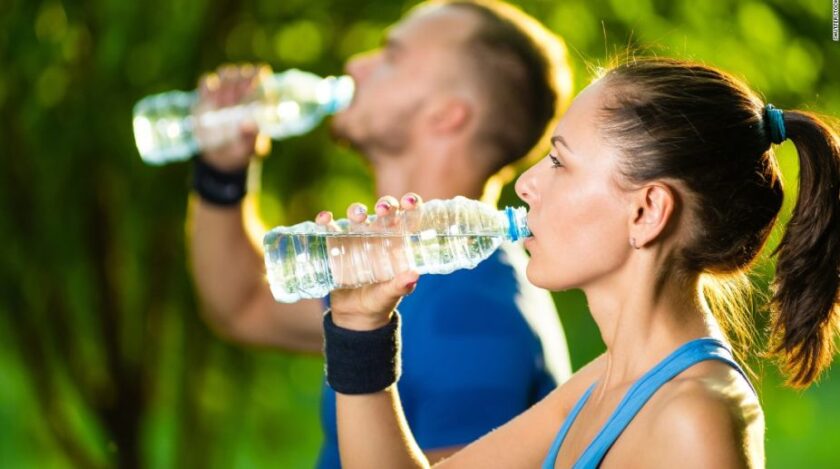
Water plays a vital role in almost every function of the human body. When you’re physically active, your muscles, joints, heart, and brain all depend on proper hydration to work at their best.
H3: Key Benefits of Proper Hydration
- Improved endurance and stamina
- Better temperature regulation during workouts
- Smoother nutrient and oxygen delivery to muscles
- Reduced muscle cramps and stiffness
- Higher energy levels and focus
- Faster recovery and reduced soreness
Even a small drop in hydration levels can affect your physical and mental performance.
H2: How Dehydration Affects Your Workout Performance
Dehydration doesn’t just make you thirsty — it affects your entire body system.
H3: Common Signs of Dehydration
- Headaches
- Fatigue
- Dry lips or dry mouth
- Dizziness
- Muscle cramps
- Dark yellow urine
- Reduced focus
- Faster heartbeat during exercise
H3: Fitness Effects of Dehydration
When your body lacks water:
- Muscles tighten faster, increasing the risk of cramps.
- Heart rate increases, making exercise feel harder.
- Body temperature rises quickly, causing overheating.
- Energy drops, leading to poor performance.
- Reaction time slows, affecting coordination.
Dehydration not only reduces workout quality but also raises the chances of injury and stress on the body.
H2: The Connection Between Water, Muscles, and Recovery
Your muscles consist of almost 75% water. This means hydration directly impacts muscle function, strength, and recovery.
H3: Why Muscles Need Water
Water helps:
- Transport essential nutrients to muscle cells
- Remove waste products like lactic acid
- Maintain electrolytes for proper muscle contractions
- Reduce inflammation after workouts
H3: Hydration and Post-Workout Recovery
After exercise, your body needs water to:
- Repair damaged muscle fibers
- Replenish glycogen stores
- Reduce soreness
- Restore joint lubrication
Drinking water before, during, and after exercise keeps your muscles functioning at their best.
H2: How Much Water Should You Drink Daily?
The ideal water intake depends on lifestyle, body weight, activity level, and environment.
H3: General Hydration Guidelines
- Men: About 3.7 liters (125 oz) daily
- Women: About 2.7 liters (91 oz) daily
These amounts include water from foods, fruits, and beverages.
H3: Hydration for Active People
If you exercise regularly, add:
- 350–700 ml (12–24 oz) of water per 30–60 minutes of workout
- Increase intake if you’re sweating heavily
- Add electrolytes for intense workouts or hot climates
Your body needs more water when you’re involved in fitness activities to stay energized and efficient.
H2: Hydration During Workouts: What You Need to Know
Drinking during exercise is essential for maintaining performance and preventing dehydration.
H3: When to Drink
- Before workout: 10–15 oz of water
- During workout: 4–8 oz every 15–20 minutes
- After workout: 12–20 oz within 30 minutes
Regular small sips work better than drinking large amounts at once.
H3: What to Drink During Workouts
- Water is perfect for most workouts.
- Electrolyte drinks are ideal for:
- High-intensity workouts
- Sessions longer than 60 minutes
- Hot or humid conditions
- Heavy sweating
Electrolytes restore sodium, potassium, and magnesium levels lost through sweat.
H2: Electrolytes and Their Role in Fitness Hydration
Electrolytes keep your body balanced and help your muscles contract properly.
H3: Main Electrolytes Needed During Exercise
- Sodium: Helps maintain fluid balance
- Potassium: Supports muscle function
- Magnesium: Prevents cramps
- Calcium: Essential for muscle contractions
H3: Electrolyte-Rich Foods
- Bananas
- Coconut water
- Yogurt
- Spinach
- Nuts and seeds
- Avocado
- Oranges
Adding these foods to your diet helps maintain natural electrolyte levels.
H2: Does Coffee or Tea Affect Hydration?
Many people believe coffee dehydrates the body, but recent studies show moderate caffeine intake doesn’t significantly cause dehydration.
H3: What You Should Know
- Coffee and tea still count toward daily fluid intake.
- Avoid drinking caffeinated beverages right before intense workouts.
- Balance caffeine with plenty of water.
Moderation is key — pair caffeine with proper hydration.
H2: Hydrating Foods That Support Fitness
Certain foods contain high water content and help maintain hydration throughout the day.
H3: Best Hydrating Foods
- Watermelon
- Cucumbers
- Strawberries
- Spinach
- Lettuce
- Celery
- Pineapple
- Tomatoes
- Oranges
Including these foods in your meals boosts hydration naturally.
H2: Practical Tips to Stay Hydrated All Day
Small habits can keep your hydration levels balanced without effort.
H3: Simple Daily Hydration Habits
- Start your morning with a glass of water
- Keep a reusable water bottle with you
- Set hydration reminders on your phone
- Add lemon or mint for flavor
- Drink water before every meal
- Replace 1 sugary drink with water daily
These habits help you maintain consistency and long-term fitness.
H2: The Link Between Hydration and Weight Loss
Hydration plays a surprising role in weight management.
H3: How Water Supports Weight Loss
- Increases metabolism
- Reduces hunger cravings
- Improves digestion
- Boosts energy for workouts
- Helps burn calories more efficiently
Most people mistake thirst for hunger — staying hydrated prevents overeating.
H2: Internal Linking Suggestions for Your Website
You can internally link this article to:
- “7 Easy Ways to Increase Your Daily Steps”
- “Top Healthy Foods for Daily Energy”
- “Simple Home Workouts for Beginners”
- “How to Stay Motivated to Exercise Every Day”
These links help improve SEO and keep users engaged longer.
H2: FAQs
H3: 1. Why is hydration important for fitness?
Hydration improves energy, supports muscle function, regulates body temperature, and boosts workout performance. Without proper hydration, the body becomes fatigued faster and exercise feels harder.
H3: 2. How much water should I drink each day for fitness?
Most adults should drink between 90–125 ounces daily depending on gender and activity level. Add extra water before, during, and after workouts to maintain proper hydration.
H3: 3. Can dehydration affect my workout results?
Yes. Even mild dehydration can reduce strength, slow endurance, increase fatigue, and cause muscle cramps. It also negatively affects recovery and overall performance.
H3: 4. Should I drink electrolytes during exercise?
Electrolytes are helpful during long workouts, hot climates, or heavy sweating. They restore minerals lost through sweat and prevent dehydration and cramps.
H3: 5. Is drinking too much water harmful?
Excessive water intake without electrolytes can lead to imbalanced minerals, known as hyponatremia. Drink steadily and include electrolytes during intense exercise.
H3: 6. What are the best drinks for hydration?
Water is best for most situations. Electrolyte drinks, coconut water, and diluted fruit juices are good choices for long or intense workouts.
H3: 7. How can I tell if I’m dehydrated?
Common signs include dry mouth, fatigue, dizziness, muscle cramps, dark yellow urine, and headaches. If these symptoms appear, increase your water intake immediately.
H3: 8. Do caffeinated drinks dehydrate you?
Moderate coffee and tea intake does not significantly dehydrate you, but too much caffeine can increase thirst. Balance caffeine with plenty of water.
H3: 9. What foods help with hydration?
Watermelon, cucumbers, citrus fruits, tomatoes, celery, and leafy greens all contain high water content. They help maintain hydration naturally throughout the day.
H3: 10. How does hydration help with weight loss?
Drinking enough water improves metabolism, reduces cravings, and increases workout energy. It helps you burn more calories and stay active throughout the day.