Meta Title: The Truth About Supplements: What Really Works and What to Avoid
Meta Description: Discover which supplements are truly effective, which ones are a waste of money, and how to choose safe, science-backed options for better health and energy.
Introduction: The Real Story Behind Supplements
The supplement industry in the USA and UK is massive, worth billions, and constantly growing. Everywhere you look—online ads, fitness influencers, gym shelves—you’ll find products promising more energy, faster weight loss, better sleep, stronger immunity, and even a longer life.
But here’s the truth:
Not all supplements work.
Not all supplements are safe.
And many people take supplements they don’t even need.
This article breaks down what actually works, what doesn’t, and how to choose supplements safely, based on research and real-world evidence. It’s written in simple, clear US English and tailored for readers who want honest, practical advice—not marketing hype.

What Are Supplements Really For?
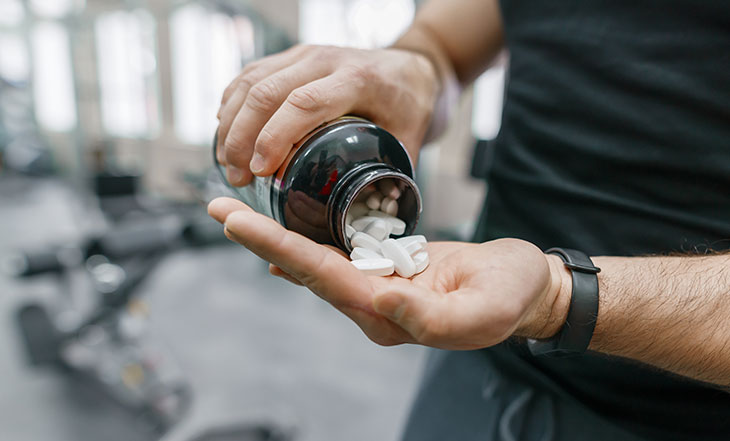
Dietary supplements are designed to supplement your nutrition, not replace it. They can help fill nutrient gaps, support body functions, and improve overall wellness when used correctly.
People commonly take supplements to support:
- Energy levels
- Immunity
- Muscle growth
- Weight management
- Heart health
- Brain function
- Sleep and stress relief
- Skin, hair, and nail health
However, taking the wrong supplement—or too many—can do more harm than good.
Supplements That Actually Work (Backed by Science)
1. Vitamin D
Vitamin D deficiency is extremely common in the USA and UK due to indoor lifestyles and long winters.
Research shows Vitamin D supports:
- Immunity
- Bone strength
- Hormone balance
- Mood regulation
Who benefits most?
People who rarely get sun, adults 40+, and anyone experiencing fatigue or low mood.
2. Omega-3 (Fish Oil)
Omega-3 fatty acids are proven to support:
- Heart health
- Brain function
- Joint mobility
- Inflammation control
These benefits are backed by decades of research.
Choose:
High-quality fish oil or algae-based omega-3 (vegan option).
3. Magnesium
Magnesium supports over 300 functions in the body. Many adults don’t get enough.
Benefits include:
- Better sleep
- Muscle recovery
- Stress reduction
- Improved mood
- Heart health
Best forms: Glycinate, citrate, or malate.
Avoid magnesium oxide — it absorbs poorly.
4. Creatine Monohydrate
Creatine is one of the most researched supplements in the world.
Benefits proven by science:
- Improves strength
- Enhances muscle performance
- Boosts endurance
- Supports brain health
Safe for long-term use when taken in recommended amounts.
5. Protein Powder (Whey or Plant-Based)
Protein powder isn’t magic — it’s just convenient.
It helps people who:
- Struggle to hit daily protein goals
- Want to build muscle
- Are active or busy
- Need quick post-workout nutrition
Whey protein absorbs fastest; plant-based protein is great for vegans or sensitive stomachs.
6. Probiotics
Probiotics may help with:
- Digestion
- Bloating
- Gut health
- Immunity
However, quality varies widely.
Choose:
Clinical-tested strains such as Lactobacillus or Bifidobacterium.
7. Fiber Supplements
If you don’t eat enough fruits, vegetables, or whole grains, fiber supplements can help manage:
- Digestion
- Weight
- Cholesterol
- Blood sugar
Psyllium husk is one of the most effective forms.
Supplements That Don’t Work (Or Are Overhyped)
1. Fat Burners
Most fat burners are filled with caffeine and stimulants.
They:
- Increase heart rate
- Cause anxiety
- Don’t burn meaningful fat
Real fat loss comes from diet + exercise, not pills.
2. Detox Supplements
Your body detoxes itself—through the liver, kidneys, and skin.
Detox teas and pills:
- Don’t remove toxins
- Often act as laxatives
- Can cause dehydration
Avoid them.
3. Collagen Supplements (Overrated)
Collagen is trendy, but the science is mixed.
Some benefits exist for skin and joints, but results vary and improvements are often minor.
You can get better collagen naturally through:
- High-protein foods
- Bone broth
- Vitamin C-rich foods
4. Testosterone Boosters
Most “test boosters” don’t significantly raise testosterone unless you have a medical deficiency.
Zinc, vitamin D, and lifestyle changes are far more effective.
5. Hair Growth Pills
Many hair supplements make big promises but offer limited results unless the deficiency is severe.
Better approach:
- Improve nutrition
- Reduce stress
- Use dermatologist-approved treatments
Supplements to Avoid (Unsafe or Questionable)
1. Mega-dose Vitamins
“More” is not better.
Too much Vitamin A, E, or K can be toxic.
2. Unregulated Herbal Blends
Supplements like:
- “Male enhancement pills”
- “Extreme fat burners”
- “Quick muscle gain” products
Often hide illegal or unsafe ingredients.
3. Powders from Unknown Brands
Anything with:
- No third-party testing
- No ingredient transparency
- Unrealistic claims
Should be avoided immediately.
How to Choose Supplements Safely (Buyer’s Checklist)
✔ Check for Third-Party Testing
Look for:
- NSF
- Informed Choice
- USP
- ConsumerLab
This ensures purity and safety.
✔ Avoid Brands with Too-Good-To-Be-True Claims
If it promises:
- “Lose 10 lbs in 7 days”
- “Boost testosterone 300%”
- “Grow hair instantly”
It’s a scam.
✔ Read Labels Carefully
Avoid supplements that include:
- Proprietary blends
- Hidden ingredients
- Excess fillers
- Artificial dyes
✔ Choose Research-Backed Ingredients
Examples:
- Creatine
- Magnesium
- Omega-3
- Vitamin D
✔ Buy from Reputable Websites or Stores
Trusted sources include:
- Amazon (top verified sellers)
- Walmart
- Walgreens
- Boots (UK)
- Holland & Barrett (UK)
Do You Really Need Supplements?
Not everyone needs supplements.
You may benefit from them if you:
- Have a busy lifestyle
- Don’t eat balanced meals
- Experience fatigue
- Work out regularly
- Follow vegan or vegetarian diets
- Have nutrient deficiencies
But supplements should support, not replace, a healthy diet.
Internal Linking Suggestions for Your Website
You can internally link this article to:
- “Best Foods for Daily Energy Boost”
- “Home Gym Essentials for Small Spaces”
- “5 Tips to Boost Your Energy Naturally”
- “Healthy Eating for Busy Professionals”
These links will improve SEO and session time.
FAQs (5–10 Questions with 40–60 Word Answers)
1. Are supplements safe to take every day?
Most basic supplements—like Vitamin D, magnesium, or omega-3—are safe for daily use when taken in recommended doses. The key is choosing third-party-tested products and avoiding mega-doses. If you have medical conditions or take prescription medicines, speak with your doctor before starting any new supplement.
2. Do I really need supplements if I eat a healthy diet?
If your diet is consistently balanced with whole foods, you may not need supplements. However, many people still fall short on nutrients like Vitamin D, Omega-3, and magnesium. Supplements help fill these gaps and support overall wellness, especially for busy professionals or active individuals.
3. What supplements should I avoid?
Avoid supplements that promise extreme results, contain unverified herbal blends, or lack proper testing. Detox pills, fat burners, unbranded testosterone boosters, and unknown powders can be unsafe. Always choose reputable brands with transparent ingredients and certification seals for purity and quality.
4. Which supplements give the best energy boost?
Magnesium, Vitamin B12, Omega-3, and iron (if deficient) can naturally support energy. Creatine also improves physical performance and mental clarity. Avoid stimulant-based products that cause a temporary boost followed by a crash. Nutrient-based supplements work best for long-term, stable energy levels.
5. What is the most researched supplement?
Creatine monohydrate is one of the most researched supplements worldwide. Studies consistently show it improves strength, muscle performance, brain function, and recovery. It is safe for long-term use when taken in proper amounts and is widely recommended by sports nutrition experts.
6. Do probiotics really help with digestion?
Yes, certain probiotic strains can help reduce bloating, support digestion, and improve gut health. However, effectiveness depends on the strain and quality. Look for clinically studied strains like Lactobacillus or Bifidobacterium and avoid products with vague “proprietary blends.”
7. Are collagen supplements worth taking?
Collagen supplements may offer small benefits for skin elasticity and joint comfort, but results vary widely. They are not a miracle solution. A protein-rich diet with Vitamin C often supports natural collagen production more effectively. Choose hydrolyzed collagen if you decide to use one.
8. How do I know if a supplement is working?
You may notice improvements in energy, mood, digestion, or recovery within a few weeks. Blood tests can confirm changes in nutrient levels. Keep track of your symptoms and avoid taking too many supplements at once—otherwise it becomes hard to measure what’s effective.
9. Can supplements help with weight loss?
No supplement can replace calorie control and physical activity. However, protein powder, fiber supplements, and omega-3 can support weight management by improving fullness, digestion, and metabolic health. Avoid flashy “fat burners” that contain risky stimulants and deliver temporary results.
10. How many supplements are too many?
It’s easy to overdo it. Taking too many supplements increases risk of nutrient imbalance and interactions. Stick to essential, research-backed options and avoid stacking products with similar ingredients. A simple routine is often more effective—and much safer.