Meta Title: How Air Quality Impacts Your Fitness Performance | Daily Health Portal
Meta Description: Discover how air pollution affects your workouts, stamina, and recovery. Learn practical tips to protect your fitness and boost performance with clean air strategies.
Introduction
Fitness enthusiasts and athletes often focus on diet, exercise routines, and recovery—but one crucial factor is often overlooked: air quality. The air you breathe during workouts can significantly impact your endurance, energy levels, and overall performance. Poor air quality may reduce lung efficiency, increase fatigue, and even affect long-term health.
Understanding the connection between air quality and fitness can help you optimize your workouts, avoid risks, and achieve better results.
How Air Quality Affects Physical Performance
1. Oxygen Intake and Lung Function
During exercise, your body demands more oxygen. When air is polluted with particles like PM2.5, PM10, or ozone, your lungs struggle to supply enough oxygen to your muscles. This can cause:
- Shortness of breath
- Reduced endurance
- Faster fatigue
Tip: Monitor local air quality indexes (AQI) and avoid outdoor workouts when pollution levels are high.
2. Cardiovascular Impact
Polluted air can increase heart rate and strain your cardiovascular system. Studies show that exposure to air pollution during exercise can:
- Increase the risk of arrhythmia
- Reduce aerobic performance
- Hinder recovery after workouts
Tip: Opt for indoor exercise in well-ventilated spaces or use air purifiers at home or in gyms.
3. Muscle Recovery and Inflammation
Toxins in polluted air can cause oxidative stress, leading to inflammation in muscles and joints. This delays recovery, increases soreness, and may reduce workout frequency.
Tip: Include antioxidants in your diet, like berries, spinach, and green tea, to help combat inflammation.
Air Quality and Different Types of Workouts
1. Cardio Workouts
Running, cycling, and HIIT require deep, consistent breathing. Poor air quality:
- Reduces oxygen availability for muscles
- Increases lung irritation
- Lowers performance in endurance exercises
Tip: Shift cardio sessions to early mornings or late evenings when pollution levels are typically lower.
2. Strength Training
While strength workouts rely less on continuous oxygen intake, air pollutants can still:
- Cause fatigue faster
- Impact recovery between sets
- Reduce overall training efficiency
Tip: Perform weight training in gyms with good ventilation and clean air systems.
3. Outdoor Sports
Sports like football, tennis, and hiking expose you to ambient air quality. Poor conditions may:
- Reduce stamina
- Increase the risk of respiratory issues
- Affect coordination due to fatigue
Tip: Check AQI apps before outdoor sports. Wear pollution masks if necessary.
Practical Tips to Improve Fitness in Poor Air Quality
- Track Air Quality Daily – Use apps like AirVisual or AQICN for updates.
- Indoor Workouts – Use home gyms or well-ventilated fitness studios.
- Air Purifiers – Consider HEPA filter purifiers for indoor workouts.
- Timing Matters – Avoid peak traffic hours for outdoor exercise.
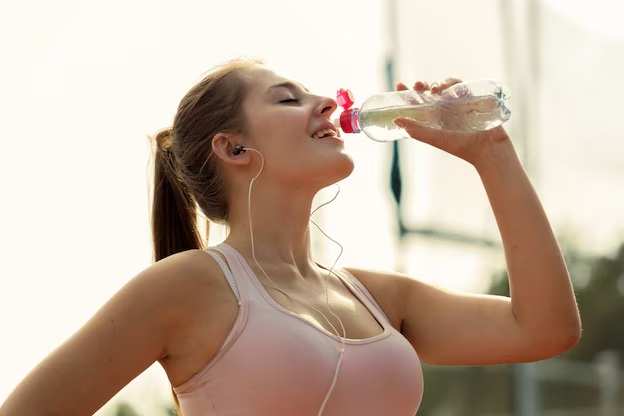
- Hydrate Well – Water helps flush out toxins and supports lung function.
- Protective Gear – Use anti-pollution masks if exercising outdoors.
- Diet Support – Include antioxidant-rich foods to fight oxidative stress.
Long-Term Health Implications
Consistently exercising in polluted air may lead to:
- Chronic respiratory problems
- Cardiovascular issues
- Reduced exercise capacity over time
Maintaining awareness and practicing preventive measures ensures both fitness gains and long-term health.
Internal Linking Suggestions
- Link to articles on “Top Antioxidant Foods for Fitness”
- Link to “Indoor Workout Routines for Busy Professionals”
- Link to “Breathing Exercises to Improve Lung Capacity”
FAQs
1. How does air pollution affect workout performance?
Air pollution reduces oxygen intake, strains the heart, and increases fatigue. Poor air quality can hinder endurance, strength, and recovery, making workouts less effective.
2. Can exercising indoors eliminate pollution risks?
Indoor workouts in well-ventilated spaces or gyms with air purifiers minimize exposure to pollutants, improving performance and safety.
3. What is the best time to exercise outdoors for cleaner air?
Early mornings or late evenings usually have lower pollution levels. Avoid high-traffic times to reduce exposure to harmful particles.
4. Are masks effective for outdoor workouts in polluted areas?
Yes, anti-pollution masks with proper filtration can help block harmful particles, especially during high-intensity outdoor exercise.
5. How can diet help combat air pollution effects on fitness?
Antioxidant-rich foods like berries, leafy greens, and green tea reduce oxidative stress, supporting muscle recovery and lung health.
6. Does air pollution impact both cardio and strength training?
Yes, cardio is more immediately affected due to oxygen demand, but strength training can also suffer from fatigue, inflammation, and slower recovery.
7. Can long-term exposure to poor air quality affect athletic performance?
Chronic exposure may lead to respiratory and cardiovascular issues, reducing overall fitness capacity and long-term performance.