

Meta Title
Why Small Health Problems Are Increasing in Adults | Health & Fitness Guide
Meta Description
Discover why small health problems like fatigue, acidity, joint pain, and stress are becoming common in adults. Learn causes, lifestyle mistakes, and practical solutions to stay healthy.
Introduction
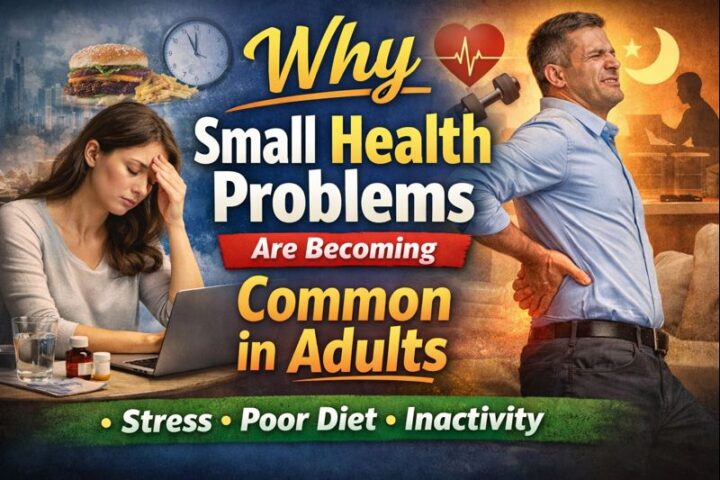
In today’s fast-paced world, many adults believe they are “mostly healthy” because they don’t suffer from serious diseases. Yet, small health problems like constant fatigue, headaches, digestive issues, body pain, anxiety, and poor sleep have become surprisingly common.
These issues may look minor at first, but when ignored, they slowly affect daily performance, mental health, productivity, and long-term wellness. Adults in the USA and UK are experiencing these problems more than ever before, even at a young age.
So, why are small health problems becoming so common in adults?
The answer lies in modern lifestyle habits, work culture, stress levels, poor nutrition, and lack of movement.
This article explains the real reasons, common symptoms, and practical solutions to help you regain control of your health.
What Are “Small Health Problems”?
Small health problems are non-life-threatening conditions that occur frequently and affect daily comfort and energy levels.
Common examples include:
- Frequent headaches or migraines
- Acidity, bloating, and indigestion
- Back pain, neck pain, and joint stiffness
- Chronic fatigue and low energy
- Poor sleep or insomnia
- Anxiety, mood swings, and stress
- Dry skin, hair fall, or weak immunity
Though these issues may not require hospitalization, they reduce quality of life and often signal deeper health imbalances.
Changing Adult Lifestyle: The Biggest Trigger
Sedentary Work Culture
Most adults today spend 8–10 hours sitting at desks, laptops, or mobile screens. This lack of movement leads to:
- Poor blood circulation
- Weak muscles and joints
- Weight gain
- Lower metabolism
Sitting for long hours is strongly linked to back pain, stiffness, and fatigue, even in adults under 35.
Tip: Standing desks, short walking breaks, and daily stretching can help reverse the damage.
Poor Diet and Nutritional Deficiencies
Convenience Over Nutrition
Fast food, processed meals, sugary drinks, and packaged snacks are now part of daily life. While convenient, they are:
- Low in essential vitamins and minerals
- High in sugar, salt, and unhealthy fats
This leads to common deficiencies like:
- Vitamin D deficiency
- Iron deficiency
- Magnesium deficiency
- Omega-3 deficiency
These deficiencies cause tiredness, weak immunity, poor focus, and body aches.
Internal linking suggestion:
You can link this section to an internal article like “Best Foods for Daily Nutrition” on Daily Health Portal.
Chronic Stress and Mental Overload
Stress Is the New Normal
Work pressure, financial responsibilities, family duties, and social expectations keep adults under constant mental stress.
Chronic stress causes:
- Headaches and muscle tension
- Digestive problems
- Sleep disturbances
- Anxiety and irritability
Over time, stress weakens the immune system and makes small health problems more frequent.
Important: Stress doesn’t always show up emotionally. It often appears as physical symptoms.
Lack of Quality Sleep
Sleep Debt Is Rising
Adults today sleep less than 6–7 hours, often due to:
- Late-night screen use
- Work emails after hours
- Irregular sleep schedules
Poor sleep affects:
- Hormone balance
- Brain function
- Muscle recovery
- Emotional health
This results in low energy, brain fog, mood swings, and frequent illness.
Excessive Screen Time and Digital Fatigue
Mobile phones, laptops, and TVs dominate daily life. Excessive screen time leads to:
- Eye strain and headaches
- Neck and shoulder pain
- Poor posture
- Mental exhaustion
This condition, often called digital fatigue, is now common among working adults and students alike.
Reduced Physical Activity
Exercise Is Often Ignored
Many adults believe daily movement is optional. However, lack of physical activity causes:
- Weak muscles and joints
- Poor digestion
- Weight gain
- Low stamina
Regular exercise doesn’t mean intense workouts. Even walking, yoga, or light strength training can prevent many small health problems.
Hormonal Imbalances in Adults
Hormonal changes are no longer limited to old age. Poor lifestyle habits disturb hormones like:
- Cortisol (stress hormone)
- Insulin
- Thyroid hormones
This leads to:
- Weight fluctuations
- Fatigue
- Mood swings
- Poor metabolism
Hormonal imbalance is a hidden cause of many unexplained health issues.
Ignoring Early Warning Signs
Many adults ignore symptoms thinking:
- “It’s normal.”
- “It will go away.”
- “I’m too busy.”
Unfortunately, ignoring small issues allows them to become chronic conditions over time.
Early care is always easier than late treatment.
Environmental and Lifestyle Factors
Modern living also exposes adults to:
- Pollution
- Artificial lighting
- Noise stress
- Chemical-based products
These factors silently affect immunity, skin health, respiratory health, and mental well-being.
How Small Health Problems Affect Daily Life
Even minor health issues can lead to:
- Reduced productivity
- Poor concentration
- Low motivation
- Emotional imbalance
- Decreased quality of life
Over time, adults feel constantly “unwell” despite no major diagnosis.
Practical Tips to Prevent Small Health Problems
1. Improve Daily Nutrition
- Eat whole foods
- Include fruits, vegetables, and lean protein
- Stay hydrated
2. Move Your Body Daily
- Walk 30 minutes
- Stretch during work hours
- Avoid long sitting periods
3. Manage Stress Naturally
- Practice deep breathing
- Take short breaks
- Limit work after hours
4. Prioritize Sleep
- Maintain fixed sleep timing
- Reduce screen use before bed
- Create a calming night routine
5. Listen to Your Body
- Don’t ignore frequent symptoms
- Seek early guidance
- Make lifestyle corrections early
Long-Term Benefits of Small Lifestyle Changes
Consistent small changes can:
- Boost energy levels
- Improve immunity
- Reduce pain and discomfort
- Enhance mental clarity
- Prevent future chronic diseases
Good health is built daily, not suddenly.
Conclusion
Small health problems are becoming common in adults due to modern lifestyle habits, stress, poor diet, inactivity, and lack of self-care. While these issues may seem minor, they significantly impact daily life and long-term health.
The good news is that most of these problems are preventable. With mindful eating, regular movement, proper rest, and stress management, adults can regain control of their health and live a more balanced life.
Your body always gives signals. The key is to listen early and act wisely.
Frequently Asked Questions (FAQs)
1. Why do healthy adults still face small health problems?
Even healthy adults face issues due to stress, poor sleep, nutritional gaps, and sedentary lifestyles. These factors slowly affect the body and cause fatigue, digestion problems, and pain despite no major illness.
2. Are small health problems a sign of aging?
Not always. Many young adults experience these issues due to lifestyle habits. Aging plays a role, but poor diet, stress, and lack of exercise are bigger contributors.
3. Can stress alone cause physical health problems?
Yes. Chronic stress can lead to headaches, muscle pain, digestive issues, sleep disorders, and weak immunity. Stress often shows physical symptoms before emotional ones.
4. How can adults prevent frequent minor illnesses?
Adults can prevent minor illnesses by eating balanced meals, staying hydrated, exercising regularly, managing stress, and sleeping well. Consistency is more important than intensity.
5. When should small health problems be taken seriously?
If symptoms are frequent, worsening, or affecting daily life, they should not be ignored. Early action prevents long-term complications.
6. Does screen time really affect physical health?
Yes. Excessive screen time causes eye strain, neck pain, headaches, poor posture, and mental fatigue, contributing to daily discomfort.
7. Can lifestyle changes really improve energy levels?
Absolutely. Small changes like walking daily, eating better, and improving sleep can significantly increase energy, focus, and overall well-being.