Meta Title: Beginner’s Guide to Weightlifting at Home – Safe, Simple, and Effective Tips
Meta Description: Learn how to start weightlifting at home with beginner-friendly workouts, proper form, equipment tips, and a safe training plan. Perfect for beginners wanting strength, muscle growth, and better health.
H1: Beginner’s Guide to Weightlifting at Home
Weightlifting at home is one of the easiest and most effective ways to build strength, improve mobility, and stay healthy without needing a gym membership. Whether you want to gain muscle, lose fat, or simply feel stronger, home-based weight training helps you achieve your fitness goals with convenience and flexibility.
This beginner-friendly guide covers everything you need: equipment options, step-by-step routines, safety tips, proper form, warm-ups, mistakes to avoid, and a complete weekly plan.
H2: Why Weightlifting at Home Is Perfect for Beginners
Starting at home offers several advantages, especially for people who feel shy or unprepared to go to the gym.
H3: No Intimidation or Crowded Spaces
You can learn every exercise comfortably at your own pace. No waiting for equipment and no pressure from others.
H3: Flexible and Affordable
You don’t need expensive machines. Simple tools like dumbbells or resistance bands can deliver excellent results.
H3: Ideal for Busy Lifestyles
Even a 20–30 minute session can fit into your schedule. Home workouts are easier to maintain consistently.
H2: Best Home Weightlifting Equipment for Beginners
You don’t need a full gym setup. Start small and upgrade over time.
H3: Dumbbells (Highly Recommended)
Adjustable dumbbells save space and allow progressive training.
They help you train all major muscle groups.
H3: Resistance Bands
Affordable, lightweight, and perfect for beginners with limited space.
H3: Kettlebell (Optional but Useful)
Great for dynamic exercises like swings, deadlifts, and squats.
H3: A Sturdy Chair or Bench
Useful for step-ups, bench presses, and incline workouts.
H3: A Yoga Mat
Helps with floor exercises and improves comfort and grip.
Tip: Start with light weights (5–15 lbs depending on your strength level) and gradually increase.
H2: Understanding Basic Weightlifting Principles
H3: Start With A Full-Body Routine
Beginners benefit most from training all major muscle groups 2–3 times a week.
H3: Focus on Proper Form
Correct posture protects your joints and prevents lifting injuries.
H3: Controlled Movements Matter
Slow and steady movements activate more muscle fibers and reduce injury risks.
H3: Progressive Overload
Gradually increase weight, sets, or reps to keep building muscle.
H3: Rest and Recovery
Muscles grow when you rest. Allow 24–48 hours between major sessions.
H2: Warm-Up Routine Before Lifting Weights
Warm-ups reduce injury risk and improve performance.
H3: 3–5 Minutes Light Cardio
- Marching in place
- Jumping jacks
- High knees
H3: 5 Minutes Dynamic Stretching
- Arm circles
- Leg swings
- Hip rotations
- Torso twists
This improves blood flow, mobility, and muscle activation.
H2: The Best Beginner Weightlifting Exercises (At Home)
These exercises target the entire body and can be done with dumbbells or resistance bands.
H2: Upper Body Exercises
H3: 1. Dumbbell Shoulder Press
Strengthens shoulders and improves posture.
How to do it:
Press weights overhead while keeping your back straight.
H3: 2. Bicep Curls
Targets the front of your arms.
Keep elbows close to your torso and curl slowly.
H3: 3. Tricep Overhead Extension
Works the back of your arms.
Hold one dumbbell with both hands and lift above your head.
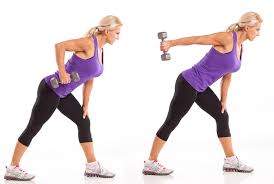
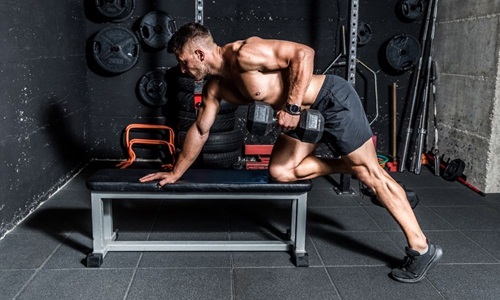
H3: 4. Bent-Over Rows
Builds a strong back and improves posture.
Keep your spine neutral and pull the weight toward your hips.
H2: Lower Body Exercises
H3: 1. Goblet Squats
Hold a dumbbell close to your chest.
Works quads, glutes, and core.
H3: 2. Dumbbell Deadlifts
Targets hamstrings, glutes, lower back.
Keep core tight and push hips back.
H3: 3. Lunges
Builds leg strength and balance.
Keep front knee aligned with toes.
H3: 4. Glute Bridges
Strengthens glutes and reduces lower back pain.
H2: Core Exercises
H3: 1. Dumbbell Russian Twists
Great for obliques and core rotation strength.
H3: 2. Plank
A classic full-body core exercise.
H3: 3. Weighted Sit-Ups
Add a light dumbbell for extra challenge.
H2: A Complete Beginner-Friendly Home Weightlifting Routine
Do this routine 3 times a week with at least one rest day in between.
H3: Full-Body Workout (30 Minutes)
Warm-Up – 5 Minutes
Circuit (Repeat 3 Times):
- Goblet Squat – 12 reps
- Dumbbell Deadlift – 12 reps
- Shoulder Press – 10 reps
- Bent-Over Row – 10 reps
- Lunges – 10 reps each leg
- Bicep Curls – 12 reps
- Tricep Extensions – 12 reps
- Plank – 30 seconds
Cool Down – 3 Minutes
This routine builds muscle strength, burns calories, and improves mobility.
H2: Weekly Training Plan for Beginners
H3: Week 1–4 Simple Plan
Day 1: Full-body workout
Day 2: Light stretching or walking
Day 3: Full-body workout
Day 4: Rest
Day 5: Full-body workout
Day 6: Optional light cardio
Day 7: Rest
This structure supports muscle growth and prevents overtraining.
H2: Common Beginner Mistakes to Avoid
H3: Lifting Too Heavy Too Soon
Start with manageable weights to prevent injuries.
H3: Ignoring Form
Poor form puts pressure on joints and muscles.
H3: Skipping Warm-Ups or Cool-Downs
Leads to tighter muscles and soreness.
H3: Training Every Day
Your muscles need rest to grow.
H3: No Progress Tracking
Record weights, reps, and sets to stay consistent.
H2: Nutrition Tips for Better Results
H3: Eat Enough Protein
Helps repair and build muscle.
Good sources: chicken, eggs, beans, tofu, Greek yogurt.
H3: Stay Hydrated
Lifting causes dehydration, so drink water throughout the day.
H3: Balanced Meals
Include lean proteins, whole grains, fruits, vegetables, and healthy fats.
H3: Post-Workout Snack
Combine protein + carbs:
- Smoothie
- Greek yogurt + fruit
- Peanut butter sandwich
H2: Safety Tips for Home Weightlifting
H3: Use Controlled Movements
Never swing or rush the motion.
H3: Keep Your Core Engaged
Protects your lower back.
H3: Stop if You Feel Sharp Pain
Discomfort is normal; sharp pain is not.
H3: Choose Safe Workout Space
Clear the area to avoid slipping or hitting objects.
H2: Internal Linking Suggestions for Your Website (dailyhealthportal.com)
You can internally link this article to:
- “Best Healthy Foods for Muscle Recovery”
- “Top Home Workout Mistakes Beginners Make”
- “How to Create a Balanced Weekly Workout Plan”
- “Benefits of Strength Training for Weight Loss”
These pages support natural SEO flow and improve user engagement.
H2: FAQs – Beginner Weightlifting at Home
H3: 1. What equipment do I need to start weightlifting at home?
You can begin with simple tools like dumbbells or resistance bands. Beginners don’t need heavy or expensive machines. Start with light weights, focus on form, and upgrade equipment gradually as you get stronger.
H3: 2. How much weight should a beginner lift at home?
Choose a weight that allows you to complete 10–12 reps with good form. If the last two reps feel challenging but possible, the weight is right. Increase gradually as your strength improves.
H3: 3. Can I build muscle with home workouts?
Yes, you can build muscle effectively at home using dumbbells, resistance bands, or bodyweight exercises. Consistency, progressive overload, and proper nutrition play the biggest roles in muscle growth.
H3: 4. How many times a week should beginners lift weights?
Most beginners benefit from 2–3 full-body sessions per week. This gives your muscles enough time to recover while still maintaining consistent progress in strength and endurance.
H3: 5. Is weightlifting safe for complete beginners?
Weightlifting is safe when done with proper form, controlled movements, and appropriate weights. Always warm up, start light, and avoid advanced exercises until you’ve built a foundation.
H3: 6. Do I need a personal coach to start weightlifting at home?
A coach can help, but it’s not required. Beginners can safely start with basic exercises, online tutorials, and structured routines. Just focus on form and gradually progress your weights and reps.
H3: 7. How long does it take to see results from weightlifting at home?
Most beginners notice improvements in 3–6 weeks, including better strength, improved posture, and increased muscle tone. Visible muscle growth may take 8–12 weeks depending on consistency and diet.
H3: 8. Should beginners do cardio with weightlifting?
Light cardio supports heart health and improves stamina. You can safely combine 2–3 weightlifting sessions with 1–2 low-intensity cardio sessions each week for balanced fitness.
H3: 9. What’s the best time of day to lift weights at home?
Any time is fine as long as you’re consistent. Choose a time when you feel energetic. Some prefer mornings for discipline, while others lift better in the afternoon or evening.
H3: 10. Can I lose weight with weightlifting at home?
Absolutely. Weightlifting increases muscle mass, which boosts your metabolism and burns more calories throughout the day. Combine it with balanced nutrition for the best fat-loss results.