Meta Title
How Small Movements Help Reduce Body Pain Naturally | Daily Health Portal
Meta Description
Discover how small movements, gentle exercises, and daily mobility habits can reduce body pain naturally. Learn expert-backed tips to relieve joint pain, muscle stiffness, and chronic discomfort without medication.
Introduction: Why Body Pain Is So Common Today
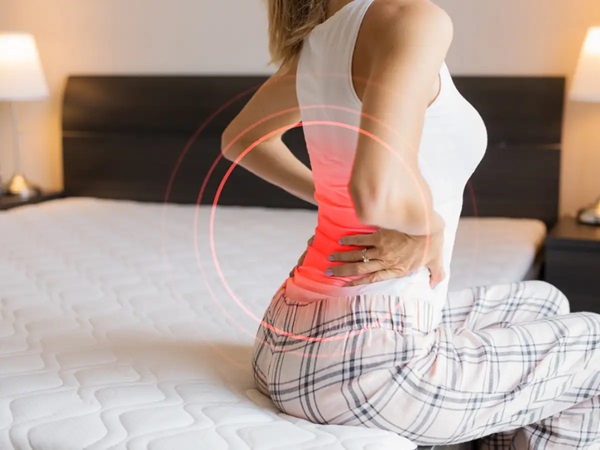
Body pain has become one of the most common health complaints in modern life. Whether it’s neck stiffness, lower back pain, joint discomfort, or muscle tightness, millions of people in the USA and UK experience daily pain due to sedentary lifestyles, long working hours, poor posture, and stress.
Many people believe that rest is the best solution for pain, but research and real-life experience show something different. Small, regular movements can be far more effective than complete rest when it comes to reducing body pain and improving mobility.
This article explains how small movements help reduce body pain, why they work, and how you can easily include them in your daily routine—without intense workouts or gym memberships.
Understanding Body Pain and Stiffness
What Causes Everyday Body Pain?
Body pain doesn’t always come from injury. In most cases, it develops gradually due to:
- Long hours of sitting or standing
- Poor posture while working or using phones
- Weak muscles and stiff joints
- Reduced blood circulation
- Stress and muscle tension
- Lack of regular movement
When the body stays in one position for too long, muscles tighten and joints lose lubrication, leading to discomfort and stiffness.
Why Big Workouts Are Not Always the Answer
Many people avoid exercise because they think it has to be intense or exhausting. This mindset often leads to inactivity, which actually makes pain worse.
The Problem with Overdoing Exercise
- High-impact workouts can worsen joint pain
- Sudden intense activity increases injury risk
- Pain sufferers may feel discouraged quickly
This is where small movements come in as a safe, effective, and sustainable solution.
What Are Small Movements?
Definition of Small Movements
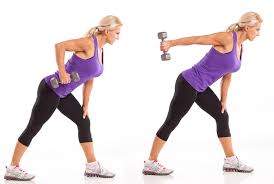
Small movements are gentle, low-impact, controlled motions that keep your body active without strain. These movements are easy to perform and can be done anytime, anywhere.
Examples include:
- Light stretching
- Slow joint rotations
- Short walking breaks
- Desk mobility exercises
- Gentle yoga or mobility drills
These movements may seem minor, but their impact on pain relief is powerful.
How Small Movements Help Reduce Body Pain
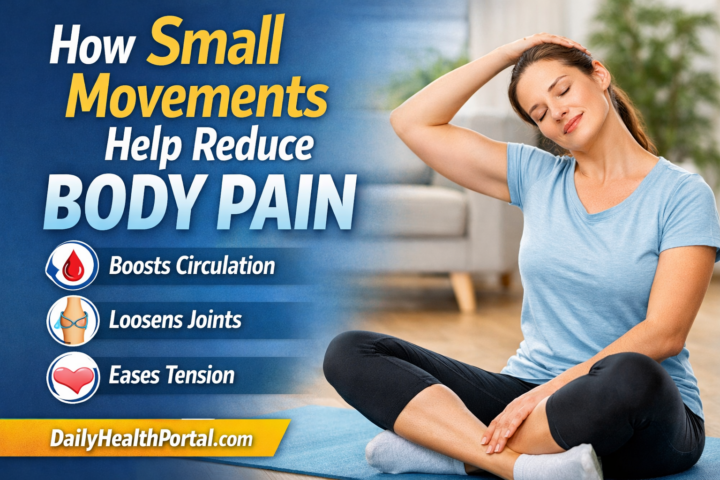
1. Improve Blood Circulation
When you move, even slightly, blood flow increases. This helps:
- Deliver oxygen and nutrients to muscles
- Remove waste products that cause soreness
- Reduce muscle tightness
Better circulation = less pain and stiffness.
2. Keep Joints Lubricated
Joints rely on movement to stay healthy. Small movements help:
- Distribute synovial fluid
- Reduce joint friction
- Improve flexibility
This is especially helpful for people with knee pain, shoulder pain, or arthritis symptoms.
3. Reduce Muscle Tightness
Muscles tighten when they’re not used regularly. Gentle movements help muscles:
- Relax naturally
- Lengthen safely
- Release built-up tension
This is why light stretching often brings immediate relief.
4. Improve Posture Naturally
Poor posture is a major cause of chronic pain. Small movements:
- Activate postural muscles
- Reduce pressure on the spine
- Prevent slouching and stiffness
Over time, better posture means less neck and back pain.
5. Prevent Pain From Getting Worse
Pain often increases when the body becomes inactive. Small movements:
- Prevent stiffness from setting in
- Stop pain from spreading
- Maintain daily mobility
This is why doctors often recommend “keep moving” instead of total rest.
Scientific Support Behind Small Movements
Studies in physical therapy and rehabilitation show that low-intensity movement is one of the most effective ways to manage:
- Chronic back pain
- Joint pain
- Muscle soreness
- Age-related stiffness
Health experts now focus on movement therapy, not just painkillers.
Best Small Movements for Body Pain Relief
1. Gentle Morning Stretching
Morning stiffness is common. Simple stretches can help:
- Neck side bends
- Shoulder rolls
- Standing forward bends
Just 5–10 minutes in the morning can make a big difference.
2. Short Walking Breaks
Walking is one of the most underrated pain-relief tools.
Benefits include:
- Reduced lower back pain
- Improved hip mobility
- Better circulation
Even 5 minutes every hour helps.
3. Desk Mobility Exercises
For people working at desks:
- Seated spinal twists
- Wrist and ankle rotations
- Shoulder blade squeezes
These prevent stiffness caused by long sitting hours.
4. Controlled Breathing With Movement
Breathing deeply while moving helps relax muscles and reduce pain caused by stress.
Try:
- Slow arm raises with inhalation
- Gentle forward bends with exhalation
This combination calms both body and mind.
5. Light Evening Stretching
Before bed, gentle movements help:
- Release daily tension
- Reduce nighttime pain
- Improve sleep quality
Better sleep leads to faster recovery and less pain.
How Often Should You Do Small Movements?
Consistency matters more than intensity.
Recommended approach:
- Move every 30–60 minutes
- Stretch lightly 2–3 times daily
- Walk at least 15–30 minutes per day
These small habits add up to big pain relief results.
Small Movements vs Pain Medication
Painkillers may provide temporary relief, but they don’t fix the root cause.
Benefits of Small Movements Over Medication
- No side effects
- Long-term improvement
- Better mobility and strength
- Improved overall fitness
This makes movement-based pain relief a natural and sustainable option.
Who Can Benefit From Small Movements?
Small movements are suitable for:
- Office workers
- Seniors
- People with chronic pain
- Fitness beginners
- Post-injury recovery patients
They are safe, adaptable, and effective for all ages.
Common Mistakes to Avoid
Even small movements should be done correctly.
Avoid:
- Forcing painful movements
- Ignoring posture
- Moving too fast
- Skipping warm-up
Listen to your body and move gently.
How to Build a Pain-Free Daily Routine
Simple Daily Movement Plan
- Morning: 5–10 minutes of light stretching
- Workday: Short movement breaks every hour
- Evening: Gentle stretches or slow walk
This routine supports long-term pain reduction.
Internal Linking Suggestions (for DailyHealthPortal.com)
- Benefits of Daily Stretching for Joint Health
- Best Low-Impact Exercises for Beginners
- How to Improve Posture Naturally at Home
- Natural Ways to Manage Chronic Pain
Final Thoughts: Small Movements, Big Relief
You don’t need intense workouts to feel better. Small, consistent movements can significantly reduce body pain, improve flexibility, and enhance overall health.
By making movement a natural part of your day, you can prevent stiffness, reduce discomfort, and enjoy a more active, pain-free life—naturally and safely.
FAQs: How Small Movements Help Reduce Body Pain
1. Can small movements really reduce chronic body pain?
Yes, small movements improve circulation, reduce stiffness, and keep joints mobile. Over time, this helps manage chronic pain naturally without stressing the body. Consistency is more important than intensity.
2. How long does it take to see results from small movements?
Many people feel relief within a few days, especially reduced stiffness. Long-term pain improvement usually appears within 2–4 weeks of regular daily movement.
3. Are small movements safe for people with joint pain?
Yes, gentle movements are generally safe and recommended for joint pain. They help lubricate joints and prevent stiffness without adding pressure or strain.
4. Can I do small movements if I don’t exercise regularly?
Absolutely. Small movements are ideal for beginners. They require no fitness background and can be easily done at home or work.
5. Do small movements help with back and neck pain?
Yes, regular gentle movements improve posture, reduce muscle tension, and increase flexibility, which directly helps relieve back and neck pain.
6. Is walking considered a small movement for pain relief?
Yes, walking is one of the best low-impact movements. It supports joint health, improves circulation, and reduces stiffness, especially in the lower back and hips.
7. Should I stop moving if I feel mild pain?
Mild discomfort is normal, but sharp pain should be avoided. Move gently and stay within a comfortable range. If pain persists, consult a healthcare professional.
8. Can small movements replace pain medication completely?
In many cases, regular movement reduces the need for pain medication. However, severe conditions may still require medical advice.