
Meta Title: Why Americans & Brits Struggle With Portion Control – Tips to Eat Smart
Meta Description: Discover why portion control is a challenge for Americans and Brits. Learn practical tips to manage servings, avoid overeating, and stay healthy.
Introduction
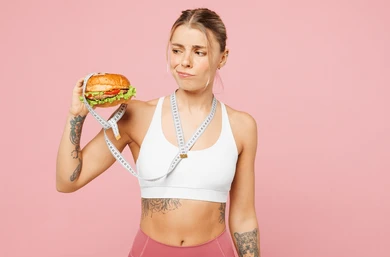
Portion control is one of the biggest challenges for people in the United States and the United Kingdom. Despite knowing what a healthy diet looks like, many individuals struggle with eating the right amount at every meal. Overeating contributes to weight gain, obesity, and chronic health problems such as diabetes, heart disease, and digestive issues.
In this article, we explore the reasons behind portion control struggles, common mistakes, and practical solutions that work for Americans and Brits.
H2: The Psychology Behind Portion Control
Eating is not just a physical act — it is heavily influenced by psychological factors.
H3: Mindless Eating Habits
- Watching TV while eating
- Scrolling on phones during meals
- Eating while working
These habits make it difficult to recognize fullness cues, causing people to eat more than necessary.
H3: Emotional Eating
Stress, boredom, or sadness can trigger overeating. Many Americans and Brits turn to food for comfort, leading to large portions and high-calorie intake.
H3: Visual Cues and Plate Size
Studies show that larger plates make people serve themselves more food. Using a standard dinner plate versus a large platter can drastically reduce overeating.
H2: Cultural and Lifestyle Factors
H3: Restaurant and Fast-Food Portions
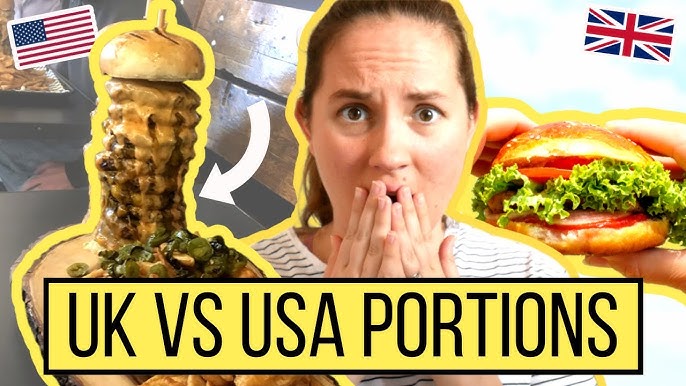
- Restaurants in the USA and UK often serve supersized portions.
- Combo meals and large sides encourage overeating.
- People become accustomed to these larger portions at home.
H3: Busy Lifestyles and Convenience Food
- Americans and Brits often rely on ready-made meals.
- Pre-packaged foods and frozen meals come in larger portions than recommended.
- Eating quickly due to time constraints reduces awareness of satiety.
H2: Nutritional Awareness and Misconceptions
H3: Misjudging Calorie Needs
- Many people underestimate calories in meals.
- Belief that “a little extra won’t hurt” leads to gradual weight gain.
H3: Lack of Label Reading
- Reading serving sizes on packages is uncommon.
- Many packaged foods appear to be one serving but are actually multiple servings.
H2: Health Consequences of Poor Portion Control
- Weight Gain and Obesity – Overeating regularly increases calorie intake, resulting in excess fat storage.
- Digestive Issues – Large meals strain the stomach and can cause bloating, reflux, and discomfort.
- Chronic Diseases – Excess calories and poor portion control increase risk for diabetes, hypertension, and heart disease.
- Psychological Stress – Overeating often leads to guilt and stress, creating a cycle of emotional eating.
H2: Practical Tips to Master Portion Control
H3: Use Smaller Plates and Bowls
Switching to smaller dinnerware tricks your brain into thinking you are eating more, reducing overeating naturally.
H3: Measure Your Portions
- Use measuring cups or a kitchen scale
- Follow recommended serving sizes on nutrition labels
H3: Eat Slowly and Mindfully
- Chew thoroughly
- Put utensils down between bites
- Focus on taste and texture
H3: Plan Your Meals
- Pre-portion snacks into small containers
- Avoid eating straight from the packet
- Prepare balanced meals with protein, fiber, and healthy fats
H3: Reduce Emotional Eating
- Identify triggers (stress, boredom, sadness)
- Replace with healthier alternatives (walking, meditation, herbal tea)
H3: Stay Hydrated
- Drink water before meals
- Sometimes thirst is mistaken for hunger
H3: Educate Yourself on Serving Sizes
- Learn recommended portions for proteins, carbs, and fats
- Use visual cues:
- Protein = size of your palm
- Carbs = fist size
- Fats = thumb size
H2: Internal Linking Suggestions
- Link to articles on:
H2: FAQs (Long-Tail Keyword Optimized)
Q1: What is the easiest way to control portion sizes?
A1: Using smaller plates and measuring servings is the simplest way. Pair this with mindful eating to reduce unconscious overeating.
Q2: Why do Americans and Brits struggle with portion control?
A2: Supersized restaurant meals, busy lifestyles, and emotional eating make it difficult to stick to healthy portions.
Q3: Can portion control help with weight loss?
A3: Yes. Eating appropriate portions reduces calorie intake, making weight loss easier and more sustainable.
Q4: How can I stop emotional eating?
A4: Identify triggers, practice mindfulness, and replace food with healthier coping mechanisms like walking or meditation.
Q5: Are pre-packaged foods bad for portion control?
A5: They can be, as packages often contain multiple servings. Always check labels and portion them before eating.
Q6: How do I measure portions without a scale?
A6: Use your hands as guides: palm for protein, fist for carbs, thumb for fats. Visual cues make portion control easier.
Q7: Does drinking water before meals help with portion control?
A7: Yes. Water fills the stomach slightly, reducing hunger and helping you eat smaller portions naturally.
Q8: How long does it take to master portion control?
A8: With consistent practice and mindful eating, most people see improvement within 2–4 weeks.
Conclusion
Portion control is a challenge for many Americans and Brits, but it is manageable with awareness, planning, and mindfulness. By understanding psychological, cultural, and lifestyle factors, and applying practical tips, individuals can enjoy meals without overeating. Consistent practice leads to healthier weight, better digestion, and overall well-being.