

Meta Title
The Impact of Long Commute Times on Health & Daily Fitness
Meta Description
Explore how long commute times affect physical health, mental well-being, stress levels, fitness, sleep, and lifestyle habits. Learn practical tips to reduce health risks caused by daily commuting.
Introduction: Why Commute Time Matters More Than Ever
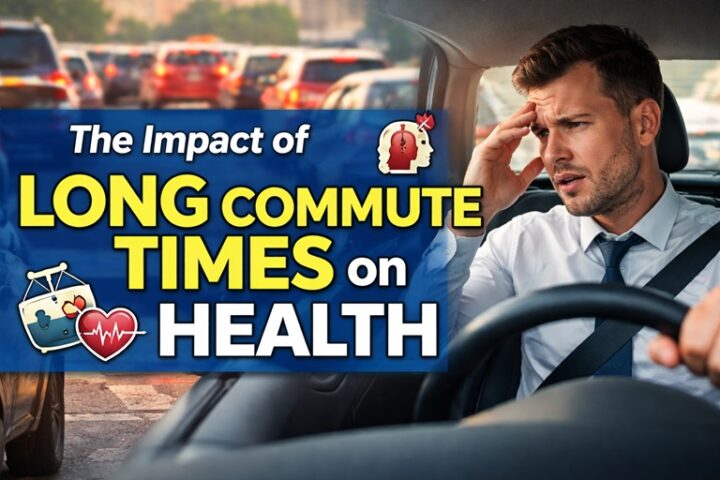
In modern life, long commute times have become a routine part of work culture, especially in urban areas across the USA and UK. Many people spend one to three hours daily traveling to and from work, often under stressful conditions.
While commuting may seem harmless, research and real-life experience show that long commute times can significantly impact physical health, mental well-being, fitness levels, and overall quality of life. Over time, these effects can accumulate, leading to chronic health problems.
Understanding the impact of long commute times on health is essential for making informed lifestyle choices and protecting long-term wellness.
What Is Considered a Long Commute?
A long commute is generally defined as traveling more than 60 minutes per day for work or daily responsibilities.
Common Types of Long Commutes
- Driving in heavy traffic
- Public transportation with multiple transfers
- Long-distance train or bus travel
- Mixed commuting (car + public transport)
Each type presents unique challenges, but all can negatively influence health when experienced daily.
How Long Commutes Affect Physical Health
Increased Sedentary Behavior
Long commute times often involve prolonged sitting, which contributes to:
- Poor posture
- Muscle stiffness
- Back and neck pain
- Reduced calorie burn
Extended sitting is linked to higher risks of obesity, heart disease, and metabolic disorders.
Weight Gain and Reduced Fitness
People with long commutes often struggle to maintain regular exercise routines due to limited time and energy. This can lead to:
- Gradual weight gain
- Reduced muscle mass
- Lower cardiovascular fitness
Physical inactivity combined with stress further worsens health outcomes.
Impact on Mental Health and Stress Levels
Chronic Stress and Anxiety
Traffic congestion, delays, and overcrowded transport increase daily stress. Chronic commuting stress can lead to:
- Anxiety
- Irritability
- Burnout
- Reduced job satisfaction
Stress hormones like cortisol remain elevated, negatively affecting both mental and physical health.
Mood and Emotional Well-Being
Long commutes reduce personal time, limiting opportunities for relaxation, hobbies, and social interaction. Over time, this can cause:
- Low mood
- Emotional exhaustion
- Reduced motivation
Mental well-being is closely tied to daily routines, including commute experiences.
Long Commute Times and Sleep Quality
Reduced Sleep Duration
Early departures and late returns shorten sleep time. Consistent sleep deprivation increases the risk of:
- Fatigue
- Poor concentration
- Weakened immunity
Disrupted Sleep Patterns
Stress from commuting can make it harder to fall asleep, affecting sleep quality and recovery.
Poor sleep directly impacts fitness performance, metabolism, and mental clarity.
Effects on Heart Health
Increased Cardiovascular Risk
Studies associate long commute times with higher risks of:
- High blood pressure
- Heart disease
- Stroke
Stress, inactivity, and poor lifestyle habits contribute to cardiovascular strain.
Elevated Blood Pressure
Daily commuting stress can cause frequent blood pressure spikes, increasing long-term heart health risks.
Impact on Eating Habits and Nutrition
Reliance on Processed Foods
People with long commutes often choose convenience foods due to time constraints, such as:
- Fast food
- Sugary snacks
- Processed meals
These foods contribute to inflammation, weight gain, and poor energy levels.
Irregular Meal Timing
Skipping meals or eating late disrupts digestion and metabolism, affecting overall health and fitness.
Long Commutes and Reduced Physical Activity
Less Time for Exercise
After long travel hours, many individuals feel too tired to exercise, leading to inconsistent fitness routines.
Decreased Daily Movement
Commuting reduces opportunities for walking, stretching, and active breaks, increasing sedentary time.
Impact on Family Life and Social Health
Long commute times reduce time spent with family and friends, affecting:
- Emotional connection
- Relationship quality
- Work-life balance
Social isolation can further impact mental health and motivation for healthy habits.
Productivity and Cognitive Performance
Reduced Focus and Efficiency
Mental fatigue from commuting affects:
- Decision-making
- Creativity
- Concentration
Lower productivity can increase work stress, creating a negative cycle.
Health Risks Associated with Long Commutes
Over time, long commute times are linked to:
- Obesity
- Type 2 diabetes
- Depression
- Chronic fatigue
- Musculoskeletal pain
These risks highlight the importance of managing commute-related stress.
Practical Ways to Reduce the Health Impact of Long Commutes
Make Commutes More Active
- Walk or cycle part of the route
- Use stairs when possible
- Stretch during breaks
Improve Posture and Ergonomics
- Adjust car seats properly
- Use lumbar support
- Avoid slouching
Use Commute Time Mindfully
- Listen to audiobooks or podcasts
- Practice deep breathing
- Avoid stressful news
Prioritize Fitness and Nutrition
- Schedule short workouts
- Prepare healthy meals in advance
- Stay hydrated
Small changes can significantly reduce negative health effects.
Flexible Work and Remote Options
Benefits of Reduced Commute Time
- More sleep
- Increased exercise time
- Better mental health
- Improved work-life balance
Remote or hybrid work models offer long-term health advantages when available.
Internal Linking Suggestions (for DailyHealthPortal.com)
- Link to: “Sedentary Lifestyle and Its Health Risks”
- Link to: “Stress Management for Modern Living”
- Link to: “Simple Fitness Habits for Busy Professionals”
These internal links strengthen SEO structure and user engagement.
Conclusion: Protecting Health in a Commute-Heavy World
Long commute times are more than an inconvenience—they are a significant health factor. From physical inactivity and stress to sleep disruption and poor nutrition, daily travel can silently affect overall well-being.
By understanding these impacts and adopting practical strategies, individuals can protect their physical health, mental fitness, and quality of life, even with demanding commute schedules.
Frequently Asked Questions (FAQs)
1. How do long commute times affect overall health?
Long commute times increase stress, reduce physical activity, disrupt sleep, and negatively impact mental and cardiovascular health over time.
2. Can commuting cause weight gain?
Yes, long commutes often reduce exercise time and encourage unhealthy eating habits, contributing to gradual weight gain.
3. Is driving worse than public transport for health?
Driving often involves longer sedentary time and higher stress, while public transport may include walking but can still cause stress due to overcrowding.
4. How much commute time is considered unhealthy?
Commutes exceeding one hour per day are generally associated with increased health risks, especially when combined with inactivity and stress.
5. Can long commutes affect mental health?
Yes, long commutes are linked to anxiety, burnout, mood changes, and reduced life satisfaction.
6. How can I stay healthy with a long commute?
Staying active, managing stress, improving sleep, eating healthy meals, and using commute time mindfully can reduce health risks.
7. Does remote work improve health?
Remote work can significantly improve sleep, fitness, and mental well-being by reducing commute-related stress and time loss.