
Meta Title
The Role of Grip Strength in Overall Health & Longevity
Meta Description
Learn why grip strength is a key marker of overall health, fitness, aging, and disease risk. Discover benefits, causes of weak grip, and practical exercises to improve grip strength naturally.
Introduction: Why Grip Strength Deserves More Attention
Grip strength is often overlooked in fitness discussions, yet it is one of the strongest indicators of overall health and physical function. From opening jars to lifting weights, grip strength plays a crucial role in daily life.
Research increasingly shows that grip strength is linked not only to muscle power, but also to heart health, metabolic fitness, mobility, and longevity. Weak grip strength has been associated with higher risks of chronic disease, injury, and reduced quality of life.
Understanding the role of grip strength in overall health can help individuals improve fitness, independence, and long-term wellness.
What Is Grip Strength?
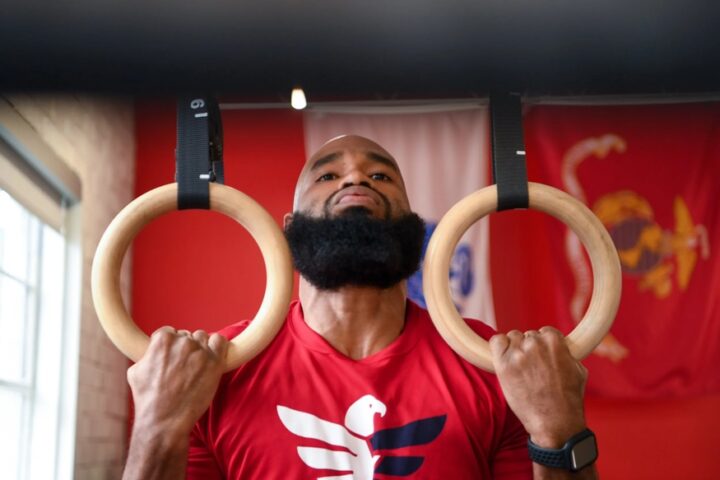
Grip strength refers to the force generated by the hand and forearm muscles when gripping or squeezing an object. It involves multiple muscle groups, including:
- Forearm flexors and extensors
- Hand muscles
- Wrist stabilizers
- Nervous system coordination
Grip strength reflects overall muscular health, making it a valuable measure in both fitness and medical settings.
Why Grip Strength Is a Key Health Indicator
A Measure of Total Body Strength
Grip strength correlates strongly with overall muscle mass and strength. People with stronger grips tend to have:
- Better physical performance
- Higher endurance
- Improved balance and coordination
It is often used as a quick screening tool for general fitness.
Predictor of Longevity
Studies suggest that lower grip strength is associated with:
- Higher mortality risk
- Increased frailty
- Reduced functional independence
Grip strength can indicate how well the body is aging.
Grip Strength and Heart Health
Cardiovascular Disease Risk
Weak grip strength has been linked to higher risks of:
- Heart disease
- Stroke
- High blood pressure
This connection exists because muscle weakness often reflects poor metabolic and cardiovascular health.
Circulation and Blood Flow
Stronger muscles improve blood circulation and oxygen delivery, supporting heart efficiency and endurance.
Grip Strength and Metabolic Health
Blood Sugar Regulation
Muscle tissue plays a major role in glucose uptake. Reduced muscle strength can impair blood sugar control, increasing the risk of:
- Insulin resistance
- Type 2 diabetes
- Weight gain
Improving grip strength often goes hand-in-hand with better metabolic fitness.
The Impact of Grip Strength on Daily Function
Independence and Mobility
Grip strength affects everyday activities such as:
- Carrying groceries
- Opening containers
- Using tools
- Maintaining balance
Weak grip strength may lead to dependency and reduced confidence with age.
Injury Prevention
Strong grip and forearm muscles stabilize the wrists and elbows, reducing the risk of strains, falls, and joint injuries.
Grip Strength and Aging
Muscle Loss With Age
As people age, they naturally lose muscle mass, a condition known as sarcopenia. Grip strength often declines first, making it an early warning sign.
Quality of Life in Older Adults
Maintaining grip strength helps older adults:
- Stay active
- Avoid falls
- Preserve independence
- Improve bone density
Regular grip training can slow age-related physical decline.
Causes of Weak Grip Strength
Several lifestyle and health factors contribute to reduced grip strength.
Common Causes Include
- Sedentary lifestyle
- Poor nutrition
- Muscle loss
- Nerve damage
- Chronic inflammation
- Overuse of digital devices
Addressing these factors can significantly improve hand strength and overall health.
Grip Strength and Mental Health
Physical strength is closely linked to mental well-being.
Confidence and Motivation
Improved physical strength increases confidence and encourages consistent fitness habits.
Brain-Body Connection
Resistance training, including grip exercises, supports brain health by improving blood flow and reducing stress hormones.
How to Measure Grip Strength
Hand Dynamometer
The most accurate method uses a hand dynamometer, commonly used in medical and fitness assessments.
Simple Self-Tests
- Holding heavy objects
- Hanging from a bar
- Farmer’s carries
Difficulty with these tasks may indicate weak grip strength.
How to Improve Grip Strength Naturally
Effective Grip Strength Exercises
- Farmer’s carries
- Dead hangs
- Hand grippers
- Wrist curls
- Towel pull-ups
These exercises strengthen hands, wrists, and forearms.
Daily Habits That Help
- Carry groceries with one hand
- Squeeze stress balls
- Use thicker handles
- Avoid prolonged inactivity
Consistency is key for noticeable improvement.
Nutrition and Grip Strength
Protein Intake
Adequate protein supports muscle repair and strength development.
Micronutrients
Nutrients like magnesium, vitamin D, and calcium support muscle function and nerve health.
A balanced diet enhances strength gains and recovery.
Grip Strength in Athletes and Fitness Enthusiasts
Grip strength directly affects performance in:
- Weightlifting
- Rock climbing
- Cross-training
- Functional fitness
Improved grip allows better load handling and reduced injury risk.
Grip Strength and Chronic Disease Prevention
Maintaining muscular strength helps reduce the risk of:
- Osteoporosis
- Arthritis
- Cardiovascular disease
- Metabolic disorders
Grip strength training contributes to long-term disease prevention.
Internal Linking Suggestions (for DailyHealthPortal.com)
- Link to: “Strength Training for Overall Fitness”
- Link to: “Muscle Loss and Aging Explained”
- Link to: “Heart Health and Physical Activity”
These links improve SEO authority and user retention.
Conclusion: Small Strength, Big Health Benefits
Grip strength may seem minor, but it plays a powerful role in overall health. From predicting longevity to improving daily function and fitness performance, strong hands reflect a strong body.
By incorporating simple grip exercises and maintaining an active lifestyle, individuals can enhance physical strength, metabolic health, and quality of life at any age.
Frequently Asked Questions (FAQs)
1. Why is grip strength important for overall health?
Grip strength reflects total body muscle health and is linked to heart health, metabolic fitness, aging, and longevity, making it a valuable health indicator.
2. Can weak grip strength indicate health problems?
Yes, weak grip strength may signal muscle loss, poor cardiovascular health, nerve issues, or increased risk of chronic disease.
3. How often should grip strength be trained?
Grip exercises can be performed 2–4 times per week, allowing adequate recovery while steadily improving strength.
4. Does grip strength decline with age?
Grip strength naturally declines with age, but regular strength training and proper nutrition can slow this process significantly.
5. Can grip strength improve daily life?
Yes, stronger grip improves functional tasks, reduces injury risk, and enhances independence and confidence.
6. Is grip strength linked to heart health?
Research shows a strong connection between grip strength and cardiovascular health, with weaker grip linked to higher heart disease risk.
7. What is the fastest way to improve grip strength?
Consistent resistance exercises like farmer’s carries, dead hangs, and hand grippers combined with proper nutrition yield the fastest results.