
Meta Title: The Physical Effects of Loneliness in the USA & UK
Meta Description: Loneliness is rising across the USA and UK — and it affects more than mental health. Learn the physical symptoms, long-term risks, and science behind how loneliness harms the body.
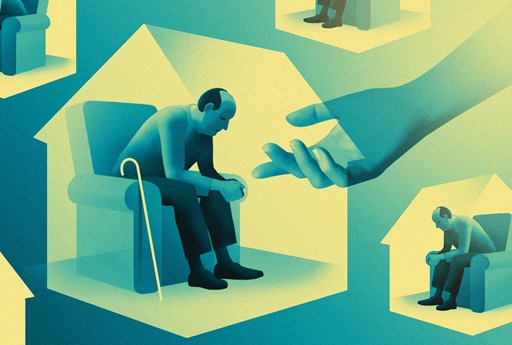
Loneliness has become a major public health issue across the United States and United Kingdom. Despite being more digitally connected than ever, millions of people in both countries report feeling socially isolated. The impact goes far beyond emotional discomfort — loneliness directly affects physical health, increasing risks of chronic illness, inflammation, heart disease, and overall early mortality.
This article explores how loneliness affects the body, why it has become so widespread in Western nations, and the science-backed ways to reduce its long-term impact.

H2: Understanding Loneliness as a Physical Stressor
Loneliness is not simply the absence of social connections — it is a biological stress signal. When the brain perceives isolation, it triggers:
- Stress hormones
- Inflammation
- Sleep disruption
- Heightened threat response
The body behaves as if it’s under physical danger, even when no danger exists. Over time, this chronic stress leads to measurable changes in physical health.
H2: Why Loneliness Is Increasing in the USA & UK
Several social and cultural factors contribute to rising loneliness:
H3: 1. Urban Living and Individualistic Culture
Major cities like New York, London, Los Angeles, and Manchester are highly populated but socially disconnected.
People live close together physically, but not socially. Individualistic culture increases:
- Independent lifestyles
- Limited community interaction
- Reduced family connection
H3: 2. Remote Work and Digital Dependence
The shift to remote work has reduced in-person interactions.
While digital communication is convenient, it does not activate the same bonding hormones as real-life social contact.
H3: 3. Increased Mobility and Urban Migration
People relocate frequently for jobs or education, making long-term friendships harder to maintain.
H3: 4. Social Media Illusion
Social media creates a false sense of belonging.
People see constant updates yet lack meaningful, supportive relationships.
H3: 5. Aging Populations in the UK & USA
Elderly individuals often live alone, leading to isolation and reduced daily interaction.
H3: 6. Rising Mental Health Pressures
Anxiety, depression, and stress reduce motivation for social engagement, creating a cycle of loneliness.
H2: Physical Effects of Loneliness on the Human Body
Loneliness impacts multiple body systems. Below are the most documented physical consequences.
H3: 1. Increased Stress Hormones (Cortisol)
Lonely individuals produce higher levels of cortisol, the stress hormone.
High cortisol causes:
- Fatigue
- High blood pressure
- Weight gain
- Headaches
- Lower immunity
Chronic cortisol imbalance affects long-term health significantly.
H3: 2. Weakened Immune System
Loneliness reduces the body’s ability to fight infections.
Studies show people experiencing chronic loneliness:
- Catch colds more frequently
- Recover slower
- Have higher inflammation levels
This makes them more vulnerable to seasonal illnesses and chronic diseases.
H3: 3. Poor Cardiovascular Health
Loneliness is linked to:
- High blood pressure
- Elevated heart rate
- Arterial stiffness
- Higher risk of heart attacks and strokes
The American Heart Association recognizes loneliness as a serious cardiovascular risk factor.
H3: 4. Sleep Disturbances
Lonely individuals often experience:
- Light, broken sleep
- Difficulty falling asleep
- Early waking
- Lower sleep quality
Poor sleep affects mood, metabolism, and heart health.
H3: 5. Higher Inflammation Levels
Inflammation is the body’s response to stress.
Chronic loneliness increases inflammatory markers such as:
- IL-6
- CRP (C-reactive protein)
- TNF-alpha
High inflammation is linked to diabetes, arthritis, heart disease, and autoimmune disorders.
H3: 6. Increased Risk of Obesity
Loneliness disrupts:
- Appetite regulation
- Stress eating
- Hormones such as ghrelin and leptin
People may crave high-calorie foods or eat irregularly, leading to weight gain.
H3: 7. Reduced Physical Activity
Lonely individuals tend to:
- Stay indoors
- Avoid gyms
- Lack motivation to exercise
- Develop sedentary habits
Inactivity increases the risk of chronic disease and reduces muscle strength over time.
H3: 8. Digestive Problems
Stress from loneliness affects the gut-brain axis, leading to:
- Bloating
- Constipation
- Indigestion
- IBS-like symptoms
Poor digestion further impacts overall energy and mental clarity.
H3: 9. Faster Biological Aging
Loneliness accelerates cellular aging through:
- Telomere shortening
- Oxidative stress
- Hormonal imbalance
This makes the body age biologically faster than its chronological age.
H3: 10. Increased Mortality Risk
Multiple long-term studies have shown that chronic loneliness increases the risk of early death by up to 26%.
It is considered as harmful as:
- Smoking 15 cigarettes a day
- Alcohol abuse
- Obesity
Loneliness is now recognized as a major public health epidemic.
H2: How Loneliness Manifests Physically (Daily-Life Symptoms)
Many symptoms are subtle at first:
- Chronic fatigue
- Muscle tension
- Low appetite
- Headaches
- Increased colds
- Back or joint pain
- Low energy
- High stress levels
Most people don’t realize these symptoms are connected to loneliness.
H2: Groups Most Affected in USA & UK
Loneliness affects all ages, but certain groups are more vulnerable:
- Elderly living alone
- College students living away from home
- Remote workers
- Immigrants and expats
- Single parents
- Urban residents
- People with chronic illness
- Caregivers
Each group experiences social disconnection in different ways.
H2: Science-Backed Ways to Reduce the Physical Effects of Loneliness
H3: 1. Build Micro-Connections
Small interactions matter:
- Talk to neighbors
- Greet coworkers
- Chat with baristas
- Join local events
Even brief moments of connection lower stress hormones.
H3: 2. Increase Physical Activity
Exercise triggers dopamine, serotonin, and endorphins — all of which reduce loneliness-related stress.
H3: 3. Volunteer or Join Groups
Community involvement rebuilds purpose and belonging.
H3: 4. Limit Passive Screen Time
Social media should be used intentionally, not emotionally.
H3: 5. Adopt a Pet
Pets reduce stress, improve routine, and create emotional companionship.
H3: 6. Practice Mindfulness and Stress Reduction
Meditation lowers cortisol and promotes emotional balance.
H3: 7. Strengthen Existing Relationships
Call, message, or meet people you already know. Regular contact increases bonding hormones.
H2: Internal Linking Suggestions for dailyhealthportal.com
You can link this article to:
- “How Stress Affects the Body”
- “Why Good Sleep Is Essential for Heart Health”
- “The Physical Effects of Anxiety on the Body”
- “Simple Ways to Improve Mental Wellbeing Daily”
H2: FAQs About Loneliness and Physical Health
H3: 1. Is loneliness a physical or mental issue?
Both. Loneliness triggers stress responses that affect physical health immediately.
H3: 2. Can loneliness really weaken the immune system?
Yes. Chronic loneliness increases inflammation and reduces the body’s ability to fight infections.
H3: 3. Why is loneliness worse in cities?
Urban areas have less community bonding, more isolated living arrangements, and fast-paced lifestyles.
H3: 4. Does loneliness affect sleep?
Absolutely. It increases nighttime alertness, leading to light and interrupted sleep.
H3: 5. How can adults reduce loneliness?
Join social groups, engage in community activities, exercise regularly, stay connected with friends, and reduce digital isolation.
H3: 6. Is loneliness more common in the USA or UK?
Both countries face high loneliness rates, especially among older adults and young professionals.
H3: 7. Can loneliness really shorten lifespan?
Yes. Long-term loneliness increases mortality risk similarly to smoking or obesity.