

Stress has become a constant part of modern life. From work pressure and financial worries to relationship issues and poor sleep, stress quietly affects both mental and physical health. One of the most common but misunderstood effects of chronic stress is body pain and persistent weakness.
Many people experience muscle aches, joint stiffness, fatigue, headaches, and low energy, yet medical tests often show nothing serious. This leads to confusion and frustration. The real cause, in many cases, is stress-related physical dysfunction.
In this article, we will clearly explain why stress causes body pain and weakness, how it affects your nervous system and muscles, and what you can do to recover naturally and safely.
Meta Title
Why Stress Causes Body Pain and Weakness | Health & Fitness Guide
Meta Description
Learn how stress causes body pain, muscle weakness, fatigue, and low energy. Discover symptoms, science-backed reasons, and practical solutions to recover naturally.
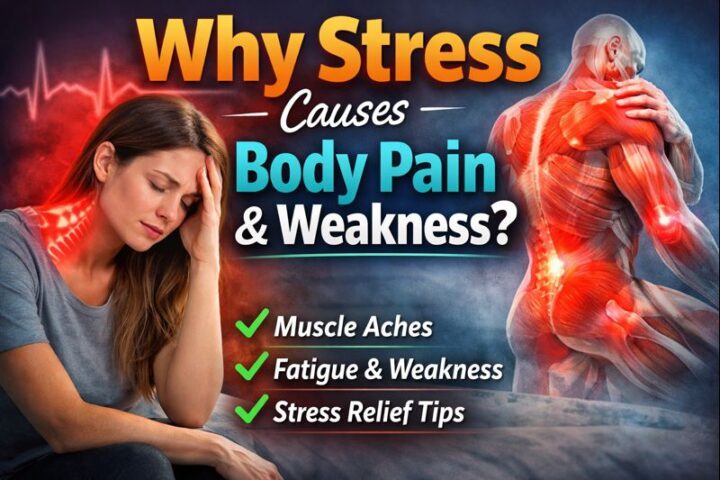
Understanding Stress and the Body Connection
Stress is not just a mental issue. It is a whole-body response designed for survival. When your brain senses danger, it activates the fight-or-flight response, releasing stress hormones like cortisol and adrenaline.
Acute Stress vs Chronic Stress
- Acute stress is short-term and temporary
- Chronic stress lasts for weeks, months, or even years
While short-term stress can be helpful, long-term stress damages the body, leading to pain, weakness, and exhaustion.
How Stress Affects the Nervous System
The nervous system controls muscles, organs, energy levels, and pain perception. Chronic stress keeps the nervous system in a constant alert state, which causes imbalance.
Sympathetic Nervous System Overload
Under stress:
- Muscles remain constantly tight
- Blood flow is redirected away from muscles
- Pain signals become more sensitive
This leads to:
- Muscle soreness
- Body stiffness
- Nerve-related pain
- General weakness
Why Stress Causes Muscle Pain
Muscle pain is one of the most common physical symptoms of stress.
Constant Muscle Tension
When stressed, your body unconsciously tightens muscles, especially:
- Neck
- Shoulders
- Lower back
- Jaw
Over time, this tension:
- Reduces oxygen supply
- Causes lactic acid buildup
- Triggers inflammation
Result: Aching muscles and chronic body pain.
Stress and Inflammation: The Hidden Link
Chronic stress increases systemic inflammation, which plays a major role in pain and weakness.
Cortisol Imbalance
- Short-term cortisol reduces inflammation
- Long-term cortisol increases inflammation
This can cause:
- Joint pain
- Muscle soreness
- Body heaviness
- Slow recovery after physical activity
Inflammation also affects how the brain processes pain, making minor discomfort feel severe.
Why Stress Causes Extreme Fatigue and Weakness
Feeling weak under stress is not laziness—it is biological exhaustion.
Energy Drain from Stress Hormones
Stress forces the body to:
- Burn more glucose
- Consume more nutrients
- Stay in survival mode
Over time, this leads to:
- Low energy levels
- Muscle weakness
- Heavy arms and legs
- Difficulty concentrating
Stress Disrupts Sleep, Making Pain Worse
Sleep is essential for muscle repair and nervous system recovery. Stress disrupts sleep quality in several ways.
Poor Sleep Effects
- Reduced muscle healing
- Increased pain sensitivity
- Lower testosterone and growth hormone
- Persistent tiredness
Even 7–8 hours of poor-quality sleep can cause body pain and weakness.
Stress and Vitamin & Mineral Deficiencies
Chronic stress depletes essential nutrients needed for muscle strength and nerve function.
Common Stress-Related Deficiencies
- Magnesium – muscle cramps and weakness
- Vitamin B12 – nerve pain and fatigue
- Vitamin D – muscle pain and low strength
- Iron – weakness and breathlessness
Stress reduces absorption and increases nutrient loss through sweat and urine.
How Stress Affects Blood Circulation
Under stress, blood flow is prioritized for survival organs, not muscles.
Poor Circulation Symptoms
- Cold hands and feet
- Muscle stiffness
- Weak grip strength
- Slow muscle recovery
Reduced circulation means less oxygen and nutrients, increasing pain and fatigue.
Stress Weakens the Immune System
A stressed body struggles to repair itself.
Effects on Muscle and Joint Health
- Slower tissue healing
- Increased soreness
- Higher risk of inflammation-related pain
This explains why stressed individuals feel constantly sore without heavy exercise.
Psychological Stress and Pain Perception
Stress changes how the brain processes pain signals.
Heightened Pain Sensitivity
- Stress lowers pain tolerance
- Brain amplifies discomfort signals
- Minor aches feel intense
This condition is often seen in:
- Fibromyalgia
- Chronic fatigue syndrome
- Stress-induced body pain
Common Stress-Related Pain Patterns
Stress pain follows predictable patterns:
- Neck and shoulder tightness
- Lower back pain
- Headaches and migraines
- Full-body heaviness
- Weak legs or arms
These pains often disappear during vacations or relaxed periods, confirming stress as the root cause.
How Long-Term Stress Leads to Physical Burnout
When stress continues without recovery, the body enters burnout mode.
Burnout Symptoms
- Constant weakness
- Body aches without cause
- Mental exhaustion
- Loss of motivation
- Poor physical performance
Burnout is a medical condition, not just emotional tiredness.
Practical Ways to Reduce Stress-Related Body Pain
1. Gentle Physical Activity
- Walking
- Stretching
- Yoga
- Light strength training
Movement improves circulation and relaxes muscles.
2. Stress-Reducing Breathing Techniques
- Deep belly breathing
- Box breathing
- Slow nasal breathing
These calm the nervous system and reduce pain.
3. Improve Sleep Quality
- Fixed sleep schedule
- No screens before bed
- Dark, cool bedroom
Quality sleep reduces inflammation and weakness.
4. Anti-Inflammatory Diet
Include:
- Leafy greens
- Fatty fish
- Nuts and seeds
- Fruits rich in antioxidants
Avoid:
- Processed foods
- Excess sugar
- Too much caffeine
Mental Fitness: The Missing Piece of Physical Health
Stress management is essential for physical strength.
Effective Stress Management Tools
- Meditation
- Journaling
- Nature walks
- Limiting screen time
- Setting boundaries
A calm mind leads to a stronger, pain-free body.
When to See a Doctor
Although stress causes many symptoms, seek medical advice if you experience:
- Sudden severe weakness
- Unexplained weight loss
- Persistent numbness
- Chest pain
Rule out medical conditions before assuming stress.
FAQs: Stress, Body Pain, and Weakness
1. Can stress really cause full-body pain?
Yes, chronic stress increases muscle tension, inflammation, and pain sensitivity. This can cause widespread body pain even without physical injury or heavy exercise.
2. Why do my muscles feel weak when I’m stressed?
Stress drains energy, disrupts sleep, and depletes nutrients. This combination reduces muscle strength and causes feelings of heaviness and fatigue.
3. Can stress-related pain feel like a serious illness?
Yes, stress pain can mimic arthritis, nerve pain, or chronic fatigue. Medical tests often appear normal, which confirms stress as the underlying cause.
4. How long does stress-related body pain last?
It depends on stress levels and recovery. With proper stress management, pain can improve within weeks. Chronic stress may take longer to reverse.
5. Can exercise worsen stress-related pain?
Intense exercise can worsen pain, but gentle movement like walking and stretching usually reduces stress-related muscle stiffness and weakness.
6. Does anxiety cause physical weakness?
Yes, anxiety keeps the nervous system overactive, leading to muscle fatigue, shaky limbs, and low physical endurance.
7. What vitamins help with stress-related pain?
Magnesium, vitamin B-complex, vitamin D, and omega-3 fatty acids support muscle relaxation, nerve health, and energy levels.
Final Thoughts
Stress is not just “in your head.” It directly affects muscles, nerves, hormones, and energy systems. Body pain and weakness are real physical consequences of chronic stress, not imagination or laziness.
By improving stress management, sleep, nutrition, and gentle physical activity, you can restore strength, reduce pain, and improve overall health.
Your body heals when your mind feels safe.