
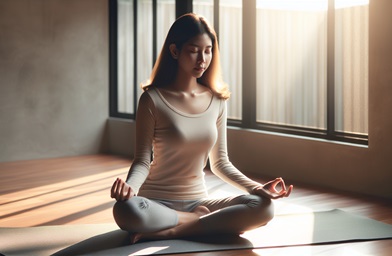
Meta Title: Simple Ways to Calm the Mind at Home | Natural Stress Relief Tips
Meta Description: Discover simple, proven ways to calm the mind at home. Learn natural techniques to reduce stress, anxiety, and mental fatigue for better health and fitness.
Introduction: Why Calming the Mind Matters More Than Ever
In today’s fast-paced world, mental stress has quietly become a part of everyday life. Long working hours, constant screen exposure, financial pressure, and lack of proper rest can overload the brain. Over time, this mental pressure affects sleep, digestion, immunity, productivity, and emotional health.
The good news is that you don’t need expensive therapy sessions or complicated routines to relax your mind. There are simple, effective, and science-backed ways to calm the mind at home. These methods are easy to follow, safe, and suitable for people of all ages.
This article will guide you through practical, natural, and proven techniques to reduce mental stress, improve focus, and restore emotional balance—right from the comfort of your home.

Understanding Mental Stress and Its Impact on Health
Mental stress is not just “feeling worried.” It directly affects the body and overall fitness.
Common Signs of an Overactive Mind
- Constant overthinking
- Difficulty sleeping
- Irritability or mood swings
- Headaches or muscle tension
- Lack of focus and motivation
- Feeling tired even after rest
When the mind is not calm, the body stays in fight-or-flight mode, increasing cortisol (stress hormone) levels. Over time, this may lead to anxiety, high blood pressure, poor digestion, and weakened immunity.
1. Practice Deep Breathing for Instant Mental Calm
One of the fastest ways to calm the mind at home is deep breathing.
Why Deep Breathing Works
Deep breathing sends a signal to the brain that you are safe. This activates the parasympathetic nervous system, which slows the heart rate and relaxes the body.
Simple Deep Breathing Technique
- Sit comfortably or lie down
- Inhale slowly through your nose for 4 seconds
- Hold the breath for 2 seconds
- Exhale gently through your mouth for 6 seconds
- Repeat for 5–10 minutes
Tip: Practicing this twice daily can significantly reduce anxiety and mental fatigue.
2. Create a Calm Morning Routine at Home
How you start your morning decides how your mind functions for the rest of the day.
A Mind-Calming Morning Routine
- Wake up without checking your phone immediately
- Drink a glass of warm water
- Stretch your body gently
- Spend 5 minutes in silence or gratitude
A peaceful morning routine helps reduce mental clutter and improves emotional stability throughout the day.
3. Reduce Screen Time to Relax the Brain
Excessive screen exposure is a major cause of mental restlessness.
How Screens Affect the Mind
- Overstimulate the brain
- Increase anxiety and overthinking
- Disrupt sleep cycles
- Reduce attention span
Simple Screen-Reduction Tips
- Avoid screens 1 hour before bedtime
- Use blue-light filters
- Take a 5-minute break every 30–40 minutes
- Replace scrolling with reading or light movement
Reducing screen time naturally calms the nervous system and improves mental clarity.
4. Practice Mindfulness at Home
Mindfulness means being fully present in the moment.
Benefits of Mindfulness
- Reduces anxiety and stress
- Improves emotional control
- Enhances focus and awareness
- Promotes inner calm
Easy Mindfulness Exercise
- Sit quietly
- Focus on your breathing
- Notice thoughts without judging them
- Gently bring attention back to breath
Practicing mindfulness for even 10 minutes a day can calm racing thoughts.
5. Use Light Physical Movement to Release Mental Tension
Physical movement is not only for the body—it deeply affects the mind.
Best At-Home Movements for Mental Calm
- Gentle stretching
- Yoga
- Walking indoors or on a balcony
- Slow bodyweight exercises
Movement releases endorphins, which naturally improve mood and reduce stress.
6. Declutter Your Space to Declutter Your Mind
A cluttered environment creates mental noise.
Why a Clean Space Calms the Mind
- Reduces visual stress
- Improves focus
- Creates a sense of control
- Enhances emotional balance
Start with one small area—your desk, bed, or workspace. Even minimal decluttering can make a noticeable mental difference.
7. Improve Sleep Hygiene for a Peaceful Mind
Poor sleep is one of the biggest reasons for mental unrest.
Tips for Better Sleep at Home
- Go to bed and wake up at the same time
- Avoid caffeine after evening
- Keep the bedroom dark and quiet
- Practice deep breathing before sleep
Quality sleep allows the brain to reset, heal, and recharge.
8. Eat Mind-Calming Foods
Your diet directly impacts mental health.
Foods That Help Calm the Mind
- Leafy greens
- Nuts and seeds
- Whole grains
- Bananas
- Herbal teas (chamomile, peppermint)
Avoid excessive sugar and processed foods, as they can increase anxiety and mood swings.
9. Practice Gratitude to Shift Mental Focus
Gratitude is a powerful mental reset tool.
Simple Gratitude Practice
- Write down 3 things you are thankful for daily
- Focus on small positive moments
- Express appreciation verbally
This habit trains the mind to focus on positivity rather than stress.
10. Listen to Calming Sounds or Music
Sound has a strong impact on brain waves.
Best Sounds for Mental Relaxation
- Soft instrumental music
- Nature sounds (rain, ocean, birds)
- White noise
Listening to calming sounds before sleep or during breaks can significantly reduce mental tension.
11. Limit Negative News Consumption
Constant exposure to negative news increases fear and anxiety.
Healthy News Habits
- Check news once or twice daily
- Avoid news before bedtime
- Focus on reliable sources only
Protecting your mental space is essential for long-term emotional well-being.
12. Spend Time in Silence
Silence allows the mind to slow down.
How to Practice Silence at Home
- Sit quietly for 5–10 minutes
- No phone, no music, no talking
- Simply observe your breath
This practice improves self-awareness and mental peace.
Internal Linking Suggestions (for dailyhealthportal.com)
- Link to articles on stress management techniques
- Link to healthy sleep habits guides
- Link to mental wellness and self-care routines
Conclusion: Small Daily Habits Create a Calm Mind
Calming the mind does not require drastic lifestyle changes. Simple daily practices—like breathing exercises, mindfulness, movement, and better sleep—can transform mental health over time.
By practicing these simple ways to calm the mind at home, you build emotional resilience, mental clarity, and long-term well-being. Start small, stay consistent, and let your mind find its natural balance.
FAQs – Simple Ways to Calm the Mind at Home
1. What is the fastest way to calm the mind naturally at home?
Deep breathing is one of the fastest natural ways to calm the mind. Slow, controlled breathing reduces stress hormones, relaxes the nervous system, and provides instant mental relief without any equipment.
2. Can mindfulness really reduce anxiety at home?
Yes, mindfulness helps reduce anxiety by bringing attention to the present moment. Regular mindfulness practice lowers overthinking, improves emotional control, and helps the brain respond calmly to stress triggers.
3. How long does it take to calm the mind with daily practice?
With consistent daily practice, noticeable mental calm can be experienced within 1–2 weeks. Techniques like breathing, sleep improvement, and reduced screen time work faster when practiced regularly.
4. Does exercise help calm the mind or only the body?
Exercise benefits both the body and mind. Physical movement releases mood-boosting chemicals, reduces stress hormones, and improves mental clarity, making it highly effective for calming the mind.
5. Can poor sleep increase mental stress?
Yes, poor sleep significantly increases mental stress and emotional imbalance. Lack of rest prevents the brain from recovering, leading to anxiety, irritability, and reduced focus during the day.
6. Are natural methods better than medication for mental calm?
Natural methods are often effective for mild to moderate stress and have no side effects. However, severe anxiety may require professional guidance. Natural techniques work best as preventive and supportive care.
7. How does screen time affect mental peace?
Excessive screen time overstimulates the brain and increases mental fatigue. Reducing screen exposure helps calm the nervous system, improve sleep, and restore emotional balance.