In today’s fast-paced world, stress has become a part of daily life. Whether it’s work pressure, family responsibilities, or constant digital overload, many people experience anxiety, tension, fatigue, and difficulty relaxing. The good news is that yoga offers a safe, natural, and highly effective way to reduce stress — and you don’t need a gym, equipment, or experience to get started.
Yoga blends movement, breathwork, and mindfulness to calm the nervous system, release physical tension, and restore mental balance. In this guide, we’ll explore the top 10 yoga poses for stress relief, all of which can be done easily at home by beginners, seniors, or anyone looking to unwind.
Why Yoga Works for Stress Relief
Yoga is more than stretching. It directly affects the parts of your body responsible for stress:
1. Calms the Nervous System
Deep breathing lowers cortisol levels and activates the relaxation response.
2. Improves Blood Flow
Gentle movements increase circulation, helping release physical stiffness.
3. Encourages Mindfulness
Yoga brings your mind into the present moment, reducing overthinking.
4. Releases Stored Tension
Stress often shows up in the neck, back, hips, and shoulders. Yoga loosens these areas.
5. Promotes Better Sleep
Relaxed muscles and a calmer mind help you fall asleep faster.
How to Practise These Yoga Poses
- Use a mat or soft surface
- Wear comfortable clothes
- Maintain slow, deep breathing
- Never force the stretch
- Hold each pose for 30–60 seconds
- Repeat as needed
Now let’s explore the top 10 poses that naturally melt away stress.
1. Child’s Pose (Balasana)
Child’s Pose is one of the most calming and grounding yoga poses for relieving physical and mental tension.
How it helps:
- Relaxes the spine
- Releases tension from shoulders and back
- Promotes deep breathing
- Calms the mind instantly
How to do it:
Kneel on the floor, sit on your heels, and stretch your arms forward while lowering your forehead to the mat. Breathe slowly and feel your body soften.
2. Cat-Cow Pose (Marjaryasana–Bitilasana)
This gentle flow helps release stiffness from the spine and improves breathing.
How it helps:
- Reduces back tension
- Improves mood through movement
- Warms up the body
- Encourages rhythmic breathing
How to do it:
On all fours, arch your back up (Cat), then drop your belly and lift your chest (Cow). Move slowly with your breath.
3. Legs Up the Wall Pose (Viparita Karani)
A powerful restorative pose that reduces stress within minutes.
How it helps:
- Lowers heart rate
- Improves circulation
- Relaxes the nervous system
- Helps with anxiety and fatigue
How to do it:
Sit close to a wall, lie back, and extend your legs upward. Relax your arms by your sides and breathe deeply.
4. Forward Fold (Uttanasana)
A simple stretch that releases tension from the back, neck, and hamstrings.
How it helps:
- Calms the brain
- Relieves headaches
- Eases neck and shoulder tightness
- Encourages slow breathing
How to do it:
Stand tall and fold forward gently, allowing your head to hang. Slightly bend your knees if needed.
5. Bridge Pose (Setu Bandhasana)
This pose opens the chest and eases tightness caused by long sitting hours.
How it helps:
- Improves mood
- Stretches chest & shoulders
- Strengthens legs
- Boosts circulation
How to do it:
Lie on your back, bend your knees, then lift your hips upward while keeping your shoulders on the mat.
6. Seated Forward Bend (Paschimottanasana)
A great pose for emotional grounding and full-body relaxation.
How it helps:
- Reduces anxiety
- Promotes inner calm
- Stretches entire back
- Relieves digestive stress
How to do it:
Sit with legs straight and fold forward from your hips, keeping your spine long.
7. Reclined Butterfly Pose (Supta Baddha Konasana)
A gentle restorative posture that opens the hips and relaxes the body.
How it helps:
- Relieves hip tension
- Calms the mind
- Improves emotional relaxation
- Helps with stress-related fatigue
How to do it:
Lie on your back, bring feet together, and let knees fall open. Place pillows under your knees if needed.
8. Cobra Pose (Bhujangasana)
A mild backbend that energises the body and reduces fatigue caused by stress.
How it helps:
- Opens the chest
- Improves posture
- Reduces stress-related tightness
- Enhances breathing capacity
How to do it:
Lie on your stomach, place palms under shoulders, and gently lift your chest without straining.
9. Supine Spinal Twist (Supta Matsyendrasana)
A soothing pose that relaxes the spine and massages internal organs.
How it helps:
- Eases lower back tension
- Reduces stress and anxiety
- Improves digestion
- Enhances relaxation before sleep
How to do it:
Lie on your back, bring one knee across your body, and twist gently. Switch sides.
10. Corpse Pose (Savasana)
The ultimate relaxation pose — often called the “yoga nap.”
How it helps:
- Deeply calms mind and body
- Reduces stress hormones
- Helps with anxiety
- Improves emotional balance
How to do it:
Lie flat on your back, arms and legs relaxed, and focus on soft, slow breathing.
Bonus: Simple 10-Minute Yoga Routine for Stress Relief
Follow this order:
- Child’s Pose – 1 min
- Cat-Cow – 1 min
- Forward Fold – 1 min
- Seated Forward Bend – 1 min
- Legs Up the Wall – 3 min
- Supine Twist – 2 min
- Savasana – 1 min
Perfect for mornings, evenings, or work breaks.
Breathing Techniques That Enhance Stress Relief
1. Box Breathing
Inhale 4 sec → hold 4 sec → exhale 4 sec → hold 4 sec.
2. Deep Belly Breathing
Inhale deeply into your belly; exhale slowly.
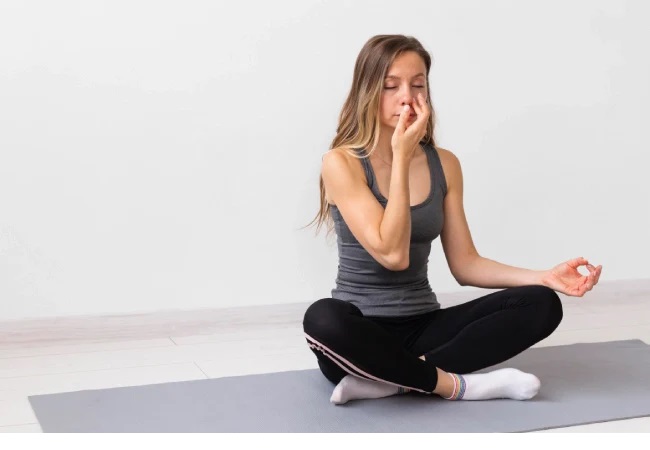
3. Alternate Nostril Breathing
Calms the mind and balances nervous system.
Lifestyle Tips for a Stress-Free Mind
- Reduce screen time at night
- Take 10-minute mindfulness breaks
- Drink enough water
- Stretch after long sitting hours
- Practice gratitude
- Spend time outdoors
Internal Linking Suggestions for Your Website
Link this article to:
- “15-Minute Full Body HIIT Routine for Beginners”
- “7 Best Foods to Boost Your Metabolism”
- “How to Start Your Fitness Journey From Zero”
- “Benefits of Morning Exercise for Mental Health”
FAQs – Yoga for Stress Relief
1. Is yoga really effective for stress relief?
Yes. Yoga relaxes both the mind and body through controlled breathing, gentle movements, and mindfulness. These elements reduce cortisol (stress hormone) and help you feel calmer and more balanced.
2. How often should I do yoga for stress relief?
Doing yoga at least 3–4 times a week brings noticeable results. Even 10 minutes a day can help reduce stress, improve mood, and calm the nervous system.
3. Can beginners do these poses safely?
Absolutely. All 10 poses in this guide are beginner-friendly and require no equipment. You can perform them at home with simple instructions and slow breathing.
4. What is the best time of day to do yoga for stress?
Evening yoga helps release the day’s tension and improves sleep. However, morning sessions energise the mind and set a peaceful tone for the day. Choose the time that feels best for you.
5. Do I need to be flexible to start yoga?
No. Flexibility improves naturally over time. Yoga is about gentle movement and awareness, not perfection. Anyone, regardless of flexibility, can benefit.
6. Can yoga help with anxiety and overthinking?
Yes. Yoga activates the parasympathetic nervous system, slowing heart rate and quieting the mind. Breathing practices, especially, help reduce anxiety and improve focus.
7. How long should I hold each pose for stress relief?
Hold each pose for 30–60 seconds, focusing on deep breathing. Restorative poses like Legs Up the Wall or Savasana can be held for 2–5 minutes for deeper relaxation.
8. Is yoga better than meditation for stress?
Both are excellent. Yoga relaxes the body through movement, while meditation calms the mind. Combining both delivers the best stress-relief benefits.