
Meta Title
Why Vitamin B Deficiency Is Increasing in USA & UK | Causes & Solutions
Meta Description
Vitamin B deficiency is rising in the USA and UK. Learn the main causes, symptoms, health risks, and natural ways to prevent vitamin B deficiency.
Introduction: A Growing Nutritional Problem in Western Countries
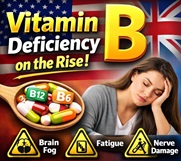
Vitamin deficiencies were once associated mainly with poverty and undernutrition. However, in recent years, vitamin B deficiency has become increasingly common in developed countries, including the United States and the United Kingdom.
Despite easy access to food, millions of people now suffer from low levels of essential B vitamins, often without realizing it. Modern lifestyles, poor dietary habits, digestive issues, and certain medications are major contributors to this silent health problem.
This article explains why vitamin B deficiency is increasing in the USA and UK, which B vitamins are most affected, common symptoms, health risks, and practical ways to prevent deficiency naturally.
Understanding Vitamin B: The B-Complex Explained
Vitamin B is not a single vitamin but a group known as the B-complex vitamins.
The Main B Vitamins Include:
- Vitamin B1 (Thiamine) – Energy production
- Vitamin B2 (Riboflavin) – Cell growth and metabolism
- Vitamin B3 (Niacin) – Nervous system support
- Vitamin B5 (Pantothenic acid) – Hormone production
- Vitamin B6 (Pyridoxine) – Brain function and immunity
- Vitamin B7 (Biotin) – Hair, skin, and nail health
- Vitamin B9 (Folate) – DNA synthesis and cell division
- Vitamin B12 (Cobalamin) – Red blood cell formation and nerve health
A deficiency in any of these can affect energy, brain function, metabolism, and overall health.
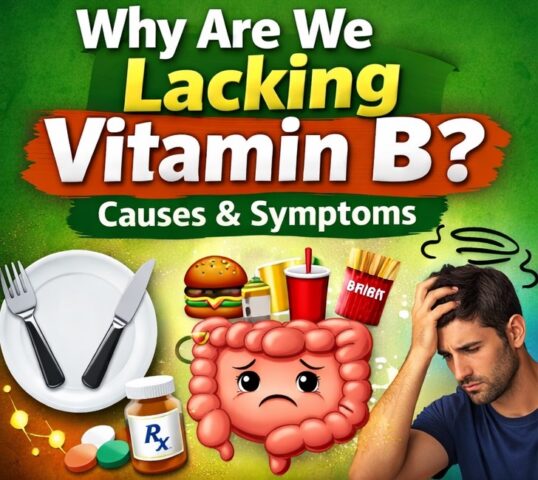
Why Vitamin B Deficiency Is Rising in the USA & UK
1. Increased Consumption of Processed Foods
Modern Western diets rely heavily on:
- Packaged snacks
- Ready-to-eat meals
- Fast food
These foods are often low in natural B vitamins due to processing, refining, and long shelf life. Even when fortified, synthetic vitamins may not be absorbed efficiently.
2. Poor Gut Health and Digestive Disorders
Gut health plays a crucial role in vitamin absorption.
Common issues include:
- Irritable Bowel Syndrome (IBS)
- Acid reflux
- Inflammatory gut conditions
Vitamin B12, in particular, requires a healthy digestive system for proper absorption. Poor gut health increases deficiency risk.
3. Long-Term Use of Common Medications
Several widely used medications reduce B vitamin absorption, including:
- Acid-reducing drugs (PPIs and antacids)
- Metformin (used for diabetes)
- Certain antibiotics
Long-term use is common in the USA and UK, especially among older adults.
4. Rise in Plant-Based and Restrictive Diets
While plant-based diets have health benefits, they may lack:
- Vitamin B12 (found mainly in animal products)
Without proper planning or supplementation, vegans and vegetarians are at higher risk of B12 deficiency.
5. Chronic Stress and Busy Lifestyles
Stress increases the body’s demand for B vitamins.
Chronic stress:
- Depletes B-complex vitamins
- Affects digestion and absorption
- Disrupts appetite and food choices
Fast-paced Western lifestyles contribute significantly to deficiency.
6. Alcohol Consumption
Alcohol interferes with:
- B vitamin absorption
- Storage in the liver
Regular or excessive alcohol intake is a major cause of vitamin B1, B6, and B12 deficiencies.
7. Aging Population in Western Countries
As people age:
- Stomach acid production decreases
- Nutrient absorption declines
This makes older adults in the USA and UK particularly vulnerable to vitamin B deficiency.
Most Common Vitamin B Deficiencies in the USA & UK
Vitamin B12 Deficiency
Most widespread and serious:
- Common in older adults
- Frequent in vegetarians and vegans
Vitamin B9 (Folate) Deficiency
Linked to:
- Poor diet
- Alcohol use
- Certain medications
Vitamin B6 Deficiency
Often associated with:
- Chronic stress
- Inflammation
- Poor dietary intake
Symptoms of Vitamin B Deficiency
Vitamin B deficiency often develops slowly and may be mistaken for stress or aging.
Common Symptoms Include:
- Constant fatigue and weakness
- Brain fog and poor concentration
- Tingling or numbness in hands and feet
- Mood changes, anxiety, or depression
- Pale skin or anemia
- Hair thinning and brittle nails
- Poor immunity
Ignoring these symptoms can lead to long-term nerve and cognitive damage, especially with B12 deficiency.
Health Risks of Untreated Vitamin B Deficiency
Long-term deficiency may lead to:
- Anemia
- Nerve damage
- Memory loss
- Cardiovascular issues
- Pregnancy complications
- Increased risk of depression
Early detection is critical.
Why Vitamin B Deficiency Often Goes Undiagnosed
Many symptoms are:
- Non-specific
- Gradual in onset
Doctors may focus on stress or lifestyle without checking vitamin levels. Routine testing for vitamin B is not always standard practice.
How to Prevent Vitamin B Deficiency Naturally
1. Eat B Vitamin–Rich Whole Foods
Include:
- Eggs
- Dairy products
- Lean meats
- Fish
- Whole grains
- Leafy green vegetables
- Nuts and seeds
These provide natural, bioavailable B vitamins.
2. Improve Gut Health
Support digestion by:
- Eating fiber-rich foods
- Including fermented foods
- Reducing ultra-processed foods
A healthy gut improves vitamin absorption.
3. Limit Alcohol Intake
Reducing alcohol protects B vitamin absorption and storage.
4. Manage Stress Levels
Stress management helps preserve B vitamin levels.
Helpful strategies include:
- Regular exercise
- Adequate sleep
- Mindfulness practices
5. Consider Supplementation (When Needed)
People at higher risk may benefit from:
- B-complex supplements
- Vitamin B12 supplements
Always consult a healthcare professional before supplementing.
Should You Get Tested for Vitamin B Deficiency?
Testing is recommended if you:
- Feel chronically fatigued
- Follow a vegan or vegetarian diet
- Are over 50
- Use acid-reducing medication
- Have digestive issues
Early testing helps prevent complications.
Internal Linking Suggestions (For dailyhealthportal.com)
- Signs of Nutrient Deficiencies You Shouldn’t Ignore
- Best Foods for Gut Health
- How Stress Affects Nutrient Absorption
- Benefits of a Balanced Diet
Final Thoughts
Vitamin B deficiency is no longer rare in the USA and UK. Modern diets, digestive issues, stress, medications, and lifestyle changes have created a nutritional gap in developed countries.
The good news is that vitamin B deficiency is preventable and reversible when detected early. With better food choices, gut health awareness, and timely testing, you can protect your energy, brain health, and overall well-being.
Frequently Asked Questions (FAQs)
1. Why is vitamin B deficiency common in developed countries?
Vitamin B deficiency is increasing due to processed diets, poor gut health, medication use, chronic stress, and reduced nutrient absorption despite food availability.
2. Which vitamin B deficiency is most common?
Vitamin B12 deficiency is the most common, especially among older adults, vegetarians, vegans, and people with digestive issues.
3. Can stress cause vitamin B deficiency?
Yes, chronic stress increases the body’s demand for B vitamins and reduces absorption, making deficiency more likely over time.
4. How long does it take to correct vitamin B deficiency?
Improvement may begin within weeks, but full recovery can take several months depending on severity, absorption, and treatment method.
5. Can vitamin B deficiency cause nerve damage?
Yes, prolonged vitamin B12 deficiency can cause irreversible nerve damage if left untreated.
6. Are supplements better than food sources?
Whole foods are best, but supplements are useful when dietary intake or absorption is insufficient.
7. Who should take vitamin B12 supplements?
Vegans, vegetarians, older adults, and people with digestive disorders or on certain medications may benefit from B12 supplementation.