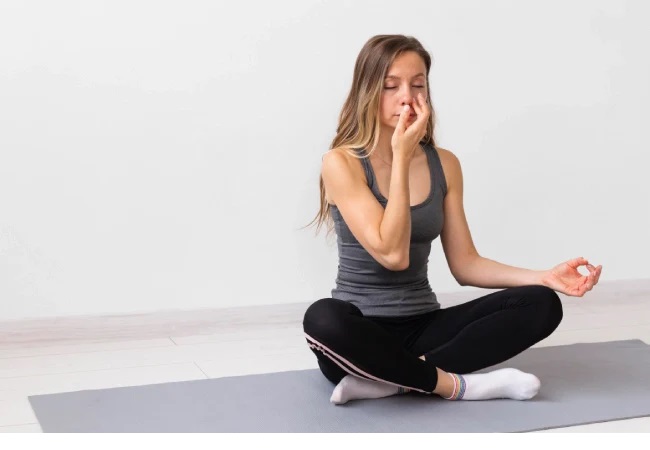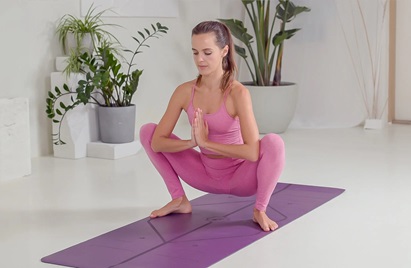
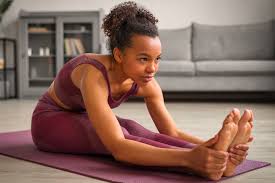
Starting your yoga journey can feel confusing, especially with so many styles, poses and routines available online. But the truth is simple — yoga is for everyone, regardless of age, fitness level or previous experience. Whether your goal is stress relief, better flexibility, improved posture, weight management, or overall wellness, yoga offers a holistic approach that strengthens both your mind and body.
At DailyHealthPortal.com, our priority is to deliver reliable, beginner-friendly health information, especially for readers in the USA and UK, where yoga has become one of the most popular forms of wellness practice. This guide will help you understand the basics, avoid common mistakes, and start building a sustainable yoga routine.
What Is Yoga? A Beginner-Friendly Explanation
Yoga is an ancient practice that combines breathing techniques (pranayama), physical postures (asanas), and mindfulness to create balance in the body and mind. For beginners, yoga serves as a gentle entry into fitness without needing equipment or advanced skills.
Modern yoga focuses on:
- Improving strength and flexibility
- Relaxing the mind and reducing stress
- Enhancing lung capacity and breathing patterns
- Supporting posture and joint mobility
- Creating mental clarity and body awareness
This balanced approach makes yoga one of the best beginner fitness options in the USA and UK, especially for people dealing with stress, sedentary lifestyles, or chronic back and neck tension.
Why Yoga Is Perfect for Beginners
1. Low Impact & Safe for All Age Groups
Yoga is gentle on the joints, making it ideal for beginners who may not be ready for intense workouts. Many Americans and Brits choose yoga to ease into fitness without risking injuries.
2. Boosts Flexibility Gradually
You don’t need to be flexible to start yoga — flexibility develops over time. Even simple beginner poses help loosen tight muscles, especially around the hips, lower back, and shoulders.
3. Great for Stress & Anxiety Relief
Yoga is scientifically proven to reduce stress hormones, slow the heart rate, and promote mental relaxation. With rising anxiety in the USA and UK, beginner yoga routines are becoming a popular wellness tool.
4. Improves Posture & Reduces Pain
Beginners often struggle with back and neck pain due to long hours of work or screen time. Yoga strengthens the core, realigns the spine, and helps correct posture.
5. Requires No Equipment
All you need is a mat — making yoga one of the most accessible and affordable fitness options.
Types of Yoga Beginners Should Consider
1. Hatha Yoga
Best for absolute beginners.
This slow-paced yoga focuses on basic postures and breathing techniques.
2. Vinyasa Yoga
Also known as “flow yoga,” this style links movement with breath. It feels dynamic but still beginner-friendly.
3. Restorative Yoga
Ideal for stress relief.
Uses props and gentle postures to relax the body deeply.
4. Yin Yoga
Focuses on long, passive stretches.
Great for improving flexibility and calming an overactive mind.
5. Ashtanga (Only If You Want Challenge)
Structured and repetitive.
Good for beginners aiming for long-term strength and discipline.
These styles are widely practiced in the USA and UK, making them perfect for beginners who want accessible and recognized yoga routines.
Essential Yoga Tips for Beginners
1. Start Slow & Don’t Push Yourself
Yoga is not a competition. Listen to your body and avoid comparing your progress with others.
2. Focus on Breathing
Breathing is the foundation of yoga. Deep and controlled breathing boosts relaxation, stability, and performance.
3. Choose Comfortable Clothing
Wear flexible, breathable clothes so you can move freely during poses.
4. Practice Consistently
Even 10–20 minutes a day is enough to notice improvements in flexibility and mental clarity.
5. Avoid Overstretching
Beginners often push too hard. Yoga should feel gentle, not painful.
6. Hydrate & Warm Up
Drink water and warm up your muscles with light movements before starting.
Beginner-Friendly Yoga Poses (With Benefits)
These yoga poses are safe, easy, and highly effective for beginners.
1. Mountain Pose (Tadasana)
Improves posture and balance.
2. Child’s Pose (Balasana)
A resting pose that reduces stress and gently stretches the back.
3. Downward Facing Dog (Adho Mukha Svanasana)
Builds strength in the arms and legs while stretching the entire back.
4. Cat-Cow Pose
Boosts spine flexibility and improves posture.
5. Cobra Pose (Bhujangasana)
Strengthens the back and opens the chest.
6. Warrior I & II
Builds strength, stability, and confidence.
7. Bridge Pose
Great for glutes, hamstrings, and lower back.
8. Seated Forward Bend
Enhances hamstring flexibility and calms the mind.
These poses are commonly recommended by yoga instructors across the USA and UK because they help beginners build a solid foundation.
A Simple 15-Minute Yoga Routine for Beginners
This routine is perfect for daily practice:
- Deep Breathing – 2 minutes
- Cat-Cow – 1 minute
- Downward Dog – 2 minutes
- Mountain Pose – 1 minute
- Warrior I & II – 3 minutes
- Cobra Pose – 2 minutes
- Child’s Pose – 2 minutes
- Seated Forward Bend – 2 minutes
This beginner yoga routine boosts flexibility, relaxes muscles, and improves mental focus.
Common Mistakes Beginners Should Avoid
1. Holding Breath
Beginners often forget to breathe consciously.
Deep breathing supports balance and strength.
2. Expecting Fast Results
Yoga is a journey, not a quick transformation. Stay patient.
3. Practicing on a Slippery Surface
Use a yoga mat to avoid injuries.
4. Skipping Cooldown
A short relaxation at the end helps your body recover.
Benefits of Yoga for Beginners
1. Improved Flexibility
Even 3–4 weeks of consistent yoga increases body flexibility.
2. Stress & Anxiety Relief
Breathing exercises regulate the nervous system and reduce stress.
3. Healthy Weight Management
Gentle yoga increases metabolism and promotes mindful eating.
4. Better Sleep Quality
Yoga helps beginners fall asleep faster and rest deeper.
5. Increased Strength
You’ll notice stronger arms, core, and legs without heavy workouts.
6. Better Focus & Mental Clarity
Mindfulness in yoga enhances concentration and emotional balance.
7. Boosted Energy Levels
Yoga brings fresh oxygen to the body, reducing fatigue.
How to Stay Motivated as a Beginner
- Set small goals (10 minutes daily)
- Track your progress
- Join a yoga class online (USA/UK instructors are great for beginners)
- Practice in a calm environment
- Use relaxing music
- Reward yourself after completing a session
Motivation builds gradually, especially when yoga becomes part of your lifestyle.
Is Yoga Enough for Fitness?
For beginners, yes.
Yoga builds strength, improves flexibility, boosts heart health, and enhances endurance. Many individuals in the USA and UK use yoga as their primary fitness routine because it is safe, sustainable, and beginner-friendly.
Final Thoughts: Start Your Yoga Journey Today
Yoga is more than a workout — it is a lifestyle that strengthens your body, calms your mind, and improves your overall wellness. As a beginner, you don’t need perfection. You only need consistency, the right guidance, and a willingness to learn.
At DailyHealthPortal.com, we focus on bringing practical, beginner-friendly health and fitness guidance to help you build a better version of yourself. Starting yoga today may become one of the best decisions you ever make for your well-being.