Introduction: Why Core Strength Matters
A strong core isn’t just about visible abs — it’s the foundation of your body’s stability, balance, and posture. Whether you’re running, lifting, sitting at your desk, or doing everyday tasks, your core muscles support nearly every movement.
The best part?
You don’t need a gym, equipment, or a lot of time. This 15-minute core workout can be done at home, outdoors, or in a small space — and it’s beginner-friendly while still being challenging for advanced exercisers.
This routine targets your:
- Rectus abdominis (six-pack area)
- Obliques (side abs)
- Transverse abdominis (deep core)
- Lower back and hip stabilisers
Follow this structured plan for improved stability, strength, and overall fitness.
1. Warm-Up (2 Minutes)
Before jumping into core exercises, spend two minutes warming up to avoid strains and enhance muscle activation.
Do the following for 30 seconds each:
- Marching in place
- Standing torso twists
- Hip circles
- High knee taps
A proper warm-up increases blood flow, wakes up the nervous system, and ensures your core is engaged.
2. 15-Minute Core Routine (No Equipment Needed)
Duration: 15 minutes
Format: 45 seconds exercise + 15 seconds rest
Rounds: 1 full round of all movements
1. Plank Hold
Time: 45 seconds
A classic core activator that works your entire midsection.
How to do it:
- Keep elbows under shoulders
- Engage your abs
- Maintain a straight line from head to heels
Benefits:
Builds endurance in deep core muscles and improves posture.
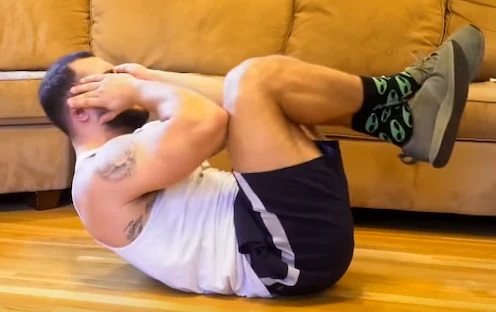
2. Bicycle Crunches
Time: 45 seconds
Targets obliques and upper abs with rotational strength.
How to do it:
- Lie on your back
- Bring opposite elbow to opposite knee
- Move in a slow, controlled manner
Benefits:
Helps tighten waist and build stabilising rotational strength.
3. Leg Raises
Time: 45 seconds
A great move for lower abs.
Instructions:
- Lie flat with hands beside hips
- Lift both legs slowly
- Don’t arch your back
Benefits:
Strengthens hip flexors and lower abdominal muscles.
4. Russian Twists
Time: 45 seconds
A perfect exercise for side abs and obliques.
Instructions:
- Sit upright
- Lean back slightly
- Twist torso side to side
- Keep core tight
Benefits:
Improves rotational mobility and strengthens obliques.
5. Mountain Climbers
Time: 45 seconds
A dynamic move that hits the core, shoulders, and legs.
Instructions:
- Start in plank position
- Bring knees toward chest alternately
- Keep hips low
Benefits:
Burns calories while engaging deep core muscles.
6. Flutter Kicks
Time: 45 seconds
Great for activating lower abs.
Instructions:
- Lie on back
- Lift legs a few inches
- Kick alternately up and down
Benefits:
Strengthens lower core and improves stability.
7. Side Plank (Right Side)
Time: 45 seconds
Focuses on obliques and hip stabilisers.
Instructions:
- Lie on right side
- Lift hips
- Keep spine neutral
8. Side Plank (Left Side)
Time: 45 seconds
Repeat for left obliques.
9. Toe Touch Crunches
Time: 45 seconds
Strengthens upper abs and improves flexibility.
Instructions:
- Lie on back
- Lift legs straight
- Reach hands toward toes
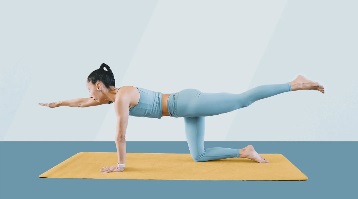
10. Dead Bug
Time: 45 seconds
A stability powerhouse move.
Instructions:
- Lie on back
- Opposite arm and leg move simultaneously
- Keep lower back pressed into floor
Benefits:
Improves coordination, posture, and deep core activation.
11. Reverse Crunches
Time: 45 seconds
Targets lower belly area.
Instructions:
- Lift hips upward
- Keep motion controlled
- Engage abs instead of using momentum
12. Plank Shoulder Taps
Time: 45 seconds
Adds an anti-rotation challenge.
Instructions:
- Start in plank
- Tap each shoulder with opposite hand
- Prevent hip swaying
13. Heel Taps
Time: 45 seconds
A great move for tightening side abs.
Instructions:
- Lie on back
- Bend knees
- Reach hand toward the heel repeatedly
14. Hollow Body Hold
Time: 45 seconds
A gymnastics-style move that builds serious core strength.
Instructions:
- Lift shoulders and legs off floor
- Keep lower back glued to mat
- Hold position
15. Slow Controlled Crunches
Time: 45 seconds
Finish strong with classic abdominal activation.
3. Cool Down & Stretch (3 Minutes)
Stretch for 30 seconds each:
- Cobra stretch
- Cat-cow stretch
- Seated forward fold
- Child’s pose
- Hip-flexor stretch (left & right)
Stretching improves muscle recovery and reduces stiffness.
Benefits of This 15-Minute Core Workout
This routine is designed for maximum efficiency.
You will improve:
- Core strength
- Balance and stability
- Posture
- Lower back support
- Functional movement
- Overall strength for other exercises
Plus, you can do it:
- At home
- During travel
- Outdoors
- In a hotel room
- In small spaces
Tips to Maximise Results
- Keep your movements controlled.
- Breathe consistently.
- Don’t rush through reps.
- Maintain proper form.
- Stay consistent — aim for 4–5 sessions per week.
Internal Linking Suggestions for Your Website
You can interlink this article with:
- “The Science Behind Muscle Growth Explained”
- “10 Low-Calorie Snacks That Actually Satisfy Hunger”
- “How to Prevent Injuries While Exercising”
This boosts SEO and reduces bounce rate.
Meta Title & Description
Meta Title:
15-Minute Core Workout You Can Do Anywhere | DailyHealthPortal
Meta Description:
Strengthen your abs and improve posture with this simple 15-minute core workout you can do anywhere — no equipment needed. Follow this step-by-step routine for a stronger, toned, and more stable core.
FAQs (5–10 FAQs)
1. Can I do this core workout every day?
Yes, you can, as long as your body feels fine. Core muscles recover faster than larger muscles, but if you experience soreness, take a day off or switch to light stretching.
2. How long before I see results from core workouts?
Most people notice improved strength and stability within 3–4 weeks. Visible abs depend largely on body fat percentage, diet, and overall activity level.
3. Do I need equipment for this routine?
No equipment at all — this workout is designed to be done anywhere using just your body weight, making it highly convenient for busy schedules or travel.
4. Will this workout help reduce belly fat?
Core exercises strengthen muscles but don’t directly burn belly fat. Pair this workout with cardio and a calorie-controlled diet to see fat-loss results.
5. Should beginners modify any moves?
Beginners can shorten the working time to 30 seconds or skip advanced moves like hollow holds. Over time, they can increase duration and difficulty.
6. Is this a good workout for lower back pain?
A stronger core can reduce lower back issues, but if you already have pain, stick to gentle moves (dead bug, bird-dog) and avoid intense crunches unless cleared by a professional.
7. Can I combine this with other workouts?
Absolutely — this routine pairs well with strength training, cardio, and mobility workouts. It’s short enough to add at the end of any session.
8. Do I need to warm up before core exercises?
Yes, even a short warm-up boosts blood flow and reduces injury risks. This helps you activate the core more effectively.
9. How important is breathing during core workouts?
Very important! Proper breathing enhances muscle activation and prevents excess pressure on your spine. Exhale as you crunch or contract your core.
10. Can this workout help posture?
Yes. Strengthening your core stabilizes your spine, which improves posture and reduces slouching — especially if you sit for long hours.