In today’s busy world, most people sit for long hours, whether at a desk, in the car, or on the sofa. This lifestyle leads to stiff muscles, tight joints, and reduced flexibility — a problem that affects millions of people across the USA and UK.
Improving flexibility isn’t just for athletes, dancers, or gym-goers; it’s essential for everyone. Better flexibility helps you move comfortably, reduces pain, improves posture, boosts blood circulation, and supports long-term mobility.
At DailyHealthPortal.com, we focus on easy, practical wellness tips that anyone can follow. In this detailed guide, you’ll discover 7 simple ways to improve flexibility, even if you’re a beginner.
⭐ Meta Title:
7 Simple Ways to Improve Flexibility (Beginner-Friendly Guide) – Daily Health Portal
⭐ Meta Description:
Improve flexibility with these 7 simple, effective techniques. Learn top stretches, mobility tips, and daily habits to move better, feel lighter, and stay pain-free.
Why Flexibility Matters for Your Health
Flexibility refers to how easily your muscles and joints can move through their full range of motion. When flexibility decreases, everyday activities — bending, walking, exercising, lifting, or even sleeping — become uncomfortable.
Poor flexibility can lead to:
- Lower back pain
- Neck and shoulder stiffness
- Poor posture
- Higher risk of injury
- Tight hips and hamstrings
- Reduced mobility
Good flexibility helps you:
- Move more freely
- Improve posture naturally
- Reduce joint and muscle pain
- Boost athletic performance
- Age with better mobility and comfort
- Recover faster after workouts
The good news? You don’t need long gym sessions or advanced yoga classes. Small, consistent habits make the biggest difference.
1. Stretch Daily for 10–15 Minutes
Stretching is the most effective way to improve flexibility — and you only need a few minutes a day.
Why Daily Stretching Works
Stretching relaxes tight muscles, increases blood flow, and helps your joints move freely.
Best Daily Stretches
- Hamstring stretch – reduces lower back tension
- Quad stretch – improves hip mobility
- Chest opener stretch – counters desk posture
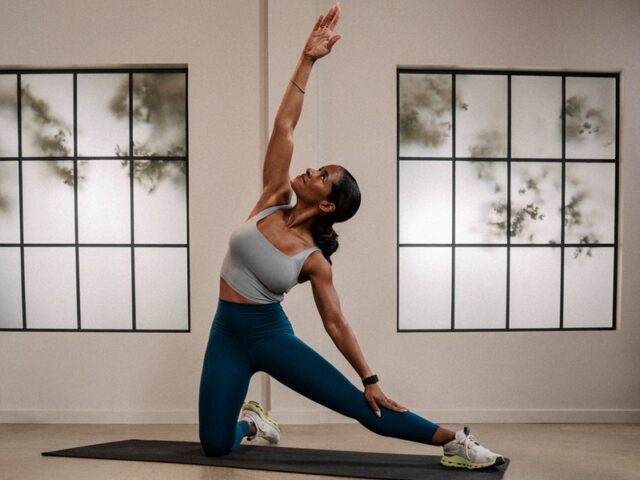
- Side body stretch – improves spine flexibility
- Seated hip stretch – releases tight hips
Tips for Better Stretching
- Hold each stretch for 20–30 seconds.
- Never bounce (it may cause injury).
- Breathe slowly and deeply.
- Stop if you feel sharp pain.
Consistency is the secret. Even a short daily session offers long-term results.
2. Add Dynamic Warm-Ups Before Exercise
Dynamic stretching warms the muscles through controlled movement. It’s better before workouts because it prepares your body for activity.
Examples of Dynamic Warm-Ups
- Leg swings
- Arm circles
- Hip rotations
- Walking lunges
- Torso twists
- High knees
Benefits of Dynamic Mobility
- Raises core temperature
- Loosens joints
- Increases range of motion
- Helps prevent sprains and muscle pulls
Doing these for just 5–7 minutes before exercise dramatically improves flexibility.
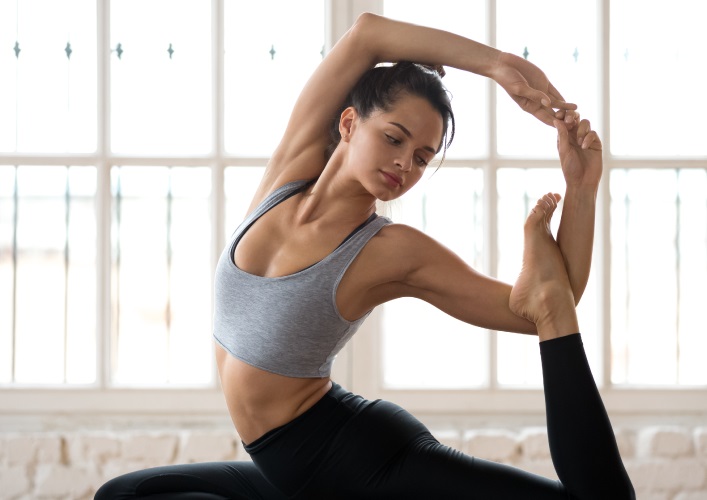
3. Try Yoga or Pilates 2–3 Times a Week
Yoga and Pilates are two highly effective methods for improving flexibility gently and naturally.
Why Yoga Helps Flexibility
Yoga combines stretching, breathing, and mindful movement. It lengthens tight muscles and reduces stress — a major cause of stiff muscles.
Why Pilates Helps
Pilates improves core strength, stability, and posture, which supports better flexibility for the whole body.
Beginner-Friendly Yoga Poses
- Cat-Cow
- Downward Dog
- Child’s Pose
- Cobra Pose
- Forward Fold
- Butterfly stretch
Benefits You’ll Notice
- Better spinal alignment
- Stronger core
- Relaxed muscles
- Improved balance and posture
Attending a class or following an online routine even twice a week makes a big difference.
4. Use Foam Rolling (Self-Massage Technique)
Foam rolling, also known as self-myofascial release, helps loosen deep muscle knots and tight connective tissue.
How Foam Rolling Improves Flexibility
- Breaks down muscle tightness
- Increases blood flow
- Reduces stiffness
- Improves muscle recovery
- Helps joints move more freely
Best Areas to Foam Roll
- Upper back
- Lower back (gently and with control)
- Hips
- Hamstrings
- Calves
- IT band (outer thigh)
Start slow, roll for 30–60 seconds per muscle, and avoid rolling directly on joints.
5. Stay Hydrated Throughout the Day
Hydration plays a huge role in flexibility because muscles and connective tissue rely on water to stay soft and elastic.
Why Dehydration Reduces Flexibility
- Muscles become stiff
- Tendons and ligaments lose elasticity
- Cramps and tightness increase
Tips to Stay Hydrated
- Drink 6–8 glasses of water daily (more if active).
- Add electrolytes during workouts.
- Eat water-rich foods like cucumbers, citrus fruits, berries, and melons.
Better hydration = smoother, easier movement.
6. Improve Your Daily Posture
Poor posture is one of the leading causes of stiffness, especially in the back, neck, and hamstrings.
How Posture Affects Flexibility
When you sit hunched for hours, certain muscles shorten (tighten) while others weaken. This imbalance limits your flexibility.
Quick Posture Fixes
- Keep your screen at eye level.
- Sit with your back supported.
- Take a 2-minute movement break every hour.
- Avoid slouching while using your phone.
- Keep your shoulders relaxed, not raised.
Correct posture allows your muscles to move through their natural range of motion.
7. Add Mobility Work to Your Routine
Mobility exercises focus on improving how your joints move, which directly improves flexibility.
Best Mobility Exercises
- Hip circles
- Ankle mobility drills
- Wrist flexibility rolls
- Shoulder dislocates (using a band)
- Spinal rotation
Why Mobility Training Works
- Lubricates joints
- Improves movement patterns
- Reduces stiffness
- Helps you bend, twist, and stretch with ease
Just 5 minutes of mobility training each morning or evening can transform how your body feels.
Bonus Tips for Faster Flexibility Improvement
- Warm up before stretching.
- Stretch after workouts for best results.
- Hold deep stretches for 30–45 seconds.
- Breathe deeply — exhale during deeper stretches.
- Don’t rush results; progress takes time.
- Combine stretching with strength training for balanced muscles.
The more frequently you stretch, the faster you’ll improve.
Internal Linking Suggestions for DailyHealthPortal.com
You can link this article to:
- “Best Stretches for Lower Back Pain Relief”
- “How to Improve Posture Naturally”
- “Daily Mobility Routine for Beginners”
- “Top 10 Home Exercises for Better Flexibility”
FAQs – Flexibility Improvement (5–10 FAQs)
1. How long does it take to improve flexibility?
Most people notice better flexibility in 3–4 weeks, especially if they stretch daily. Consistency matters more than intensity. Small improvements build up over time and lead to long-lasting mobility benefits.
2. What is the best time of day to stretch?
Stretching in the evening is often more effective because your muscles are already warm from the day. However, morning stretching helps reduce stiffness. Both are beneficial — choose a time you can stick to consistently.
3. Can beginners become flexible?
Absolutely. Anyone can improve flexibility regardless of age, fitness level, or experience. Start slow with simple stretches and gradually increase intensity as your muscles loosen.
4. How long should I hold a stretch?
Hold each stretch for 20–30 seconds for beginners and up to 45 seconds for deeper stretching. Avoid bouncing, and relax into the stretch for maximum benefit.
5. Does flexibility reduce back pain?
Yes, improving flexibility — especially in the hips, hamstrings, and spine — can significantly reduce back pain. Flexible muscles place less stress on the spine and improve posture.
6. Should I stretch before or after exercise?
Perform dynamic stretches before workouts and static stretches after workouts. This combination prepares your body for exercise and helps muscles recover afterward.
7. Can I get flexible without yoga?
Yes. Simple daily stretches, foam rolling, and mobility exercises are equally effective. Yoga is just one option, not a requirement.
8. Why are my hamstrings so tight?
Hamstrings become tight due to prolonged sitting, weak glutes, poor posture, and lack of movement. Consistent stretching and mobility work helps release tightness.
9. How often should I stretch as a beginner?
Aim for 5–6 days per week, even if it’s just 10 minutes a day. Daily stretching provides better results than long sessions done occasionally.
10. Do I need equipment to improve flexibility?
No equipment is required. However, yoga mats, foam rollers, stretch bands, and pillows can make stretching more comfortable and effective.