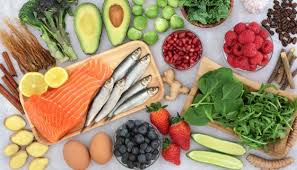
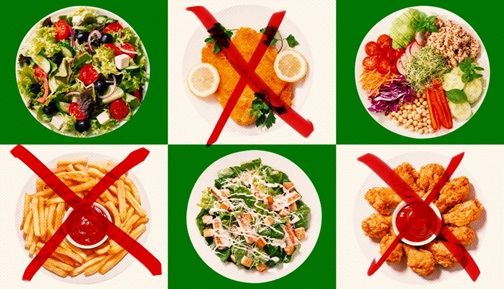
Good health begins with smart food choices. While nutritious foods help your body grow stronger, certain unhealthy foods can harm your energy, digestion, immunity, weight, and long-term wellness. For people living in the United States and United Kingdom, the modern diet includes processed snacks, sugary drinks, and fast food options that may taste good but silently damage overall health.
This detailed guide highlights the foods to avoid for better fitness, improved digestion, reduced inflammation, and long-term well-being. Removing or limiting these unhealthy foods can bring a noticeable difference in your energy, mood, weight, and lifestyle. Each category below explains why specific foods should be avoided and provides healthier alternatives that support your daily nutrition.
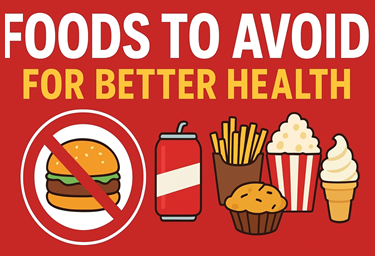
Why Avoiding Certain Foods Matters
Some foods increase the risk of obesity, heart disease, diabetes, high blood pressure, and digestive problems. Many Americans and British individuals consume processed foods for convenience, but they often contain additives, preservatives, artificial sugars, and unhealthy fats that create long-term health issues.
Avoiding harmful foods helps you:
- Maintain a healthy weight
- Improve heart health
- Boost immune system
- Enhance digestion
- Reduce inflammation
- Support mental clarity
- Increase daily energy
- Improve skin and overall wellness
1. Sugary Drinks and Sodas
One of the most important foods to avoid is sugary beverages. Sodas, sweetened iced teas, flavored coffees, and energy drinks contain large amounts of added sugar.
Why They Harm You
- Spike blood sugar levels
- Cause weight gain
- Increase risk of diabetes
- Contribute to tooth decay
- Lower energy after sugar crashes
Healthier Alternatives
- Lemon water
- Sparkling water
- Herbal teas
- Coconut water
2. Deep-Fried Foods
Fried foods like French fries, fried chicken, donuts, and onion rings are popular in both the USA and UK, but they are extremely unhealthy.
Why to Avoid
- High in trans fats
- Increase bad cholesterol
- Raise risk of heart disease
- Cause inflammation
- Slow down digestion
Better Alternatives
- Air-fried foods
- Baked potatoes
- Grilled chicken
- Roasted vegetables
3. Processed Meats
Hot dogs, bacon, sausages, pepperoni, and ham fall under processed meats—common in American and British diets.
Why They Are Dangerous
- Linked to heart disease
- Contain preservatives and nitrates
- Increase risk of cancer
- High in sodium and saturated fat
Healthy Options
- Lean chicken
- Turkey breast
- Fresh fish
- Plant-based protein sources
4. Refined Carbohydrates
White bread, white rice, pastries, and commercial pasta are low in nutrients and high in simple carbs.
Why to Avoid
- Cause blood sugar spikes
- Increase weight gain
- Lacking fiber
- Lead to overeating
Healthier Choices
- Whole grain bread
- Brown rice
- Quinoa
- Whole wheat pasta
5. Packaged Snacks and Chips
Chips, cheese puffs, crackers, and flavored snacks are engineered to be addictive.
Why They Affect Health
- Excess salt
- Artificial additives
- Low nutritional value
- Promote water retention and bloating
Smarter Alternates
- Nuts and seeds
- Air-popped popcorn
- Homemade veggie chips
6. Fast Food
Burgers, pizzas, fries, and quick meals are convenient but harmful when eaten regularly.
Why They Should Be Avoided
- Loaded with calories
- High saturated fats
- Excessive sodium
- Lack essential nutrients
Better Choices
- Home-cooked meals
- Fresh salads
- Grilled wraps
7. Sugary Breakfast Cereals
Many breakfast cereals marketed to children and adults contain more sugar than desserts.
Why to Avoid
- Rapid sugar spikes
- Weight gain
- Poor satiety
Healthy Alternatives
- Oatmeal
- Granola (low sugar)
- Fruit and yogurt bowl
8. Artificial Sweeteners
Diet sodas, sugar-free candies, and low-calorie desserts often contain artificial sweeteners.
Why They’re Harmful
- May disrupt metabolism
- Cause sugar cravings
- Affect gut bacteria
Natural Options
- Honey
- Stevia
- Maple syrup
9. Margarine and Hydrogenated Oils
These are often found in baked goods and spreads.
Why to Avoid
- High trans fats
- Increase heart disease risk
- Cause inflammation
Healthier Choices
- Olive oil
- Avocado oil
- Grass-fed butter (in moderation)
10. Excessive Alcohol
Alcohol is widely consumed in the USA and UK, but too much intake harms multiple organs.
Why It’s Problematic
- Liver strain
- Weight gain
- Poor sleep
- Dehydration
Moderation Tips
- Choose low-alcohol beverages
- Limit weekly intake
- Stay hydrated
11. High-Sodium Foods
Canned soups, instant noodles, packaged meals, and sauces often contain extremely high sodium.
Health Risks
- High blood pressure
- Water retention
- Heart disease
Better Choices
- Low-sodium labels
- Fresh homemade meals
12. Bakery Sweets & Desserts
Cakes, cookies, pastries, and doughnuts taste great but contain sugar and unhealthy fats.
Why to Limit
- Weight gain
- Blood sugar imbalance
- Energy crashes
Healthy Dessert Ideas
- Dark chocolate
- Fruit salads
- Greek yogurt desserts
13. Flavored Yogurts
Many flavored yogurts sold in US and UK supermarkets contain as much sugar as ice cream.
Why Avoid
- High added sugar
- Artificial flavorings
Better Choices
- Plain Greek yogurt + fruits
14. Processed Cheese
Cheese slices, cheese dips, and canned cheese products are highly processed.
Risks
- High sodium
- Artificial additives
Better Alternative
- Natural cheeses like cheddar, feta, or mozzarella
15. Energy Bars and Protein Bars
Many bars marketed as “healthy” are loaded with sugar.
Why You Should Avoid Them
- High calories
- Artificial sweeteners
Best Options
- Homemade granola bars
- Nuts and fruits
How to Reduce Unhealthy Foods in Your Diet
1. Meal Prep Weekly
Home-cooked meals reduce the need for processed foods.
2. Read Nutrition Labels
Avoid items with high sodium, sugar, or trans fats.
3. Choose Whole Foods
Fresh vegetables, fruits, nuts, and lean protein are always better.
4. Limit Eating Out
Restaurant foods often contain hidden fats and sugars.
5. Stay Hydrated
Sometimes cravings are due to dehydration.
Final Thoughts
Avoiding the wrong foods is just as important as choosing the right ones. By reducing processed snacks, sugary drinks, fried foods, and artificial additives, you can drastically improve your health. These small, smart changes help enhance immunity, support weight management, reduce inflammation, and boost overall wellness.
For more health-focused guides, visit DailyHealthPortal.com, your trusted partner in fitness and nutrition.