Meta Title
How to Identify High-Inflammation Foods on a Menu | Eat Smarter
Meta Description
Learn how to identify high-inflammation foods on a menu when eating out in the UK or USA. Discover hidden ingredients, unhealthy cooking methods, and smarter food choices for better health.
Introduction
Eating out has become a regular part of life in the UK and USA. From fast food to fine dining, restaurant meals offer convenience and variety. However, many menu items contain high-inflammation foods that can silently harm your health.
Chronic inflammation is linked to weight gain, digestive issues, joint pain, heart disease, diabetes, and low energy levels. The problem is that inflammatory foods are often hidden behind appealing names and clever menu descriptions.
This article explains how to identify high-inflammation foods on a menu, so you can make healthier choices without sacrificing enjoyment.
What Are High-Inflammation Foods?
Understanding Inflammation in the Body
Inflammation is the body’s natural defense response. However, chronic inflammation occurs when the body is constantly triggered by poor diet and lifestyle habits.
High-inflammation foods typically:
- Spike blood sugar levels
- Damage gut health
- Increase oxidative stress
- Promote fat storage
Many restaurant meals in the UK and USA are designed for taste, not health, making inflammation a common issue.
Why Restaurant Menus Are Full of Inflammatory Foods
Convenience Over Nutrition
Restaurants prioritize:
- Low-cost ingredients
- Long shelf life
- Fast preparation
This leads to heavy use of refined oils, sugars, processed carbs, and additives, all of which increase inflammation.
Portion Sizes and Cooking Methods
Large portions and unhealthy cooking techniques amplify the inflammatory impact of otherwise normal foods.
Words on a Menu That Signal High-Inflammation Foods
Watch Out for These Red-Flag Terms
Certain menu descriptions almost always indicate inflammatory foods. Be cautious when you see:
- Fried
- Crispy
- Battered
- Breaded
- Deep-fried
- Smothered
- Creamy
- Cheesy
- Loaded
These words usually mean:
- Refined oils
- Excess calories
- Trans fats
- Added sugars
Unhealthy Cooking Oils Used in Restaurants
Oils That Promote Inflammation
Most restaurants use cheap vegetable oils that become toxic when heated repeatedly.
Common inflammatory oils include:
- Soybean oil
- Corn oil
- Canola oil
- Sunflower oil
These oils are high in omega-6 fatty acids, which trigger inflammation when consumed in excess.
How to Spot Them on a Menu
Menus rarely list oils directly, but foods described as fried, sautéed, or grilled without clarification often use these oils.
Refined Carbohydrates Hidden in Plain Sight
Common Refined Carbs on Menus
Refined carbohydrates rapidly spike blood sugar and promote inflammation.
Look out for:
- White bread and buns
- Pasta made from refined flour
- Pizza crust
- White rice
- Pastries and desserts
These foods lack fiber and nutrients, making them highly inflammatory.
Combination Meals Are Worse
When refined carbs are combined with unhealthy fats (like burgers and fries), the inflammatory response is even stronger.
Sugar Traps on Restaurant Menus
Hidden Sugars in Savory Dishes
Sugar isn’t limited to desserts. Many savory dishes contain added sugars.
Common examples:
- BBQ sauces
- Teriyaki sauces
- Sweet chili sauces
- Ketchup-based glazes
Words like glazed, honey-coated, sweet, sticky, or caramelized often signal high sugar content.
Sugary Drinks Increase Inflammation
Avoid:
- Soft drinks
- Sweetened iced teas
- Lemonades
- Fancy coffee drinks
Liquid sugar is one of the fastest ways to increase inflammation.
Processed Meats: A Major Inflammation Trigger
Processed Meat Options to Limit
Processed meats are strongly linked to chronic inflammation.
Common menu items include:
- Bacon
- Sausages
- Hot dogs
- Pepperoni
- Deli meats
These meats contain preservatives, nitrates, and excess sodium, which negatively affect gut and heart health.
Dairy-Based Sauces and Creamy Dishes
Why Creamy Foods Can Be Inflammatory
Many people are sensitive to dairy, especially when consumed in large amounts.
High-inflammation dairy items include:
- Heavy cream sauces
- Cheese-loaded dishes
- Alfredo pasta
- Cream-based soups
Lactose intolerance and dairy sensitivity are common in adults, leading to bloating and inflammation.
Ultra-Processed Foods Disguised as “Healthy”
Don’t Be Fooled by Healthy Labels
Menu terms like:
- Low-fat
- Gluten-free
- Plant-based
- Vegan
do not automatically mean anti-inflammatory.
Many plant-based or low-fat options are highly processed and contain seed oils, sugars, and additives.
Portion Size: An Overlooked Inflammation Factor
Bigger Portions = More Inflammation
Even healthy foods can cause inflammation when eaten in excess.
Restaurant portions in the UK and USA are often:
- 2–3 times larger than needed
- High in calories
- High in sodium
Overeating stresses digestion and increases inflammatory markers.
Smart Ways to Choose Anti-Inflammatory Foods on a Menu
Look for These Safer Menu Keywords
Choose items described as:
- Grilled (ask about oil)
- Baked
- Roasted
- Steamed
- Fresh
Build a Balanced Plate
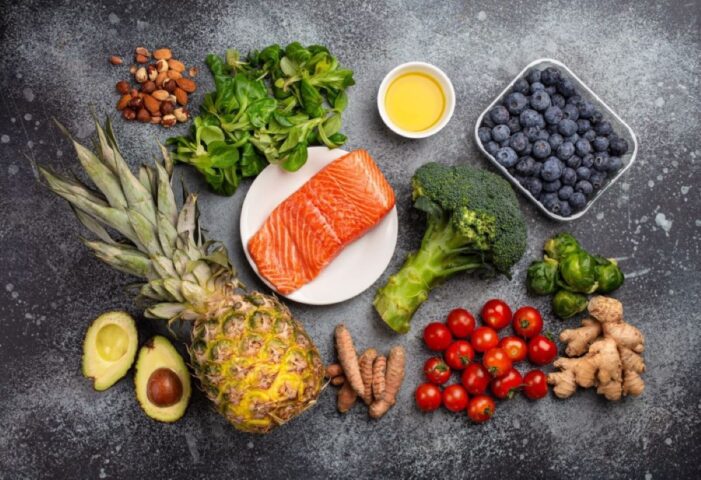
Aim for:
- Lean protein (fish, chicken, legumes)
- Plenty of vegetables
- Healthy fats (olive oil, avocado, nuts)
Questions You Can Ask the Server
Don’t hesitate to ask:
- What oil is used for cooking?
- Can sauces be served on the side?
- Can dishes be grilled instead of fried?
Most restaurants are happy to accommodate simple requests.
How Eating High-Inflammation Foods Affects Long-Term Health
Regular consumption of inflammatory foods can lead to:
- Weight gain
- Digestive disorders
- Joint pain
- Heart disease
- Low energy and brain fog
Reducing inflammation improves energy, digestion, skin health, and overall fitness.
Internal Linking Suggestions (For dailyhealthportal.com)
- Link to anti-inflammatory diet guides
- Link to gut health improvement articles
- Link to healthy eating out tips
- Link to foods that reduce inflammation
FAQs: High-Inflammation Foods on Menus
1. What are the most inflammatory foods in restaurants?
Fried foods, sugary sauces, processed meats, refined carbs, and dishes cooked in seed oils are among the most inflammatory restaurant foods.
2. Are fried foods always inflammatory?
Most fried foods are inflammatory due to refined oils and high heat. Even healthy ingredients become inflammatory when deep-fried repeatedly.
3. Is grilled food always a better choice?
Grilled food is usually better, but it depends on the oil and sauces used. Asking for minimal oil and sauce on the side makes it healthier.
4. Can vegetarian or vegan food still be inflammatory?
Yes. Many plant-based menu items are ultra-processed and cooked in seed oils, making them inflammatory despite being meat-free.
5. How does sugar increase inflammation?
Sugar spikes blood glucose and insulin levels, triggering inflammatory responses and increasing fat storage over time.
6. Are dairy foods always inflammatory?
Not for everyone, but many adults are sensitive to dairy. Creamy sauces and large amounts of cheese commonly cause inflammation.
7. How often is it okay to eat inflammatory foods?
Occasional consumption is fine, but frequent intake increases the risk of chronic inflammation and long-term health problems.