Standing for long hours is a daily reality for millions of people—healthcare workers, teachers, retail staff, factory workers, chefs, security personnel, and many others. While standing may seem harmless compared to heavy labor, prolonged standing can quietly damage your muscles, joints, circulation, and posture if your body is not properly trained.
The good news? Your body can be trained to handle long hours of standing without pain, fatigue, or long-term health problems. With the right exercises, posture habits, footwear, nutrition, and recovery strategies, you can stand longer while staying strong, balanced, and pain-free.
This in-depth guide explains how to train your body for long hours of standing, using simple, practical, and science-backed fitness strategies that actually work.
Why Standing for Long Hours Is Hard on the Body
Standing places continuous stress on specific muscle groups. Unlike walking or sitting, standing requires constant muscle activation with little movement, which reduces blood flow and increases fatigue.
Common Problems Caused by Prolonged Standing
- Foot pain and plantar fasciitis
- Swollen ankles and legs
- Lower back pain
- Knee and hip discomfort
- Varicose veins
- Poor posture and spinal compression
- Chronic fatigue
Without training, these issues worsen over time and may lead to long-term musculoskeletal disorders.
How the Body Adapts to Standing (And Why Training Matters)
Your body adapts to repeated stress through muscle endurance, joint stability, and improved circulation. However, adaptation only happens when the right muscles are trained correctly.
Key Muscle Groups Involved in Standing
- Feet and calves – support body weight
- Quadriceps and hamstrings – stabilize knees
- Glutes – support hips and pelvis
- Core muscles – maintain posture
- Lower back muscles – support spinal alignment
Training these areas improves endurance and reduces strain on joints.
Step 1: Build Foot and Ankle Strength
Your feet are your foundation. Weak feet cause pain that travels upward into knees, hips, and back.
Exercises to Strengthen Feet and Ankles
1. Calf Raises
- Stand upright and slowly rise onto your toes
- Hold for 2 seconds, then lower
- Do 3 sets of 15–20 reps
Benefits: Improves calf endurance and ankle stability
2. Toe Spreading
- Stand barefoot
- Spread your toes as wide as possible
- Hold for 5 seconds
- Repeat 10–15 times
Benefits: Strengthens foot muscles and improves balance
3. Ankle Circles
- Lift one foot and rotate ankle clockwise and anti-clockwise
- 15 rotations each side
Benefits: Improves joint mobility and blood flow
Step 2: Strengthen Your Legs for Endurance
Strong legs reduce pressure on joints and help maintain posture during long standing hours.
Best Leg Exercises for Standing Jobs
Squats
- Keep chest upright and knees aligned
- Lower slowly, then rise
- 3 sets of 12–15 reps
Targets: Quads, hamstrings, glutes
Wall Sits
- Lean against a wall and lower into a seated position
- Hold for 30–60 seconds
- Repeat 3 times
Builds: Static endurance needed for prolonged standing
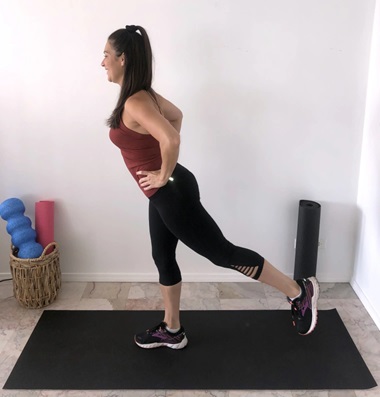
Lunges
- Step forward and lower body
- Keep torso straight
- 10 reps per leg
Improves: Balance and hip stability
Step 3: Train Your Core for Postural Support
A weak core leads to slouching, which increases lower back pain during standing.
Core Exercises That Support Long Standing
Plank Hold
- Keep body straight from head to heels
- Hold for 30–60 seconds
- Repeat 3 times
Dead Bug Exercise
- Lie on your back, arms and legs raised
- Slowly lower opposite arm and leg
- 10–12 reps
Benefits: Improves spinal stability without strain
Step 4: Improve Posture for Standing Efficiency
Poor posture wastes energy and increases muscle fatigue.
Correct Standing Posture Checklist
- Head aligned over shoulders
- Shoulders relaxed, not rounded
- Core slightly engaged
- Knees soft (not locked)
- Weight evenly distributed on both feet
Tip: Avoid leaning on one leg for long periods.
Step 5: Practice Micro-Movements While Standing
Static standing is the real problem—not standing itself.
Simple Movements to Reduce Fatigue
- Shift weight every 5–10 minutes
- Rise onto toes occasionally
- Gently bend knees
- Rotate shoulders and neck
These movements restore blood flow and reduce stiffness.
Step 6: Choose the Right Footwear for Long Standing Hours
Shoes can make or break your standing endurance.
What to Look for in Standing Shoes
- Cushioned sole
- Arch support
- Wide toe box
- Shock absorption
- Non-slip sole
Avoid: Flat soles, worn-out shoes, hard leather soles
For workplaces that allow it, compression socks can also reduce leg swelling.
Step 7: Stretch Daily to Prevent Tightness
Stretching keeps muscles flexible and reduces pain.
Essential Stretches After Standing All Day
- Calf stretch
- Hamstring stretch
- Hip flexor stretch
- Lower back stretch
Hold each stretch for 20–30 seconds, repeat twice.
Step 8: Improve Circulation with Lifestyle Habits
Good circulation is essential for standing endurance.
Simple Circulation Boosters
- Stay hydrated
- Avoid excessive caffeine
- Elevate legs after work
- Take short walks during breaks
Hydration tip: Dehydration worsens muscle fatigue and foot pain.
Step 9: Nutrition to Support Standing Jobs
Your muscles need proper fuel to handle long hours.
Best Foods for Muscle Endurance
- Lean protein (eggs, chicken, fish)
- Complex carbs (oats, brown rice)
- Magnesium-rich foods (nuts, seeds)
- Potassium-rich foods (bananas, sweet potatoes)
Avoid heavy junk food during work—it increases fatigue.
Step 10: Gradually Increase Standing Tolerance
Just like training for a marathon, standing endurance builds gradually.
Progressive Training Plan
- Start with shorter standing durations
- Add 15–30 minutes weekly
- Combine standing with movement
- Track pain and recovery
Consistency is more important than intensity.
Common Mistakes to Avoid When Standing Long Hours
- Locking knees
- Ignoring foot pain
- Wearing poor footwear
- Skipping recovery
- Standing completely still
Correcting these mistakes can immediately reduce discomfort.
Long-Term Benefits of Training Your Body for Standing
With proper training, you will notice:
- Less foot and back pain
- Better posture
- Improved stamina
- Reduced fatigue
- Lower risk of joint problems
Standing becomes manageable, not exhausting.
Internal Linking Suggestions (For dailyhealthportal.com)
- Benefits of Daily Stretching for Muscle Health
- Best Exercises for Lower Back Pain Relief
- How to Improve Posture Naturally
- Foot Care Tips for Active Professionals
FAQs: How to Train Your Body for Long Hours of Standing
1. Is standing all day bad for your health?
Standing all day without movement can cause foot pain, back pain, and circulation issues. However, when combined with proper posture, movement, strength training, and supportive footwear, standing can be managed safely without long-term health damage.
2. How long does it take to adapt to standing long hours?
Most people notice improvement within 2–4 weeks of consistent strength training, stretching, and posture correction. Full adaptation depends on fitness level, body weight, footwear quality, and recovery habits.
3. What exercises help the most for standing jobs?
Calf raises, squats, wall sits, planks, and foot-strengthening exercises are highly effective. These build endurance in muscles that support your body during prolonged standing.
4. Can compression socks help with standing fatigue?
Yes, compression socks improve blood circulation, reduce leg swelling, and help prevent fatigue and varicose veins, especially for people who stand for extended periods daily.
5. Should I sit whenever possible during long standing shifts?
Yes. Alternating between sitting, standing, and walking reduces strain. Even short sitting breaks help restore circulation and reduce muscle fatigue.
6. Why do my feet hurt more than my back when standing?
Foot pain often occurs due to weak foot muscles, poor footwear, or lack of arch support. Strengthening feet and choosing cushioned shoes can significantly reduce pain.
7. Does posture really matter when standing?
Absolutely. Poor posture increases pressure on the spine and muscles, leading to faster fatigue and pain. Correct posture allows muscles to work efficiently and reduces stress.
8. What is the best recovery method after standing all day?
Leg elevation, stretching, hydration, and light walking help the most. A warm foot soak or gentle massage can also reduce soreness and improve recovery.