Meta Title
How Eating Pace Affects Digestion | Improve Gut Health Naturally
Meta Description
Discover how eating pace affects digestion, gut health, bloating, and weight management. Learn practical tips to slow down eating and improve digestive health naturally.
Introduction: Why Eating Pace Matters for Digestion
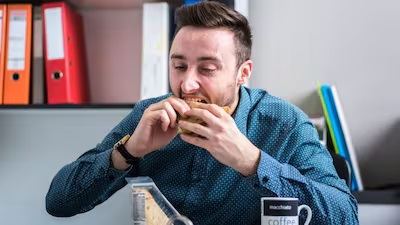
In today’s fast-paced lifestyle, most people focus on what they eat but ignore how they eat. Eating quickly has become a habit—whether it’s grabbing breakfast on the go, eating lunch at a desk, or rushing through dinner after a long day. However, research shows that eating pace plays a major role in digestion, gut health, nutrient absorption, and overall wellness.
Your digestive system is designed to work efficiently when food is consumed slowly and mindfully. When meals are rushed, digestion suffers, leading to problems like bloating, acid reflux, indigestion, and even weight gain. Understanding how eating pace affects digestion can help you make small changes that produce long-term health benefits.
This article explores the science behind eating speed, its impact on digestive health, and practical ways to develop healthier eating habits.

Understanding the Digestive Process
How Digestion Begins in the Mouth
Digestion doesn’t start in the stomach—it starts in the mouth. Chewing breaks food into smaller particles while saliva releases digestive enzymes such as amylase, which begins breaking down carbohydrates.
When you eat slowly:
- Food is properly chewed
- Saliva mixes thoroughly with food
- Digestive enzymes activate efficiently
When you eat fast:
- Food enters the stomach in large chunks
- The stomach works harder
- Digestion becomes slower and less efficient
Proper chewing is the foundation of healthy digestion.
The Role of the Stomach and Gut
Once food reaches the stomach, it mixes with gastric acids and enzymes to break down proteins and fats. From there, nutrients are absorbed in the small intestine and waste moves to the colon.
A slow eating pace supports:
- Better stomach emptying
- Reduced gas and bloating
- Improved nutrient absorption
A fast eating pace can overwhelm the digestive system and disrupt gut balance.
How Eating Too Fast Harms Digestion
1. Increased Risk of Bloating and Gas
Eating quickly often causes you to swallow excess air. This trapped air leads to:
- Abdominal bloating
- Excess gas
- Discomfort after meals
Slow eating reduces air intake and helps the digestive tract process food smoothly.
2. Poor Nutrient Absorption
When food isn’t chewed properly, nutrients are not fully released. This can lead to:
- Vitamin and mineral deficiencies
- Low energy levels
- Weak immune function
Even a healthy diet loses value if digestion is inefficient.
3. Acid Reflux and Heartburn
Fast eating increases pressure in the stomach, which can force acid back into the esophagus. This leads to:
- Acid reflux
- Heartburn
- Chest discomfort
Eating slowly allows the stomach to manage acid production more effectively.
4. Overeating and Weight Gain
Your brain takes about 20 minutes to receive fullness signals from the stomach. When you eat too fast:
- You consume more calories before feeling full
- Hunger hormones remain active
- Weight gain becomes more likely
Slower eating improves portion control naturally.
Benefits of Eating Slowly for Digestive Health
1. Improved Gut Health
A steady eating pace supports healthy gut bacteria. A balanced gut microbiome helps with:
- Digestion
- Immunity
- Mental health
Mindful eating reduces digestive stress and inflammation.
2. Better Blood Sugar Control
Eating quickly can spike blood sugar levels, especially after carbohydrate-rich meals. Slow eating:
- Stabilizes glucose release
- Reduces insulin spikes
- Lowers risk of type 2 diabetes
This is especially important for people with insulin resistance.
3. Enhanced Mind-Body Connection
Eating slowly improves awareness of hunger and fullness cues. This leads to:
- Better food choices
- Reduced emotional eating
- Improved relationship with food
Mindful eating supports both physical and mental well-being.
Scientific Studies on Eating Pace and Digestion
Several studies support the connection between eating speed and digestive health:
- Research published in The Journal of Nutrition shows that slow eating improves satiety hormones.
- Studies link fast eating to higher BMI and metabolic disorders.
- Mindful eating interventions have been shown to reduce digestive symptoms like bloating and reflux.
Science confirms what traditional wisdom has always suggested—slow eating is healthier.
Common Habits That Promote Fast Eating
Eating While Distracted
- Watching TV
- Using smartphones
- Working during meals
Distractions reduce awareness and increase eating speed.
Skipping Meals
When meals are skipped, hunger becomes extreme, leading to:
- Rapid eating
- Poor digestion
- Overeating
Regular meal timing helps maintain a steady pace.
Stress and Emotional Eating
Stress triggers fast eating and poor chewing. Chronic stress also affects gut health directly through the gut-brain axis.
Practical Tips to Slow Down Your Eating Pace
1. Chew Each Bite Thoroughly
Aim to chew food 20–30 times per bite. This may feel excessive at first, but it significantly improves digestion.
2. Put Your Fork Down Between Bites
This simple habit prevents continuous eating and allows time for fullness signals to activate.
3. Eat Without Screens
Remove distractions and focus on:
- Taste
- Texture
- Aroma
Mindful eating enhances satisfaction and digestion.
4. Take Smaller Bites
Smaller bites naturally slow eating and improve chewing efficiency.
5. Set a Meal Timer
Try to spend at least 20–30 minutes on each main meal. This aligns with your body’s natural digestion rhythm.
Eating Pace and Different Age Groups
Children and Teens
Fast eating habits in childhood can:
- Lead to poor digestion
- Increase obesity risk
- Affect long-term health
Encouraging mindful eating early builds lifelong habits.
Adults
Busy schedules make adults more prone to rushed meals. Slowing down supports:
- Digestive comfort
- Weight management
- Energy levels
Older Adults
Slow eating is especially important for seniors to:
- Improve nutrient absorption
- Prevent indigestion
- Support overall gut health
Eating Pace vs. Meal Composition
While food quality matters, eating pace can enhance or reduce the benefits of healthy foods. Even nutrient-dense meals lose value if consumed too quickly.
Combining:
- Whole foods
- Balanced meals
- Slow eating habits
creates optimal digestive conditions.
Internal Linking Suggestions (for DailyHealthPortal.com)
- Benefits of Mindful Eating for Mental Health
- Best Foods for Gut Health and Digestion
- How Stress Affects Digestive Health
(Internal links improve SEO and user engagement.)
Final Thoughts: Small Changes, Big Digestive Benefits
Eating pace is one of the most overlooked factors in digestive health. Slowing down doesn’t require special diets or supplements—just awareness and consistency. By chewing thoroughly, eating mindfully, and respecting your body’s natural signals, you can dramatically improve digestion, reduce discomfort, and support long-term health.
Healthy digestion starts not just with what you eat—but how you eat.
FAQs: How Eating Pace Affects Digestion
1. Does eating fast really cause digestive problems?
Yes, eating fast can lead to bloating, indigestion, acid reflux, and poor nutrient absorption. When food isn’t chewed properly, the digestive system struggles to break it down efficiently, increasing discomfort and long-term gut issues.
2. How long should a meal ideally last for good digestion?
A healthy meal should last at least 20–30 minutes. This allows the brain to receive fullness signals and gives the digestive system enough time to process food effectively.
3. Can slow eating help with weight loss?
Yes, slow eating helps control appetite by improving satiety hormones. It reduces overeating, supports portion control, and promotes better digestion, which can naturally aid weight management.
4. Is chewing more important than eating speed?
Both are closely connected. Chewing thoroughly naturally slows eating pace and improves digestion. Proper chewing allows enzymes to work efficiently and reduces digestive strain.
5. Does eating pace affect gut bacteria?
Yes, slow eating supports a healthier gut environment. Reduced digestive stress helps maintain balanced gut bacteria, which plays a key role in digestion, immunity, and overall health.
6. Can mindful eating reduce bloating?
Mindful eating reduces air swallowing and improves chewing, which significantly lowers bloating and gas. It also helps identify food sensitivities more easily.
7. Is fast eating linked to acid reflux?
Yes, fast eating increases stomach pressure and acid production, making acid reflux more likely. Eating slowly allows better acid control and reduces reflux symptoms.
8. How can I train myself to eat slower?
Start with small habits like putting utensils down between bites, eating without distractions, and chewing each bite thoroughly. Consistency turns these actions into long-term habits.