Meta Title
How to Maintain Fitness With Minimal Daily Movement | Easy Daily Fitness Tips
Meta Description
Learn how to maintain fitness with minimal daily movement using simple habits, light exercises, and smart lifestyle changes. Stay healthy even with a busy or sedentary routine.
Introduction: Fitness Is Possible Even With Limited Movement
Many people believe that staying fit requires intense workouts, long gym sessions, or high daily activity levels. However, this is not always true. In reality, you can maintain fitness with minimal daily movement by making smart, consistent choices that support your body’s natural strength, flexibility, and metabolism.
Busy schedules, desk jobs, remote work, health limitations, and lack of time often reduce daily movement. The good news is that fitness is not about how much you move, but how well you move. Small actions done consistently can protect muscle strength, improve circulation, support joint health, and maintain overall well-being.
This article explains how to stay fit with limited movement, why it works, and how to apply simple strategies that fit easily into daily life.

Understanding Fitness Beyond Intense Exercise
What Does “Fitness” Really Mean?
Fitness is not only about running or lifting weights. It includes:
- Muscle strength
- Joint mobility
- Cardiovascular health
- Balance and flexibility
- Metabolic efficiency
Even low levels of movement can maintain these areas when done intentionally.
Why Minimal Movement Still Matters
Your body responds positively to:
- Regular light activity
- Short bursts of movement
- Proper posture and muscle engagement
These actions keep muscles active, prevent stiffness, and support circulation throughout the day.
Why Many People Struggle With Daily Movement
Sedentary Work and Lifestyle
Modern lifestyles involve:
- Desk jobs
- Long screen time
- Extended sitting
This reduces natural movement without people realizing it.
Lack of Time and Energy
After long workdays, many people feel:
- Mentally drained
- Physically tired
- Unmotivated to exercise
Minimal-movement fitness removes the pressure of “working out.”
Physical Limitations or Health Conditions
Joint pain, injuries, or medical conditions may limit intense exercise. Low-impact movement becomes essential for staying fit safely.
How Minimal Daily Movement Maintains Fitness
1. Keeps Muscles Active
Even gentle movement prevents muscle loss by:
- Activating muscle fibers
- Maintaining strength
- Reducing stiffness
This is especially important as people age.
2. Supports Joint Health and Mobility
Light movement helps:
- Lubricate joints
- Reduce stiffness
- Improve flexibility
It also lowers the risk of joint pain caused by inactivity.
3. Improves Blood Circulation
Small movements encourage:
- Better oxygen delivery
- Reduced swelling
- Lower risk of blood pooling
Improved circulation boosts overall energy levels.
4. Maintains Metabolic Health
Regular light movement:
- Supports insulin sensitivity
- Helps regulate blood sugar
- Prevents metabolic slowdown
This is crucial for long-term health.
Simple Ways to Stay Fit With Minimal Daily Movement
1. Practice Micro-Movements Throughout the Day
Micro-movements are short, low-effort actions such as:
- Standing up every 30–60 minutes
- Stretching arms and legs
- Gentle neck and shoulder rolls
These movements keep the body engaged without causing fatigue.
2. Use Isometric Exercises
Isometric exercises involve muscle contraction without movement. Examples include:
- Wall sits
- Plank holds
- Seated core tightening
They build strength with minimal space and effort.
3. Improve Posture and Muscle Engagement
Good posture activates core and back muscles naturally. Focus on:
- Sitting upright
- Engaging the core while standing
- Avoiding slouching
Proper posture alone burns more energy than poor posture.
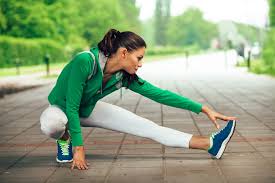
4. Incorporate Light Stretching
Stretching improves flexibility and circulation. Try:
- Morning stretches
- Desk-friendly stretches
- Gentle evening mobility routines
Stretching reduces muscle tightness caused by inactivity.
5. Walk Whenever Possible
Even short walks help maintain fitness:
- 5–10 minutes after meals
- Walking during phone calls
- Parking farther away
Walking is low-impact yet highly effective.
Minimal Movement Exercises You Can Do Anywhere
Seated Exercises
- Leg lifts
- Ankle rotations
- Seated marches
Perfect for office or home environments.
Standing Exercises
- Calf raises
- Wall push-ups
- Side leg lifts
These require no equipment and minimal space.
Bed or Floor Exercises
- Glute bridges
- Gentle core engagement
- Stretch-based movements
Ideal for people with limited mobility.
The Role of Consistency Over Intensity
Why Daily Habits Matter More
Fitness depends more on frequency than intensity. Daily light movement:
- Prevents stiffness
- Maintains muscle tone
- Supports long-term health
Skipping intense workouts is fine when daily movement is consistent.
Avoiding the “All or Nothing” Mindset
You don’t need to exercise hard to be healthy. Doing something daily is far better than doing nothing while waiting for motivation.
Nutrition and Hydration Support Minimal-Movement Fitness
Eating to Support Low Activity Levels
When movement is limited:
- Focus on nutrient-dense foods
- Avoid excessive calories
- Prioritize protein and fiber
This supports muscle maintenance and digestion.
Staying Hydrated
Proper hydration:
- Supports circulation
- Prevents muscle cramps
- Improves energy levels
Even mild dehydration affects physical performance.
Fitness for Different Lifestyles
Office Workers
- Desk stretches
- Standing breaks
- Posture awareness
These reduce the effects of prolonged sitting.
Remote Workers
- Short movement breaks
- Home-based exercises
- Walking routines
Structure helps maintain consistency.
Older Adults
Minimal movement helps:
- Maintain balance
- Reduce fall risk
- Support joint health
Low-impact activity is both safe and effective.
Common Mistakes to Avoid
- Sitting for long hours without breaks
- Ignoring posture
- Skipping movement completely due to lack of time
- Believing fitness requires intense workouts
Small changes create sustainable results.
Internal Linking Suggestions (for DailyHealthPortal.com)
- Benefits of Light Exercise for Joint Health
- How Sedentary Lifestyle Affects Your Body
- Simple Stretching Routines for Busy People
(These internal links improve SEO and user retention.)
Final Thoughts: Fitness Is About Smart Movement
Maintaining fitness does not require extreme effort or long workouts. By focusing on minimal daily movement, posture, consistency, and mindful habits, you can stay active, strong, and healthy even with a busy or sedentary lifestyle.
Fitness is built through small actions repeated daily—not through occasional intense effort.
FAQs: How to Maintain Fitness With Minimal Daily Movement
1. Can minimal movement really keep me fit?
Yes, minimal daily movement helps maintain muscle activity, joint mobility, and circulation. While it may not build extreme strength, it effectively supports overall fitness and prevents physical decline.
2. How much movement do I need each day to stay healthy?
Even 15–30 minutes of light movement, spread throughout the day, can support fitness. Short, frequent movement breaks are often more effective than one long session.
3. Is walking enough to maintain fitness?
Walking is one of the best low-impact activities. Combined with light stretching and posture awareness, it can help maintain cardiovascular health and muscle tone.
4. What are the best exercises for people with limited mobility?
Seated exercises, isometric holds, gentle stretches, and light standing movements are ideal. These exercises reduce strain while keeping muscles active.
5. Does posture really affect fitness?
Yes, good posture engages core and back muscles continuously. Poor posture weakens muscles and increases fatigue, while proper alignment supports strength and balance.
6. Can I stay fit without going to the gym?
Absolutely. Fitness can be maintained at home or work using bodyweight movements, walking, and daily activity habits without any gym equipment.
7. How does minimal movement help metabolism?
Regular light movement supports insulin sensitivity and prevents metabolic slowdown. Sitting for long periods without movement negatively affects metabolism.
8. Is minimal movement suitable for older adults?
Yes, minimal movement is especially beneficial for older adults. It supports joint health, balance, circulation, and reduces the risk of falls and stiffness.