
Meta Title
Understanding the Rise of Non-Alcoholic Fatty Liver Disease (NAFLD) | Daily Health Portal
Meta Description
Non-Alcoholic Fatty Liver Disease is rising rapidly in the USA and UK. Learn causes, symptoms, risk factors, prevention tips, and lifestyle strategies to protect liver health naturally.
Introduction: Why NAFLD Is Becoming a Global Health Concern
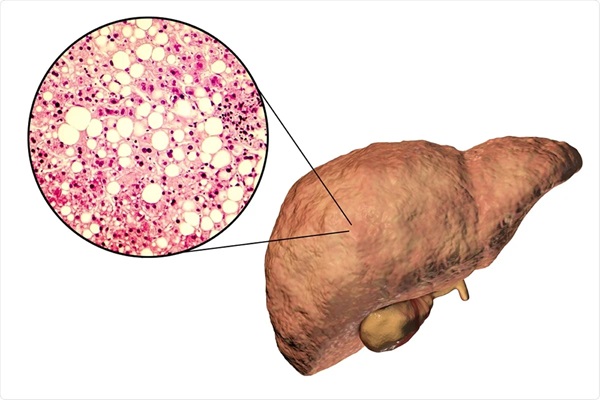
Non-Alcoholic Fatty Liver Disease (NAFLD) has quietly become one of the most common chronic liver conditions in the USA and UK. Once considered rare, it is now affecting millions of adults and children, often without obvious symptoms.
NAFLD occurs when excess fat builds up in the liver of people who drink little or no alcohol. The condition is closely linked to modern lifestyle habits, including poor diet, physical inactivity, obesity, and metabolic disorders.
What makes NAFLD particularly dangerous is that it can progress silently. Many people do not realize they have liver damage until the disease reaches an advanced stage. Understanding why NAFLD is rising, who is at risk, and how it can be prevented is essential for long-term health and fitness.
What Is Non-Alcoholic Fatty Liver Disease?
Understanding Liver Fat Accumulation
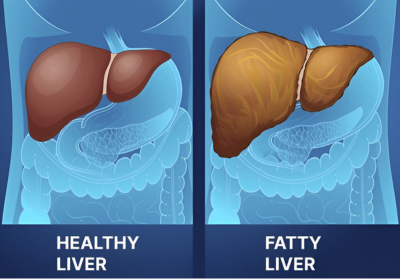
The liver normally contains small amounts of fat. However, NAFLD is diagnosed when more than 5–10% of liver weight consists of fat, without alcohol being the cause.
NAFLD is a spectrum of conditions, not a single disease.
Types of NAFLD
1. Simple Fatty Liver (NAFL)
- Fat accumulation without inflammation
- Often reversible with lifestyle changes
- Usually causes no permanent liver damage
2. Non-Alcoholic Steatohepatitis (NASH)
- Fat buildup plus inflammation and liver cell damage
- Can progress to fibrosis, cirrhosis, or liver cancer
- Considered a serious and potentially life-threatening condition
Why Is NAFLD Increasing So Rapidly?
1. Rise in Obesity and Overweight Populations
Obesity is the strongest risk factor for NAFLD. In both the USA and UK, obesity rates have reached record levels due to:
- High-calorie processed foods
- Sugary beverages
- Sedentary lifestyles
Excess body fat increases insulin resistance, leading to fat storage in the liver.
2. Poor Dietary Patterns
Modern diets are often high in:
- Refined carbohydrates
- Added sugars (especially fructose)
- Unhealthy trans and saturated fats
Frequent consumption of fast food, packaged snacks, and sweetened drinks places significant stress on the liver, forcing it to convert excess sugar into fat.
3. Physical Inactivity
Lack of regular exercise slows metabolism and reduces the body’s ability to burn fat efficiently. A sedentary lifestyle contributes to:
- Weight gain
- Insulin resistance
- Increased liver fat accumulation
Even individuals with a normal body weight can develop NAFLD if they are inactive.
4. Insulin Resistance and Type 2 Diabetes
People with type 2 diabetes or prediabetes are at very high risk of developing NAFLD. Insulin resistance causes:
- Increased fat release from fat tissues
- Reduced fat breakdown in the liver
- Chronic liver inflammation
NAFLD and diabetes often worsen each other.
5. Metabolic Syndrome
NAFLD is strongly associated with metabolic syndrome, a cluster of conditions including:
- High blood pressure
- Abdominal obesity
- High triglycerides
- Low HDL cholesterol
Having multiple metabolic risk factors dramatically increases liver disease risk.
Symptoms: Why NAFLD Is Often Missed
Early Stages: Silent Damage
Most people with NAFLD experience no noticeable symptoms. Liver damage can progress for years without pain or warning signs.
Possible Symptoms as Disease Progresses
- Persistent fatigue
- Mild pain or discomfort in the upper right abdomen
- Unexplained weight gain
- Brain fog or difficulty concentrating
Advanced Symptoms (Serious Stages)
- Jaundice (yellowing of skin or eyes)
- Swelling in legs or abdomen
- Easy bruising
- Severe weakness
Who Is Most at Risk?
NAFLD can affect anyone, but certain groups face higher risk:
- Overweight or obese individuals
- People with type 2 diabetes
- Individuals with high cholesterol or triglycerides
- Adults over 40
- Children with obesity
- People with a family history of liver disease
Importantly, “lean NAFLD” is increasingly recognized, where normal-weight individuals develop fatty liver due to poor diet and inactivity.
Health Complications Linked to NAFLD
1. Liver Fibrosis and Cirrhosis
Chronic inflammation can lead to scarring of liver tissue, reducing liver function permanently.
2. Liver Cancer
NAFLD-related cirrhosis significantly increases the risk of hepatocellular carcinoma, even in non-drinkers.
3. Cardiovascular Disease
Heart disease is the leading cause of death in people with NAFLD. Fatty liver is closely linked to:
- Atherosclerosis
- Heart attacks
- Stroke
4. Kidney Disease
NAFLD increases the risk of chronic kidney disease due to systemic inflammation and insulin resistance.
How NAFLD Is Diagnosed
Doctors may use a combination of:
- Blood tests (elevated liver enzymes)
- Ultrasound or MRI imaging
- FibroScan to measure liver stiffness
- Liver biopsy in severe or unclear cases
Early diagnosis allows reversal through lifestyle changes.
Can NAFLD Be Reversed?
The Good News
In most cases, NAFLD is reversible, especially in early stages. There is currently no approved medication, but lifestyle modification is extremely effective.
Best Lifestyle Strategies to Prevent and Reverse NAFLD
1. Adopt a Liver-Friendly Diet
Focus on:
- Whole foods
- Fresh vegetables and fruits
- Lean proteins
- Healthy fats like olive oil and nuts
Reduce:
- Sugary drinks
- Processed foods
- Refined carbs
The Mediterranean diet is strongly linked to improved liver health.
2. Achieve Sustainable Weight Loss
Losing just 5–10% of body weight can:
- Reduce liver fat
- Improve insulin sensitivity
- Decrease inflammation
Avoid crash diets, which can worsen liver stress.
3. Exercise Regularly
Aim for:
- 150–300 minutes of moderate activity weekly
- Strength training 2–3 times per week
Exercise improves liver fat metabolism even without weight loss.
4. Improve Sleep and Stress Management
Poor sleep and chronic stress increase insulin resistance and inflammation. Prioritize:
- 7–9 hours of sleep
- Stress-reduction techniques like walking, yoga, or breathing exercises
5. Limit Alcohol and Medications
Although NAFLD is non-alcoholic, alcohol still worsens liver damage. Avoid unnecessary medications and supplements that strain the liver.
NAFLD in Children and Teenagers
Childhood obesity has led to a sharp increase in pediatric NAFLD. Early exposure to sugary foods and screen-based lifestyles puts children at risk of lifelong liver disease.
Prevention includes:
- Balanced family meals
- Reduced screen time
- Encouraging outdoor physical activity
Future Outlook: Why Awareness Matters
NAFLD is expected to become the leading cause of liver transplantation in coming decades. Public awareness, early screening, and lifestyle education are essential to reduce long-term healthcare burden.
Websites like Daily Health Portal play a critical role in spreading accurate, actionable health information to help people make informed choices.
Internal Linking Suggestions (For DailyHealthPortal.com)
- Healthy Diet Plans for Weight Loss
- Benefits of Regular Exercise for Metabolic Health
- How to Reduce Insulin Resistance Naturally
- Signs of Liver Damage You Should Never Ignore
Frequently Asked Questions (FAQs)
1. Can non-alcoholic fatty liver disease go away on its own?
NAFLD usually does not disappear without lifestyle changes. However, with proper diet, weight loss, and regular exercise, early-stage fatty liver disease can be completely reversed. Consistency is key to restoring normal liver function.
2. Is NAFLD dangerous if liver enzymes are normal?
Yes. Many people with NAFLD have normal liver enzyme levels. Fat buildup and inflammation can still exist silently, making imaging tests and risk assessment important even when blood tests appear normal.
3. What foods should be avoided with fatty liver disease?
People with NAFLD should limit sugary drinks, refined carbohydrates, fried foods, processed snacks, and high-fructose corn syrup. These foods increase liver fat accumulation and worsen insulin resistance.
4. Can exercise alone improve fatty liver disease?
Exercise alone can significantly reduce liver fat, even without weight loss. Both aerobic exercise and strength training improve insulin sensitivity and reduce inflammation, making physical activity a cornerstone of NAFLD management.
5. Is non-alcoholic fatty liver disease common in thin people?
Yes, lean individuals can develop NAFLD due to poor diet, lack of exercise, genetics, or metabolic issues. This condition is known as lean NAFLD and is becoming increasingly recognized in the USA and UK.
6. How long does it take to reverse NAFLD naturally?
Improvements in liver fat can occur within a few months of lifestyle changes. Significant reversal typically takes 6–12 months, depending on severity, consistency, and individual metabolic health.
7. Does fatty liver disease cause pain?
Most people experience no pain in early stages. Some may feel mild discomfort in the upper right abdomen. Severe pain is uncommon and may indicate advanced liver disease or complications.