Building lean muscle isn’t just about lifting heavy weights. Nutrition plays a crucial role, and protein is the cornerstone of muscle growth. Protein provides the essential amino acids your body needs to repair and build muscle fibers after workouts. Incorporating high-protein foods into your daily diet can accelerate muscle gain, improve recovery, and even boost metabolism.
In this guide, we’ll explore 12 high-protein foods that help you build lean muscle faster, along with practical tips on how to include them in your diet.
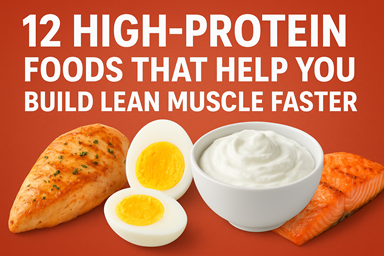
1. Chicken Breast – The Lean Protein Powerhouse
Chicken breast is one of the most popular muscle-building foods for a reason. It’s low in fat and high in protein, making it ideal for lean muscle development.
- Protein content: About 31g per 100g
- Benefits: Helps repair muscle tissue, supports fat loss, and provides sustained energy for workouts
- Tips: Grill, bake, or stir-fry chicken breast with vegetables for a balanced meal. Avoid deep-frying to maintain its lean quality.
2. Eggs – Nutrient-Dense Muscle Fuel
Eggs are a complete protein source, meaning they contain all nine essential amino acids necessary for muscle growth.
- Protein content: 6–7g per large egg
- Benefits: Supports muscle repair, improves strength, and boosts overall nutrition with vitamins like B12 and choline
- Tips: Eat whole eggs for nutrient balance or combine with egg whites to increase protein without extra fat. Omelettes, boiled eggs, and scrambled eggs are great options.
3. Greek Yogurt – High Protein & Probiotics
Greek yogurt is not only rich in protein but also contains probiotics, which improve gut health and nutrient absorption.
- Protein content: 10g per 100g
- Benefits: Slow-digesting casein protein helps sustain muscle repair, especially overnight
- Tips: Opt for plain, unsweetened Greek yogurt and pair it with fruits, nuts, or honey for a muscle-friendly snack.
4. Cottage Cheese – Slow-Digesting Protein
Cottage cheese is another excellent source of casein protein, which digests slowly, providing a steady supply of amino acids.
- Protein content: 11g per 100g
- Benefits: Ideal for nighttime consumption to prevent muscle breakdown during sleep
- Tips: Combine with fruits or a sprinkle of cinnamon for a simple bedtime snack.
5. Lean Beef – Rich in Creatine & Iron
Lean beef is a nutrient-dense protein that not only builds muscle but also improves strength and endurance.
- Protein content: 26g per 100g
- Benefits: Provides essential amino acids, creatine for energy production, and iron to boost oxygen delivery to muscles
- Tips: Choose lean cuts like sirloin or tenderloin. Grilling or baking is preferred over frying.
6. Salmon – Protein Plus Healthy Fats
Salmon is packed with high-quality protein and omega-3 fatty acids, which reduce inflammation and support recovery.
- Protein content: 20g per 100g
- Benefits: Promotes muscle repair, heart health, and joint recovery
- Tips: Grill, bake, or steam salmon. Pair with vegetables or quinoa for a balanced meal.
7. Tuna – Convenient and Protein-Rich
Tuna is an affordable, versatile, and protein-dense food ideal for busy lifestyles.
- Protein content: 25g per 100g
- Benefits: Supports lean muscle growth and is low in fat
- Tips: Canned tuna in water is a convenient option. Add to salads, sandwiches, or rice bowls.
8. Protein Powder – Fast Absorption for Post-Workout
Protein powders are an excellent way to quickly meet your protein needs, especially post-workout.
- Types: Whey, casein, plant-based (pea, soy, or rice protein)
- Benefits: Fast-digesting whey protein supports recovery, while casein provides slow-release protein
- Tips: Mix with water, milk, or smoothies. Combine with a banana or oats for added nutrients.
9. Lentils – Plant-Based Protein Power
Lentils are a great plant-based protein source, perfect for vegetarians and vegans.
- Protein content: 9g per 100g cooked
- Benefits: Supports muscle repair and provides fiber for gut health
- Tips: Combine lentils with rice or whole grains to create a complete protein profile. Soups, salads, and curries are excellent options.
10. Quinoa – Complete Plant Protein
Quinoa is a complete protein, containing all essential amino acids, making it perfect for muscle building.
- Protein content: 8g per 100g cooked
- Benefits: Supports muscle repair, boosts energy, and provides fiber for digestion
- Tips: Use quinoa as a base for salads, stir-fries, or side dishes. Mix with vegetables and beans for a nutritious meal.
11. Almonds – Protein With Healthy Fats
Almonds are a protein-rich snack with healthy fats that support muscle recovery.
- Protein content: 6g per 28g (1 oz)
- Benefits: Provides sustained energy, supports muscle repair, and promotes heart health
- Tips: Eat raw or roasted almonds as a snack. Avoid salted varieties to keep sodium intake low.
12. Edamame – Protein-Rich Soy Snack
Edamame is young soybeans packed with protein and nutrients, ideal for muscle growth.
- Protein content: 11g per 100g
- Benefits: Supports muscle repair, bone health, and overall wellness
- Tips: Steam or boil edamame and sprinkle with a little sea salt. It’s perfect as a snack or addition to salads.
How to Incorporate These Foods Into Your Daily Diet
- Start Your Day with Protein: Eggs or Greek yogurt with fruits.
- Include Protein in Every Meal: Lean meat, fish, or plant-based sources like lentils and quinoa.
- Post-Workout Recovery: Protein shake with banana or oats.
- Healthy Snacks: Almonds or edamame between meals.
- Nighttime Muscle Repair: Cottage cheese before bed.
A well-planned diet with these high-protein foods ensures your body gets a steady supply of amino acids, boosting lean muscle growth while preventing excess fat gain.
FAQs
1. How much protein do I need to build lean muscle?
For muscle growth, aim for 1.6–2.2 grams of protein per kilogram of body weight daily. Spread it across meals to maximize absorption and repair.
2. Can I build muscle with plant-based protein?
Yes, plant proteins like lentils, quinoa, and edamame can build muscle if you consume enough variety to get all essential amino acids.
3. When is the best time to consume protein for muscle growth?
Protein is most effective when consumed throughout the day, especially post-workout to support recovery.
4. Are protein powders necessary for muscle growth?
No, whole foods can provide enough protein. Powders are convenient for busy schedules or post-workout recovery.
5. How can I avoid gaining fat while increasing protein intake?
Focus on lean protein sources, avoid excess calories, and pair protein with vegetables and whole grains to support lean muscle growth.
6. Can I replace meals with protein shakes?
Occasionally yes, but whole foods provide additional vitamins, minerals, and fiber, which are essential for overall health.
7. Is animal protein better than plant protein?
Animal proteins are complete proteins, but combining plant proteins like rice and beans or quinoa and lentils also provides all essential amino acids.
8. How many meals should I eat per day to build muscle?
Eat 4–6 balanced meals with protein spread evenly to optimize muscle repair and growth.
9. Can I eat these proteins on a vegetarian diet?
Absolutely! Foods like lentils, quinoa, edamame, and almonds provide high-quality protein for vegetarians and vegans.
10. How long will it take to see muscle growth with proper protein intake?
With consistent strength training and adequate protein, noticeable muscle growth typically occurs within 8–12 weeks.