Meta Title
Understanding Sodium Levels in Packaged Western Foods | Daily Health Portal
Meta Description
Learn how high sodium levels in packaged Western foods affect blood pressure, heart health, and overall fitness. Discover sources, risks, and healthier choices.
Introduction
Packaged Western foods have become a staple in modern diets across the USA and UK. From ready-to-eat meals and frozen dinners to snacks and sauces, convenience often comes at a nutritional cost. One of the biggest hidden concerns is high sodium content.
Understanding sodium levels in packaged Western foods is essential for protecting heart health, blood pressure, kidney function, and overall fitness. While sodium is necessary for normal body function, excessive intake over time can silently increase the risk of chronic diseases. This article breaks down where sodium hides, how it impacts long-term health, and how you can make smarter food choices.
What Is Sodium and Why Does the Body Need It?
Sodium is a mineral and electrolyte that helps:
- Regulate fluid balance
- Support nerve signaling
- Maintain muscle function
In small amounts, sodium is essential. However, the problem arises when intake consistently exceeds recommended limits, which is common with processed and packaged foods.
Recommended Daily Sodium Intake
- USA: Less than 2,300 mg per day (ideal target: 1,500 mg)
- UK: No more than 6g of salt per day (about 2,400 mg sodium)
Most people unknowingly consume far more than these limits.
Why Packaged Western Foods Are High in Sodium
Food manufacturers add sodium for several reasons:
- Enhance flavor
- Extend shelf life
- Improve texture and preservation
As a result, packaged foods often contain excessive sodium levels, even when they do not taste salty.
Common Packaged Western Foods High in Sodium
1. Ready-to-Eat and Frozen Meals
These meals can contain 700–1,500 mg of sodium per serving, sometimes more than half of the daily recommended limit.
2. Processed Meats
- Bacon
- Sausages
- Deli meats
- Hot dogs
These foods are preserved with salt and sodium-based additives.
3. Snack Foods
- Potato chips
- Crackers
- Popcorn
Even “low-fat” snacks can be high in sodium.
4. Sauces, Dressings, and Condiments
- Ketchup
- Soy sauce
- Salad dressings
- Pasta sauces
A single tablespoon can add significant sodium to meals.
5. Breads and Breakfast Cereals
Many people are surprised to learn that bread is a major sodium source due to frequent consumption.
How Excess Sodium Affects Long-Term Health
1. High Blood Pressure (Hypertension)
Excess sodium causes the body to retain water, increasing blood volume and pressure on blood vessels. Over time, this leads to chronic hypertension, a major risk factor for heart disease and stroke.
2. Increased Risk of Heart Disease and Stroke
High sodium intake strains the heart and damages arteries. This raises the risk of:
- Heart attacks
- Strokes
- Heart failure
Cardiovascular disease remains one of the leading causes of death in Western countries.
3. Kidney Damage
The kidneys work harder to remove excess sodium. Long-term overload may lead to:
- Reduced kidney function
- Kidney stones
- Chronic kidney disease
4. Bone Health and Calcium Loss
High sodium intake increases calcium excretion through urine, which may weaken bones and raise the risk of osteoporosis, especially in older adults.
5. Water Retention and Bloating
Excess sodium often causes:
- Fluid retention
- Swelling in hands and feet
- Abdominal bloating
This can negatively impact daily comfort and fitness performance.
Sodium and Weight Gain: The Hidden Connection
While sodium itself does not contain calories, it can indirectly contribute to weight gain by:
- Increasing thirst and sugary drink consumption
- Encouraging overeating due to enhanced flavor
- Promoting water retention that masks fat loss
Reducing sodium often helps improve body composition awareness.
How to Read Sodium on Nutrition Labels
Understanding food labels is key to reducing intake.
Tips for Reading Labels
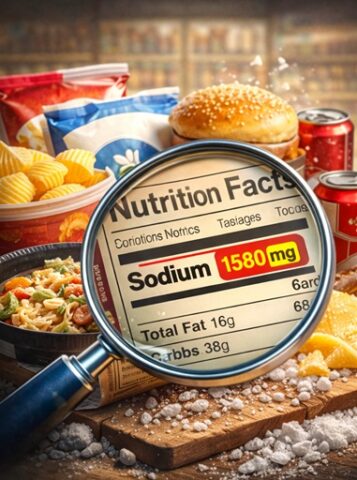
- Look for “sodium” per serving, not just salt
- Check serving sizes carefully
- Choose products with less than 140 mg per serving (low-sodium)
- Be cautious of terms like “reduced sodium” (may still be high)
Practical Tips to Reduce Sodium Intake
Smart Dietary Changes
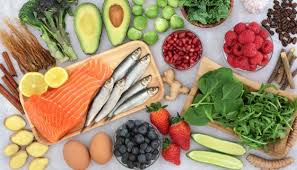
- Choose fresh, whole foods whenever possible
- Cook at home using herbs and spices instead of salt
- Rinse canned vegetables and beans
- Opt for low-sodium or no-added-salt versions
Lifestyle Adjustments
- Limit fast food and takeaway meals
- Avoid adding extra salt at the table
- Balance sodium intake with potassium-rich foods (bananas, spinach, sweet potatoes)
Sodium Awareness for Specific Groups
Children and Teenagers
Early exposure to high-sodium foods can shape taste preferences and increase lifetime disease risk.
Older Adults
Age-related blood pressure changes make sodium reduction even more important.
Athletes and Active Individuals
While sodium loss occurs through sweat, excessive intake from packaged foods is still harmful. Balance is key.
The Role of Food Industry and Future Trends
Health authorities in the USA and UK are encouraging food manufacturers to reduce sodium levels. Some brands now offer reformulated products, but consumer awareness remains essential.
Conclusion
Understanding sodium levels in packaged Western foods empowers you to make healthier choices. While sodium is necessary for survival, excessive intake from processed foods can quietly damage heart health, kidneys, bones, and overall fitness.
By reading labels, choosing fresh alternatives, and cooking mindfully, you can significantly reduce sodium intake and support long-term health without sacrificing flavor.
Frequently Asked Questions (FAQs)
1. Why are packaged foods so high in sodium?
Packaged foods use sodium to enhance taste, preserve freshness, and extend shelf life. Unfortunately, this often leads to sodium levels far above daily recommended limits.
2. How much sodium is too much in one meal?
A single meal should ideally contain no more than 500–600 mg of sodium. Many packaged meals exceed 1,000 mg, which is nearly half of the daily limit.
3. Is sea salt healthier than regular salt?
Sea salt and table salt contain similar sodium levels. The difference is minimal, so moderation is still essential regardless of salt type.
4. Can high sodium intake cause immediate symptoms?
Short-term effects may include bloating, thirst, and water retention. Long-term excessive intake increases the risk of hypertension, heart disease, and kidney damage.
5. Are low-sodium products always healthy?
Not necessarily. Low-sodium products may still be high in sugar, unhealthy fats, or additives. Always review the full nutrition label.
6. How can I reduce sodium without losing flavor?
Use herbs, spices, lemon juice, garlic, vinegar, and natural seasonings. These enhance flavor without increasing sodium intake.
7. Does drinking more water reduce sodium effects?
Drinking water helps balance fluids but does not fully counteract high sodium intake. Reducing sodium at the source is more effective.
8. Should athletes worry about sodium intake?
Athletes need sodium for hydration, but excess intake from processed foods is still harmful. Sodium should come from balanced, whole-food sources rather than packaged meals.