Introduction
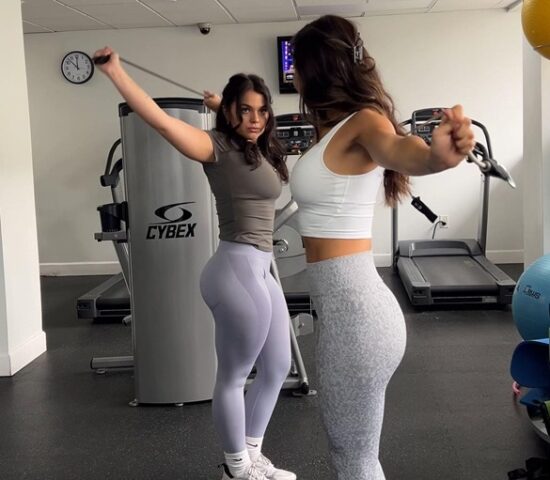
Strength training is one of the most powerful tools for improving long-term health, especially for women over 40. As the body changes with age—slowing metabolism, decreasing muscle mass, and fluctuating hormones—lifting weights becomes essential rather than optional. Contrary to old myths, strength training does not make women bulky; instead, it helps them stay lean, strong, and energised.
This guide breaks down the science-backed benefits, practical workout tips, and ways to safely begin strength training at any age. Whether you’re new to fitness or restarting after years, these insights will help you build confidence and lasting results.
Why Strength Training Matters After 40
Turning 40 often brings noticeable physical changes—slower metabolism, reduced muscle mass, weaker bones, and higher fat storage. Strength training directly counters these changes.
Here’s why it becomes even more important:
1. Builds Lean Muscle Mass
Women naturally lose 3–8% of muscle mass per decade after age 30, and this accelerates after 40. Strength training stimulates muscle protein synthesis, helping rebuild lost muscle. More muscle means:
- Higher resting metabolism
- Better mobility and posture
- Improved strength for daily activities
2. Boosts Metabolism and Fat Loss
Lean muscle burns more calories than fat. When women over 40 lift weights, their metabolic rate increases even at rest. This helps reduce stubborn belly fat that becomes harder to lose with age.
Bonus: Strength sessions create the “afterburn effect,” meaning calories continue burning even hours after your workout.
3. Supports Hormonal Balance
As oestrogen levels decline, women experience fatigue, mood swings, weight gain, and reduced bone density. Strength training helps by:
- Reducing cortisol (stress hormone)
- Improving mood and energy
- Supporting insulin sensitivity
This makes weight management more manageable.
4. Improves Bone Density
Women over 40 face higher risk of osteoporosis. Strength training increases bone mineral density, especially in the hips and spine. This reduces fracture risk and keeps the skeletal structure strong.
5. Enhances Joint Health and Mobility
Strength exercises support joints by strengthening surrounding muscles, reducing pain associated with:
- Arthritis
- Lower back issues
- Stiffness from a sedentary lifestyle
6. Reduces Risk of Chronic Diseases
Research shows women who strength train have lower risks of:
- Heart disease
- Diabetes
- High blood pressure
- Obesity
It also improves cholesterol levels and enhances cardiovascular health.
7. Boosts Confidence and Mental Well-Being
Strength training releases endorphins, reduces anxiety, and improves mental clarity. Many women report increased confidence as they feel stronger, healthier, and more capable.
Strength Training Tips for Women Over 40
Starting doesn’t require heavy weights or intense gym sessions. Focus on safe, steady progress.
1. Start With Basic Movements
Begin with simple exercises:
- Squats
- Lunges
- Push-ups
- Glute bridges
- Planks
- Rows
These strengthen the major muscle groups and build a solid foundation.
2. Incorporate Resistance Training 2–3 Days Per Week
Consistency matters more than intensity. Two to three weekly sessions deliver visible results without overtraining.
3. Combine Free Weights and Bodyweight Exercises
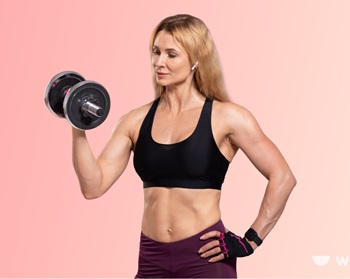
Mixing dumbbells, resistance bands, and bodyweight movements helps activate various muscles, improving strength and stability.
4. Focus on Progressive Overload
Gradually increase intensity by:
- Adding more weight
- Increasing reps
- Slowing down tempo
This ensures continued muscle growth and strength improvement.
5. Give Adequate Recovery Time
Women over 40 need proper rest to prevent injury and hormonal imbalance. Allow at least 48 hours between strength sessions targeting the same muscle group.
6. Prioritise Form Over Heavy Weights
Good form prevents injury. If possible, work with a trainer to learn correct techniques.
7. Add Protein to Every Meal
Protein supports muscle repair and growth. Include:
- Eggs
- Greek yoghurt
- Fish
- Chicken
- Lentils
- Protein smoothies
Aim for 0.8–1.2 grams of protein per kg of body weight.
8. Stay Hydrated and Maintain Electrolytes
Muscles function better when hydrated. Drink water regularly, especially during workouts.
Sample Strength Training Routine for Women Over 40
Here’s a simple 20-minute session you can do anywhere:
Warm-Up (3 Minutes)
- March in place
- Arm circles
- Hip openers
Full-Body Workout (15 Minutes)
1. Squats – 12 reps
Strengthens legs and glutes.
2. Push-ups – 8–12 reps
Great for chest, arms, and core.
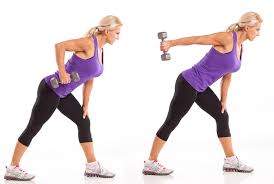
3. Dumbbell Rows – 12 reps each side
Targets upper back and improves posture.
4. Glute Bridges – 15 reps
Strengthens lower back and hips.
5. Plank – 30–45 seconds
Core stability and spinal support.
Repeat the circuit 2–3 times.
Cool Down (2 Minutes)
- Hamstring stretch
- Chest stretch
- Deep breathing
Common Mistakes to Avoid
- Lifting weights that are too heavy too soon
- Ignoring warm-up and mobility work
- Neglecting protein intake
- Training daily without rest
- Using incorrect form
Avoiding these mistakes ensures safe progress.
When to Avoid or Modify Strength Training
Women with the following conditions should consult a professional:
- Osteoporosis with high fracture risk
- Severe arthritis
- Recent surgeries
- Cardiovascular conditions
Modifications and guidance ensure safety.
Final Thoughts
Strength training is one of the most effective ways for women over 40 to stay healthy, energetic, and confident. It supports hormone balance, fat loss, muscle growth, and joint health. Most importantly, it promotes long-term independence and well-being.
With the right routine, proper nutrition, and consistency, achieving a stronger body after 40 is absolutely possible.
FAQs
1. Is strength training safe for women over 40?
Yes, it is completely safe when done with proper form and gradual progression. Women over 40 benefit greatly from improved bone density, muscle strength, and joint health.
2. How often should women over 40 do strength training?
Two to three sessions per week are ideal for building strength without overtraining. Rest days help muscles recover and grow stronger.
3. Do women over 40 need heavy weights to see results?
No. Moderate weights combined with proper technique and progressive overload deliver excellent results. Bodyweight movements are also highly effective.
4. Can strength training help with menopause symptoms?
Yes. It supports hormonal balance, reduces stress, improves mood, and helps manage weight gain commonly linked to menopause.
5. Will strength training make women bulky?
Not at all. Women have lower testosterone levels, so strength training creates a toned and sculpted physique, not bulky muscles.
6. What is the best diet to support strength training?
A balanced diet with high protein, healthy fats, whole grains, and plenty of water supports muscle recovery and energy levels.
7. How long before results are noticeable?
Most women notice improved energy and strength within 2–4 weeks. Visible muscle definition typically appears after 6–12 weeks.
8. Can strength training replace cardio?
Strength training offers metabolic and heart-health benefits, but combining it with light cardio like walking provides a complete fitness routine.