
Meta Title: Best Posture Exercises for Desk Workers – Improve Alignment & Reduce Pain
Meta Description: Discover the best posture exercises for desk workers to reduce back pain, correct body alignment, and stay healthy. Practical tips, routines, and FAQs included.
Working long hours at a desk has become the norm for millions of professionals in the USA and UK. Whether you’re a remote worker, office employee, gamer, freelancer, or student, sitting for extended periods can gradually affect your posture, mobility, and overall health. Poor posture is not just about slouching — it can lead to back pain, neck stiffness, tight hips, headaches, and long-term muscular imbalance.
The good news? You can reverse most posture-related issues with simple, consistent exercises. This comprehensive guide from Daily Health Portal explores the best posture exercises for desk workers, offering practical, easy-to-follow movements designed to improve alignment, reduce pain, and boost overall fitness.
Why Posture Matters for Desk Workers
Good posture is more than standing tall — it’s how your body aligns while sitting, working, and moving throughout the day. Desk workers often develop:
- Rounded shoulders
- Forward head posture
- Tight hip flexors
- Weak glutes
- Lower back discomfort
- Reduced mobility
These issues don’t appear overnight. They build slowly as the body adapts to hours of sitting, poor ergonomics, and repetitive habits. The right posture exercises can restore balance, strengthen weak muscles, and relieve tension accumulated over the day.
Signs You Need Posture Correction
You may need posture exercises if you notice:
- Frequent neck or shoulder pain
- Tightness in the upper or lower back
- Difficulty standing or sitting upright
- Headaches caused by tension
- Slouching when using your phone or laptop
- Reduced mobility in hips or chest
If these symptoms sound familiar, incorporating posture-focused exercises into your daily routine can make a significant difference.
Top Posture Exercises for Desk Workers
Below is a complete list of highly effective exercises. Each one targets specific areas impacted by long hours of sitting. You can perform most of these movements at home or in the office without equipment.
1. Chest Opener Stretch (Pectoral Stretch)
Desk workers often develop tight chest muscles due to constantly leaning forward. This simple stretch helps reverse that tension.
How to do it:
- Stand tall and clasp your hands behind your lower back.
- Lift your chest and pull your shoulders back.
- Gently stretch your arms away from your body.
- Hold for 20–30 seconds.
Benefits:
- Improves shoulder alignment
- Reduces rounded shoulders
- Opens the chest for better breathing
2. Cat-Cow Mobilisation
This classic yoga movement improves spine flexibility and relieves stiffness from prolonged sitting.
How to do it:
- Get on hands and knees.
- Arch your back upward (Cat).
- Dip your back down while lifting your head and chest (Cow).
- Repeat for 10–15 cycles.
Benefits:
- Enhances spinal mobility
- Relieves lower and upper back tension
- Promotes healthy posture
3. Seated Back Extension
A great mid-workday exercise you can do right at your desk.
How to do it:
- Sit up straight with feet flat.
- Place your hands on your lower back.
- Gently arch your back and lift your chest.
- Hold for 5 seconds and repeat 10 times.
Benefits:
- Reduces slouching
- Strengthens lower back
- Encourages upright sitting
4. Scapular Retractions (Shoulder Blade Squeezes)
Sitting for long hours weakens upper back muscles. This exercise reactivates them.
How to do it:
- Sit or stand tall.
- Pull your shoulder blades together.
- Hold for 5 seconds.
- Repeat 15–20 times.
Benefits:
- Strengthens upper back
- Reduces shoulder rounding
- Improves workplace posture
5. Chin Tucks (Neck Alignment Exercise)
Forward head posture is one of the most common issues among desk workers.
How to do it:
- Sit upright with your spine tall.
- Gently tuck your chin inward (like making a double chin).
- Hold for 3–5 seconds.
- Repeat 10–15 times.
Benefits:
- Corrects forward head posture
- Reduces neck pain
- Strengthens deep neck flexors
6. Hip Flexor Stretch
Tight hips are a major cause of poor posture and lower back strain.
How to do it:
- Kneel with one foot forward.
- Lean forward until you feel a stretch in your rear hip.
- Hold for 20–30 seconds.
- Switch sides.
Benefits:
- Reduces hip tightness
- Supports spinal alignment
- Improves mobility for sitting and standing
7. Glute Bridge
Strong glutes support good posture, but prolonged sitting weakens them significantly.
How to do it:
- Lie on your back with knees bent.
- Lift your hips up while engaging your glutes.
- Hold for 2 seconds.
- Repeat 12–15 reps.
Benefits:
- Strengthens glutes and core
- Reduces lower back pain
- Balances hip muscles
8. Wall Angels
One of the best exercises for correcting rounded shoulders and enhancing shoulder mobility.
How to do it:
- Stand with your back against a wall.
- Place your arms against the wall in a “goalpost” shape.
- Slide your arms up and down slowly.
- Repeat 10–12 reps.
Benefits:
- Improves posture
- Strengthens upper back
- Enhances shoulder flexibility
9. Plank Hold
A strong core is essential for maintaining healthy posture throughout the workday.
How to do it:
- Get into a push-up position on your elbows.
- Keep your body straight.
- Hold for 20–40 seconds.
Benefits:
- Enhances core stability
- Improves sitting posture
- Reduces back strain
10. Thoracic Spine Rotation
Great for releasing upper back tension caused by sitting for hours.
How to do it:
- Sit on the floor with legs crossed.
- Twist your upper body to one side.
- Hold for 10 seconds.
- Repeat on the other side.
Benefits:
- Improves spinal mobility
- Reduces tightness between shoulder blades
- Supports better alignment
Quick 10-Minute Daily Routine for Desk Workers
You can combine the above exercises into a short, effective routine:
- 1 minute — Chest Opener
- 1 minute — Cat-Cow
- 1 minute — Shoulder Blade Squeezes
- 1 minute — Chin Tucks
- 2 minutes — Hip Flexor Stretch
- 2 minutes — Wall Angels
- 2 minutes — Plank Hold
This routine fits perfectly into a lunch break or mid-day reset.
Ergonomic Tips to Support Better Posture
Exercise works best when combined with good ergonomics. Here are simple workplace adjustments:
- Use a chair with lumbar support.
- Keep your screen at eye level.
- Maintain 90° angles at hips and knees.
- Avoid crossing your legs while working.
- Take movement breaks every 45–60 minutes.
- Use a standing desk for part of the day.
These habits prevent posture issues from recurring.
Lifestyle Tips for Long-Term Posture Health
- Stay active: Aim for at least 30 minutes of daily movement.
- Stretch frequently: Especially your chest, hips, and upper back.
- Strength training: Build core and back muscles to support alignment.
- Mindful reminders: Keep checking your posture throughout the day.
- Limit phone neck: Hold your phone at eye level.
Small changes done consistently lead to significant improvements.
Internal Linking Suggestions for DailyHealthPortal.com
You may consider linking this article to related topics, such as:
- Best Office Workouts for Busy Professionals
- How to Reduce Back Pain from Sitting Too Long
- Healthy Habits for Remote Workers
- Simple Stretch Routine for Working Adults
These links help improve user engagement and on-site SEO.
FAQs About Posture Exercises for Desk Workers
1. What is the best exercise to improve posture for office workers?
The best all-round exercise is the Wall Angel, as it targets shoulder alignment, upper back strength, and mobility. It helps reverse rounded shoulders caused by long hours of sitting and improves overall posture when done consistently.
2. How often should desk workers do posture exercises?
Ideally, desk workers should perform posture exercises daily or at least 4–5 times a week. Short sessions of 5–10 minutes throughout the day are more effective than one long workout, especially for reducing stiffness and improving mobility.
3. Can posture exercises reduce neck and shoulder pain?
Yes. Posture exercises like chin tucks, scapular retractions, and chest openers help correct forward head posture and shoulder rounding. This reduces stress on neck muscles and alleviates chronic tension and pain.
4. Do I need equipment for posture exercises?
Most posture exercises require no equipment. You can perform them at home, at work, or even during short breaks. Some people use resistance bands for added strength, but they’re optional.
5. How long does it take to fix poor posture?
The timeline varies, but most people notice improvements within 2–6 weeks of consistent stretching and strengthening exercises. Severe posture problems may require more time, but regular practice always leads to positive changes.
6. Can poor posture cause back pain?
Yes. Poor posture places extra stress on the spine, leading to lower and upper back discomfort. Strengthening the core, glutes, and upper back helps relieve this stress and supports proper spinal alignment.
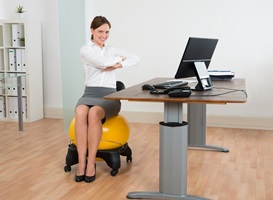
7. Is sitting on an exercise ball good for posture?
While exercise balls may help activate core muscles, they’re not ideal for long periods. A supportive ergonomic chair is better for maintaining proper posture throughout the workday.
8. Are standing desks good for posture?
Yes. Standing desks reduce prolonged sitting and help maintain better alignment. Alternating between sitting and standing every 30–60 minutes is beneficial for posture and overall health.
9. Can posture exercises help with headaches?
Absolutely. Poor posture, especially forward head posture, can create tension in the neck and upper back that triggers headaches. Corrective exercises help reduce these tension headaches over time.
10. What is the simplest posture correction tip for desk workers?
The simplest and most effective tip is to sit with your ears aligned over your shoulders and your screen at eye level. This small adjustment instantly improves alignment and reduces strain.