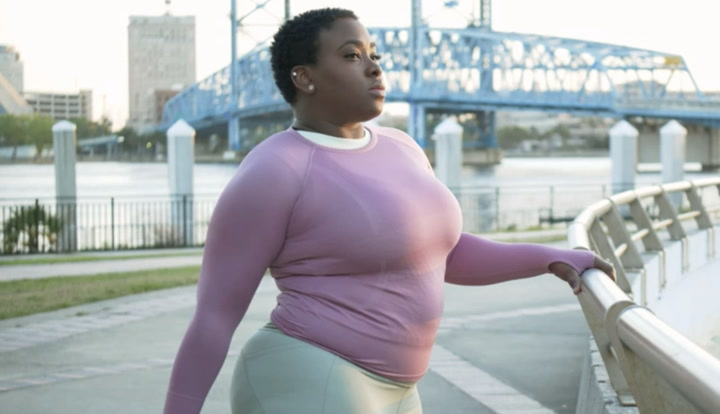

Most people focus on strength, cardio, or weight loss as they get older. Very few think about balance training—until a slip, fall, or injury suddenly changes everything. After age 35, balance is no longer something you can ignore. It becomes a key pillar of long-term health, mobility, and independence.
This article explains why balance training is essential after age 35, how aging affects balance, the science behind stability decline, and how simple balance exercises can protect your body, brain, and lifestyle.

What Is Balance Training?
Balance training involves exercises that improve your ability to control your body position, both while standing still and while moving.
Balance Depends On Three Systems
Your balance relies on coordination between:
- Muscles and joints (strength and stability)
- Inner ear (vestibular system)
- Brain and nervous system
As you age, all three systems gradually decline—unless you train them.
Why Balance Declines After Age 35
Balance doesn’t suddenly disappear at 60.
It starts declining as early as your mid-30s.
Key Reasons Balance Worsens With Age
- Loss of muscle mass (sarcopenia)
- Reduced joint mobility
- Slower nerve signaling
- Declining core strength
- Less physical activity
- Poor posture and sedentary habits
Without intervention, these changes compound every year.
Muscle Loss and Stability Go Hand in Hand
After age 30–35, adults lose 3–8% of muscle mass per decade if they don’t train.
Why This Matters for Balance
- Weak glutes = unstable hips
- Weak core = poor posture control
- Weak ankles = higher fall risk
Balance isn’t just coordination—it’s controlled strength.
The Nervous System Slows Down
Your nervous system controls how quickly your body reacts to instability.
Aging Effects Include
- Slower reflexes
- Reduced motor coordination
- Delayed muscle activation
This means when you trip, slip, or lose footing, your body reacts too slowly—increasing injury risk.
Balance Training Reduces Fall Risk Dramatically
Falls are a leading cause of injury after 40—and risk increases every decade.
Research Shows
- Balance-focused exercise reduces fall risk by up to 40%
- Even short balance routines improve stability within weeks
- Consistency matters more than intensity
Preventing one serious fall can save years of pain and medical costs.
Balance Training Protects Joint Health
Poor balance increases stress on:
- Knees
- Ankles
- Hips
- Lower back
When joints don’t move efficiently, wear and tear accelerates.
Benefits for Joints
- Better alignment
- Improved shock absorption
- Reduced injury risk
- Smoother movement patterns
This is especially important after age 35, when joint recovery slows.
Core Strength and Balance Are Deeply Connected
Balance training automatically strengthens the deep core muscles.
These include:
- Transverse abdominis
- Multifidus
- Pelvic floor muscles
Unlike crunches, balance exercises train your core functionally, the way your body actually moves.
Balance Training Improves Brain Health
Balance is not just physical—it’s neurological.
Brain Benefits Include
- Improved coordination
- Better proprioception (body awareness)
- Enhanced neural connections
- Reduced cognitive decline risk
Studies link balance exercises to better focus, reaction time, and mental sharpness.
Why Balance Training Becomes Critical After 35
Before 35, your body compensates easily.
After 35, compensation becomes injury.
Without Balance Training
- Minor slips cause major injuries
- Poor posture worsens
- Movement confidence drops
- Fear of movement increases
Balance training keeps your body resilient instead of fragile.
Balance Training and Daily Life Performance
Good balance improves everyday activities like:
- Walking on uneven surfaces
- Carrying groceries
- Climbing stairs
- Playing with kids
- Sports and recreational activities
It helps you move with confidence, not caution.
Balance Training Helps Prevent Chronic Pain
Poor balance often leads to:
- Lower back pain
- Knee pain
- Hip discomfort
- Ankle instability
By improving stability and alignment, balance training reduces unnecessary strain and pain patterns.
Common Myths About Balance Training
Myth 1: Balance Training Is Only for Seniors
Reality: Balance decline starts in your 30s.
Myth 2: Yoga Is Enough
Reality: Yoga helps, but targeted balance work is still needed.
Myth 3: Balance Training Is Boring
Reality: It can be dynamic, challenging, and athletic.
Best Types of Balance Training After Age 35
1. Single-Leg Exercises
Examples:
- Single-leg stands
- Single-leg deadlifts
- Step-downs
These mimic real-life movement demands.
2. Dynamic Balance Exercises
- Walking lunges
- Heel-to-toe walking
- Direction changes
These improve balance while moving, which matters most.
3. Core Stability Drills
- Planks
- Bird dogs
- Pallof presses
A strong core supports every movement.
4. Proprioception Training
- Balance pads
- BOSU balls
- Uneven surfaces
These challenge joint awareness and reaction speed.
How Often Should You Train Balance?
You don’t need hours.
Recommended Frequency
- 2–4 times per week
- 5–15 minutes per session
- Can be added to warm-ups or workouts
Small doses create big results.
Balance Training for Busy Adults
No gym required.
Simple at-home ideas:
- Stand on one leg while brushing teeth
- Balance during phone calls
- Add balance holds between exercises
Consistency matters more than complexity.
Balance Training and Longevity
People with better balance:
- Stay active longer
- Maintain independence
- Have lower injury risk
- Age more gracefully
Balance is a longevity skill, not just a fitness trend.
SEO Internal Linking Suggestions (DailyHealthPortal)
Internally link this article with:
- “How Strength Training Slows Aging”
- “Best Exercises for Joint Health”
- “Why Mobility Matters After 40”
- “Fall Prevention Tips for Adults”
Final Takeaway
After age 35, balance training is no longer optional—it’s essential.
It protects your joints, strengthens your core, sharpens your brain, and reduces injury risk. Most importantly, it helps you move confidently through life.
Train balance now—so you don’t lose it later.
Frequently Asked Questions (FAQs)
1. Why does balance get worse after age 35?
Balance declines due to muscle loss, slower nerve signaling, reduced joint mobility, and less physical activity. These changes begin earlier than most people realize.
2. Can balance training really prevent falls?
Yes. Regular balance training significantly reduces fall risk by improving stability, reaction time, and muscle coordination, especially as you age.
3. How long does it take to improve balance?
Most people notice improvements within 2–4 weeks of consistent balance training, even with short sessions performed a few times per week.
4. Is balance training good for back pain?
Yes. Balance exercises strengthen deep core muscles and improve posture, which helps reduce lower back strain and chronic pain.
5. Do I need special equipment for balance training?
No. Many effective balance exercises use body weight only. Equipment like balance pads can help but isn’t required.
6. Can balance training help athletes over 35?
Absolutely. Balance training improves coordination, injury prevention, and performance, making it valuable for recreational and competitive athletes.
7. Is balance training safe if I have joint issues?
Yes, when done correctly. Start with basic exercises and progress gradually. Balance training often improves joint stability and reduces discomfort.