Meta Title: How Desk-Based Work Impacts Muscle Balance | Daily Health Portal
Meta Description: Discover how prolonged sitting and desk work affect your posture, muscle strength, and overall health. Learn practical tips to maintain muscle balance and prevent discomfort.
Introduction
In today’s digital era, many people spend 6–10 hours daily at a desk. While this sedentary lifestyle may seem harmless, it can significantly disrupt muscle balance, posture, and overall physical health.
Desk-based work often leads to muscle imbalances, where some muscles become tight and overactive while others weaken. Over time, this can cause:
- Poor posture
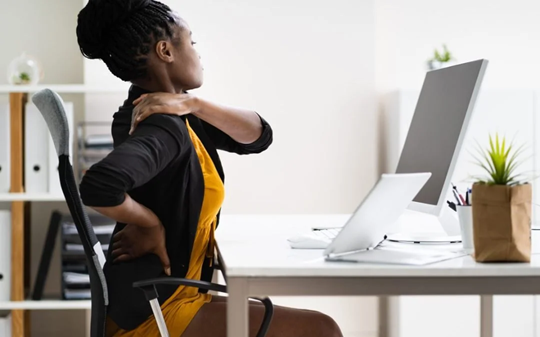
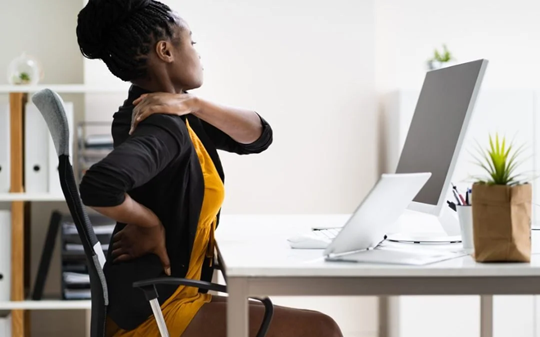
- Back, neck, or shoulder pain
- Reduced functional strength
Understanding the effects of desk work on muscles and taking corrective measures can help prevent long-term problems and improve fitness performance.
How Sitting Affects Muscle Balance
1. Hip Flexors and Glute Weakness
Prolonged sitting keeps hip flexors contracted, which can:
- Shorten and tighten them
- Reduce glute activation
- Cause lower back discomfort
Tip: Incorporate hip stretches and glute activation exercises to counteract sitting-induced tightness.
2. Back and Spinal Muscles
Sitting for long periods can weaken postural muscles such as the erector spinae and lower trapezius, leading to:
- Slouching or rounded shoulders
- Increased risk of back pain
- Reduced core stability
Tip: Practice daily posture checks and core strengthening exercises to maintain spinal support.
3. Shoulder and Neck Imbalances
Forward head posture and hunched shoulders strain:
- Upper trapezius
- Levator scapulae
- Pectoral muscles
This can cause tension, stiffness, and decreased upper body mobility.
Tip: Perform thoracic extensions, chest stretches, and shoulder retractions regularly.
Common Muscle Imbalances in Desk Workers
- Tight Muscles:
- Hip flexors
- Hamstrings (sometimes shortened from prolonged knee flexion)
- Pectorals (chest muscles)
- Weak Muscles:
- Glutes
- Core muscles
- Upper back muscles (rhomboids, lower trapezius)
Tip: A combination of stretching tight muscles and strengthening weak muscles restores proper balance.
Effects on Fitness Performance
Desk-induced muscle imbalances can:
- Reduce overall strength and flexibility
- Affect running, lifting, and posture-dependent exercises
- Increase risk of injury during workouts
Tip: Include mobility drills, dynamic warm-ups, and corrective exercises to maintain performance and prevent injuries.
Practical Tips to Prevent Muscle Imbalances
- Stand and Move Regularly: Stand every 30–45 minutes, or use a sit-stand desk.
- Stretch Tight Muscles: Focus on hip flexors, chest, and neck muscles.
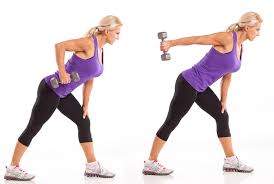
- Strengthen Weak Muscles: Glute bridges, rows, and planks improve postural support.
- Maintain Proper Ergonomics: Chair height, monitor level, and keyboard placement matter.
- Foam Rolling and Massage: Release tight fascia and muscles after long sitting periods.
- Exercise Consistently: Include full-body workouts to maintain strength and flexibility.
Internal Linking Suggestions
- Link to “Top Stretches to Reduce Office Back Pain”
- Link to “Home Workouts for Busy Professionals”
- Link to “Posture Tips for Desk Workers”
FAQs
1. Can desk work really affect muscle balance?
Yes, prolonged sitting shortens some muscles and weakens others, leading to postural issues and reduced strength over time.
2. What are the most affected muscles from sitting?
Hip flexors, glutes, chest muscles, and upper back muscles are commonly affected by desk-based work.
3. How can I prevent muscle imbalances at work?
Stand and move regularly, stretch tight muscles, strengthen weak muscles, and maintain proper desk ergonomics.
4. Can these imbalances affect exercise performance?
Yes, poor muscle balance reduces strength, flexibility, and increases injury risk during workouts.
5. Are short office breaks effective?
Even 2–5 minutes of standing, stretching, or walking every 30–45 minutes can significantly reduce muscle tightness and improve posture.
6. Should I do specific exercises for desk-induced imbalances?
Yes, glute activations, core strengthening, and thoracic mobility exercises are highly effective.
7. Can posture correctors help?
They can provide temporary support but are not a replacement for stretching, strengthening, and movement.