Meta Title: How Social Media Overuse Impacts Body Image: Real Effects & Solutions
Meta Description: Discover how excessive social media use affects body image, self-esteem, and mental health in USA/UK populations. Learn symptoms, causes, risks, and expert-backed solutions.
H1: How Social Media Overuse Impacts Body Image
Social media has become part of daily life across the USA and UK. People use it to connect, stay updated, and share moments. But as platforms grow, so does a hidden problem: body image issues caused by excessive social media use.
Millions of users compare themselves to unrealistic beauty standards without even realizing it. Over time, this constant exposure can affect self-esteem, mental health, and daily behavior.
This article explains how social media overuse affects body image, why it’s becoming a major concern, and what you can do to protect your mental and physical wellbeing.
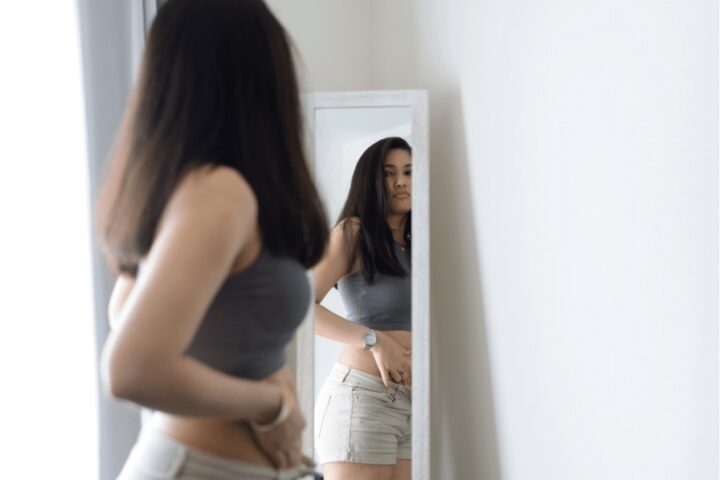
H2: What Is Body Image and Why Does It Matter?
Body image refers to how a person sees their body—including shape, size, weight, and physical appearance. It also includes how they feel about those perceptions.
A healthy body image helps people:
- Build confidence
- Maintain emotional stability
- Make better lifestyle choices
- Avoid harmful eating patterns
- Feel comfortable in social situations
A negative body image, however, can lead to:
- Low self-esteem
- Anxiety and stress
- Disordered eating
- Obsessive comparison
- Depressive symptoms
This is where social media overuse becomes a major influence.
H2: Why Social Media Affects Body Image More Than Other Platforms
H3: Constant Exposure to “Perfect” Photos
Most users post their best moments, not their real everyday selves. Images are often:
- Filtered
- Edited
- Retouched
- Enhanced with AI
- Shot in perfect lighting
When people see this daily, it creates unrealistic expectations.
H3: The Rise of Influencers and Idealized Bodies
Influencers promote:
- Fitness routines
- Beauty trends
- Diets
- Cosmetic procedures
This can pressure users to believe they must look the same to be “accepted.”
H3: Comparison Culture
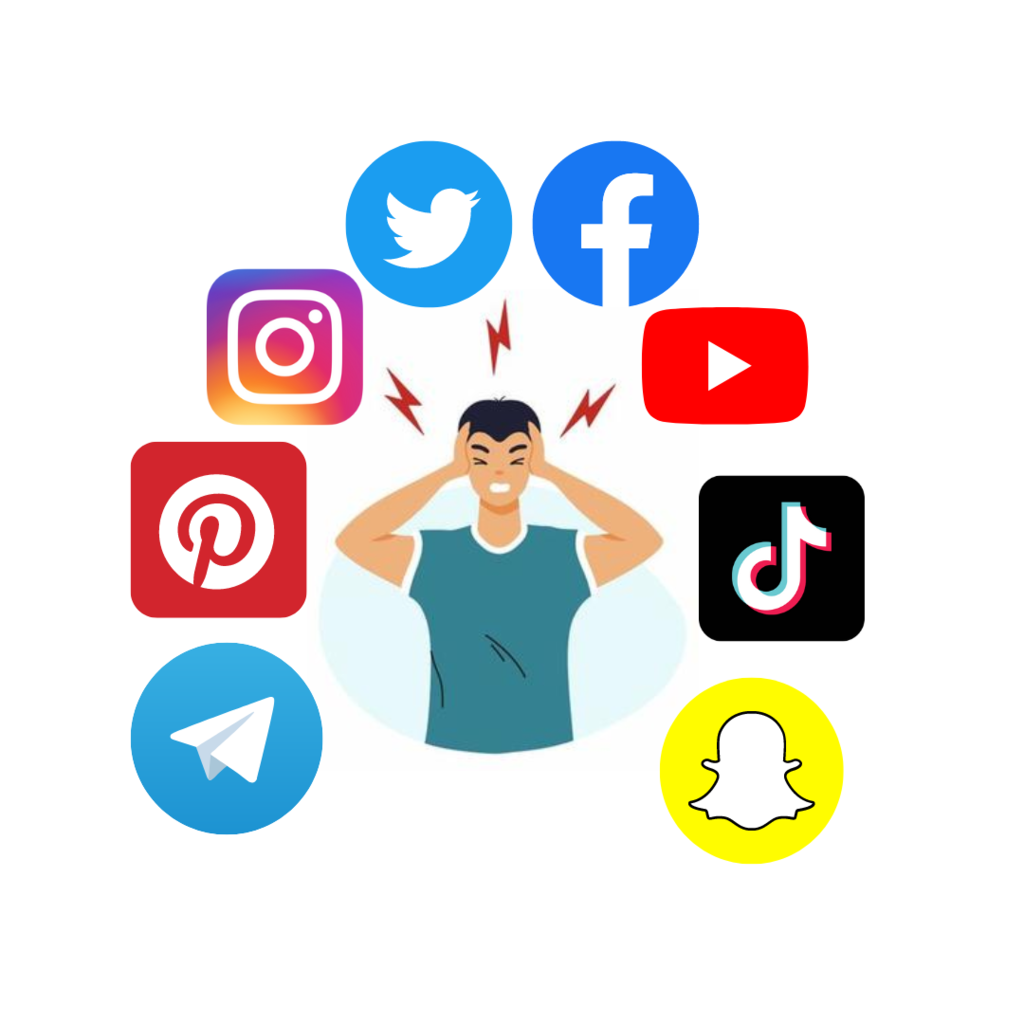
Platforms like Instagram, TikTok, Snapchat, and Facebook encourage comparison.
People start asking:
- “Why don’t I look like them?”
- “Why is their life better?”
- “Why am I not that attractive?”
Over time, this affects confidence and self-worth.
H3: Algorithm Pressure
Social media algorithms prioritise:
- Attractive faces
- Slim bodies
- Muscular physiques
- Trendy beauty looks
This silently reinforces the belief that certain body types are superior.
H2: Who Is Most at Risk?
Although everyone can be affected, certain groups face higher risk:
H3: Teenagers (13–19)
Teens in the USA/UK spend hours on social platforms. Their self-esteem is still developing, making them vulnerable to comparison.
H3: Young Adults (20–30)
This age group often faces pressure related to careers, relationships, and social acceptance.
H3: Women & Girls
They are frequently targeted with beauty trends, weight-loss ads, and filtered images.
H3: Men & Boys
Male body image issues are rising sharply due to:
- Fitness influencers
- “Six-pack culture”
- Hyper-masculine content
H3: People With Low Self-Esteem
Those already struggling with self-worth tend to compare themselves more.
H2: Psychological Effects of Social Media Overuse on Body Image
H3: Increased Body Dissatisfaction
Constant exposure to flawless bodies creates a distorted perception of what is normal.
H3: Lower Self-Esteem
Users may start feeling “not good enough” just by scrolling.
H3: Anxiety and Stress
Trying to keep up with trends, likes, and comments creates performance pressure.
H3: Fear of Missing Out (FOMO)
People feel inferior when they see others living seemingly better lives.
H3: Obsessive Checking & Self-Criticism
Users may repeatedly:
- Check mirrors
- Compare photos
- Analyse appearance
This can develop into obsessive behavior.
H2: Physical Effects of Social Media Overuse on Body Image
H3: Disordered Eating Patterns
These can include:
- Skipping meals
- Extreme dieting
- Over-exercising
- Binge eating
- Unhealthy weight loss methods
Social media trends like “what I eat in a day” videos can worsen this.
H3: Cosmetic Procedure Pressure
Users may feel tempted to get:
- Botox
- Fillers
- Lip enhancements
- Jawline sculpting
- Weight-loss injections
H3: Unhealthy Fitness Habits
Excessive workouts influenced by fitness influencers can damage the body and metabolism.
H2: The Role of Filters, Editing Apps, and AI Beauty Tools
H3: Filters Create Unrealistic Standards
Filters smooth skin, slim the face, and brighten features, creating a false reality.
H3: Editing Apps Influence Self-Perception
Apps like Facetune, Photoshop, and AI-enhanced tools distort:
- Body shape
- Facial symmetry
- Height
- Skin tone
Users lose connection with their real appearance.
H3: Deepfakes and AI Beauty
AI-generated beauty standards are becoming impossible to achieve naturally, increasing dissatisfaction.
H2: How Social Media Affects Men’s Body Image
Body image issues are not limited to women.
Men often face pressure to look:
- Muscular
- Lean
- Tall
- Athletic
Fitness influencers and gym culture increase the desire for:
- Supplements
- Steroids
- Extreme training
This can harm long-term health.
H2: How Social Media Affects Women’s Body Image
Women often face pressure from:
- Fashion influencers
- Makeup trends
- Weight-loss challenges
- Beauty routines
- “Perfect skin” content
These trends make normal flaws seem unacceptable.
H2: Signs You’re Experiencing Body Image Issues Due to Social Media
- Constantly comparing yourself to others
- Feeling unattractive after scrolling
- Editing your photos excessively
- Avoiding social events
- Feeling pressure to post perfect pictures
- Spending too much time analysing your appearance
- Experiencing anxiety over likes and comments
Recognising these signs early is essential.
H2: Why Body Image Issues Are Rising in USA & UK
H3: Higher Screen Time
Average screen time has nearly doubled in the past decade.
H3: Growing Influencer Culture
Influencers dominate beauty and lifestyle spaces.
H3: Normalisation of Cosmetic Enhancements
Procedures are widely promoted as “quick fixes.”
H3: Trend Cycles Moving Faster
New trends appear daily, increasing pressure.
H3: Economic Pressure and Insecurity
People compare lifestyles they cannot realistically afford.
H2: How to Protect Your Body Image While Using Social Media
H3: Limit Screen Time
Set daily usage limits across apps.
H3: Unfollow Harmful Accounts
Remove accounts that make you feel inferior.
H3: Follow Positive Body Image Creators
Choose influencers who promote:
- Realistic bodies
- Healthy habits
- Mental wellness
H3: Avoid Over-Editing Photos
Try to stay authentic.
H3: Practice Digital Detoxes
Take weekly or monthly breaks.
H3: Replace Scrolling with Healthy Activities
Examples:
- Walking
- Meditation
- Reading
- Creative hobbies
H3: Journal Your Feelings
Writing helps identify triggers.
H3: Seek Professional Support
Therapists and counsellors can help rebuild self-esteem.
H2: Internal Linking Suggestions (For Your Website)
You may internally link to articles such as:
- “Why Walking Is More Effective Than Many People Think”
- “How Culinary Oils Affect Heart Health”
- “Why High Uric Acid Is Rising in Western Populations”
- “Daily Mental Wellness Tips for Busy People”
- “Simple Fitness Habits That Boost Long-Term Health”
H2: FAQs: How Social Media Overuse Impacts Body Image
1. How does social media cause negative body image?
Social media exposes users to unrealistic beauty standards through edited photos, filters, and influencer content. Over time, constant comparison makes people feel less attractive, less confident, and pressured to look a certain way. This slowly builds negative body image and low self-esteem.
2. Why are teenagers more vulnerable to body image issues?
Teens in the USA/UK are still developing self-confidence and identity. When they see perfect-looking bodies online, they often compare themselves, leading to insecurity. High screen time and peer pressure amplify this vulnerability.
3. Does social media affect men’s body image too?
Yes. Men face increasing pressure to look muscular, lean, and athletic because of fitness influencers and gym culture. This can lead to excessive workouts, unhealthy supplements, and low confidence in their natural body shape.
4. Are filters and editing apps harmful for mental health?
When used excessively, filters create unrealistic expectations of beauty. People may become dissatisfied with their real appearance, leading to anxiety, self-doubt, and distorted self-perception.
5. Can social media lead to eating disorders?
Social media trends, diet fads, and “ideal” body images can influence people to follow extreme diets or skip meals. While not the sole cause, social media can contribute to disordered eating patterns and unhealthy weight loss habits.
6. How can I reduce social media’s impact on my self-esteem?
Start by limiting screen time, unfollowing negative accounts, taking digital breaks, and surrounding yourself with positive, realistic content. Engaging in healthy habits like walking, mindfulness, and creative hobbies also helps improve self-esteem.
7. Is social media detox really effective for body image?
Yes. Even brief breaks from social platforms can reduce comparison, boost mood, and improve self-awareness. Many users report feeling calmer and more confident after a detox.
8. What should parents do to protect their children’s body image?
Parents should set screen-time limits, monitor content, and encourage open conversations about online influences. Teaching children about filters, editing, and unrealistic beauty standards can reduce negative impact.
9. Why do influencers affect body image so much?
Influencers often represent polished, edited versions of themselves, creating unrealistic beauty ideals. Their popularity makes users believe they must achieve similar looks to feel validated or accepted.
10. Can improving body image improve mental health?
Yes. A healthy body image boosts confidence, reduces stress, improves daily functioning, and enhances emotional wellbeing. It also encourages healthier lifestyle habits and balanced self-care.