
Introduction
Exercising is amazing for your body, mind, and long-term health. But injuries can happen anytime—especially when training without proper guidance. Whether you’re a beginner, intermediate, or advanced fitness lover, preventing injuries should always be your top priority.
This guide explains the smartest, simplest, and most effective ways to stay injury-free, using a mix of real-world fitness wisdom and science-backed insights.
Why Injury Prevention Matters
Many people ignore injury prevention until they feel pain. But injuries can:
- Stop your progress
- Reduce strength and mobility
- Increase medical expenses
- Affect mental confidence
- Delay weight loss or muscle gain goals
Staying safe is not only healthier—it also improves long-term consistency.
H2: Warm-Up Properly Before Every Workout
A proper warm-up increases blood flow, elevates body temperature, and prepares your muscles for movement.
H3: Best Warm-Up Routine
Keep it simple:
- 3 minutes light cardio (brisk walking, jogging, light cycling)
- Dynamic stretching (leg swings, arm circles)
- Movement-specific activation (glute bridges, band rows)
Why it works: Warm muscles react faster, remain flexible, and handle stress better.
H2: Learn Proper Form and Technique
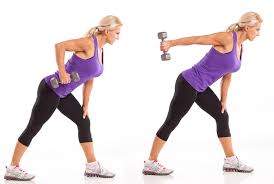
Bad form is one of the biggest causes of workout injuries.
H3: Tips for Better Technique
- Start with light weights
- Watch tutorial videos from certified coaches
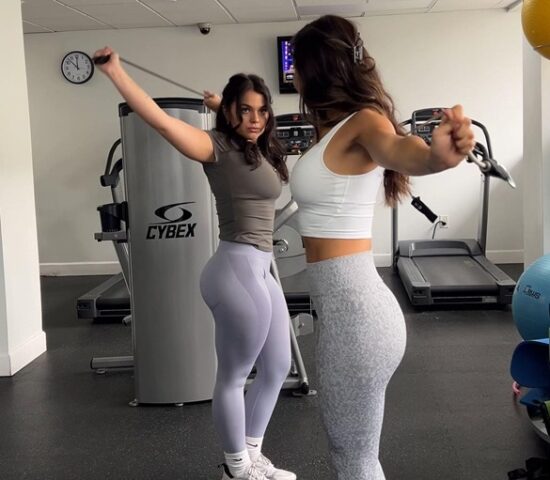
- Use mirrors to check posture
- Avoid ego lifting
- Focus on controlled movement
If needed, take help from a personal trainer.
H2: Increase Intensity Gradually (Progressive Overload)
Jumping too quickly into heavy loads or extreme workouts increases injury risk.
H3: Safe Progression Strategy
- Add 5–10% weight increase at a time
- Increase reps slowly
- Never push through sharp pain
- Allow rest days between intense sessions
Slow and steady progression gives better results and protects muscles and joints.
H2: Wear the Right Shoes & Gear
Wrong footwear can cause knee pain, back pain, ankle issues, and muscle imbalance.
H3: What to Look for in Good Training Shoes
- Proper cushioning
- Correct arch support
- Fit according to your foot type
- Non-slip sole
For high-impact workouts: Choose shock-absorbing shoes. For weightlifting: Choose flat, stable shoes.
H2: Stay Hydrated and Eat Properly
Dehydration affects muscle performance and increases the chance of cramps.
H3: Smart Hydration Tips
- Drink water before, during, after exercise
- Add electrolytes if sweating heavily
- Eat balanced meals with protein + carbs + healthy fats
Proper nutrition fuels your muscles and prevents fatigue-related injuries.
H2: Listen to Your Body
Your body always sends signals.
H3: Warning Signs You Should Never Ignore
- Sharp pain
- Swelling
- Muscle weakness
- Numbness or tingling
- Extreme fatigue
Rest if needed. Pushing through pain causes long-term damage.
H2: Cool Down After Every Workout
A cool-down helps your body return to normal safely.
H3: Cool-Down Routine
- Slow walking for 2–3 minutes
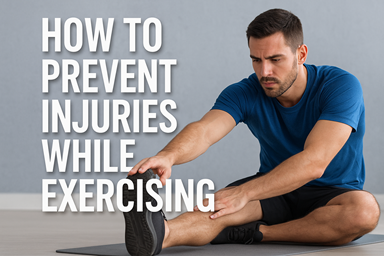
- Light static stretching
- Deep breathing
It reduces soreness and helps improve flexibility.
H2: Add Mobility & Flexibility Training
Flexible muscles and mobile joints reduce injury risk.
H3: Best Mobility Exercises
- Hip openers
- Thoracic spine rotations
- Ankle mobility drills
- Hamstring stretches
Practice mobility 3–4 times a week.
H2: Strengthen Weak Muscles
Weak muscles force other muscles to overwork.
H3: Common Weak Points to Train
- Glutes
- Core
- Upper back
- Hamstrings
Balanced strength = fewer injuries.
H2: Don’t Skip Rest Days
Rest allows your muscles to repair and grow stronger.
H3: How Much Rest Do You Need?
- Light training: 1–2 rest days
- Intense training: 2–3 rest days
- Strength training: 48 hours recovery per muscle group
Sleep 7–9 hours daily for best results.
H2: Create a Long-Term Workout Plan
Random workouts increase mistakes.
H3: What a Good Plan Includes
- Warm-ups
- Strength training
- Cardio
- Mobility work
- Rest days
A structured plan keeps your body safe and your progress consistent.
H2: When to See a Doctor or Physiotherapist
If pain lasts more than 48–72 hours, consult a professional.
Early detection prevents bigger issues.
Internal Linking Suggestions (US/UK Audience)
- Link to other articles like “Benefits of Strength Training”
- Link to “How to Do a Proper Warm-Up”
- Link to “Best Foods for Muscle Recovery”
These help improve your website’s authority and user engagement.
FAQs
1. How can beginners prevent exercise injuries?
Beginners should start slow, use light weights, warm-up properly, and learn correct form. Following a simple structured routine reduces mistakes and keeps the body safe. Also, avoid pushing through discomfort or copying advanced workouts seen online.
2. Do I really need to warm-up before a workout?
Yes, a warm-up prepares your muscles, increases blood flow, and reduces the chance of strains. Even a 5-minute warm-up makes your body more flexible and ready for movement, improving safety and performance.
3. What are the most common workout injuries?
Common injuries include sprains, strains, tendonitis, shoulder issues, knee pain, and lower back injuries. These usually happen due to bad form, overtraining, or skipping warm-ups. Proper technique and progression help avoid them.
4. How do I know if pain is serious?
Sharp, sudden, or persistent pain is a red flag. If swelling, numbness, redness, or difficulty moving occurs, stop training immediately. Seek medical help if symptoms don’t improve within 2–3 days.
5. Are rest days important for injury prevention?
Absolutely. Rest days allow muscles to repair, grow stronger, and reset. Training without rest leads to overuse injuries, fatigue, and reduced performance. Aim for at least 1–3 rest days per week.
6. Can stretching prevent injuries?
Stretching improves flexibility and joint mobility, which lowers injury risk. Combine dynamic stretching before a workout and static stretching after a workout for maximum benefit and safer training.
7. What should I eat to prevent workout injuries?
Balanced meals with protein, complex carbs, and healthy fats help muscles recover. Hydration also matters—drink enough water and add electrolytes if sweating heavily. Good nutrition prevents cramps and fatigue-related injuries.
8. How to avoid injuries during weightlifting?
Lift with proper form, start with manageable weights, and avoid ego lifting. Engage your core, keep movements controlled, and follow a structured progression to stay safe and improve strength over time.
9. Can home workouts cause injuries too?
Yes, home workouts can cause injuries if done with bad posture or excessive intensity. Use proper flooring, enough space, and follow guided tutorials. Always warm-up and avoid sudden jumps in difficulty.
10. When should I see a physiotherapist?
See a physiotherapist if pain lasts more than 72 hours, keeps returning, or affects daily movement. Early treatment prevents long-term damage and helps you return to exercise safely.