Meta Title
The Link Between Modern Lifestyles & Hormonal Disturbances | Daily Health Portal
Meta Description
Modern lifestyles are disrupting hormones more than ever. Learn how stress, diet, sleep, and screen time affect hormonal balance and how to restore it naturally.
Introduction: Why Hormonal Problems Are Rising Today
Hormonal disturbances are no longer limited to older age or specific medical conditions. Today, people in their 20s and 30s are experiencing hormonal imbalance symptoms that were once rare. Fatigue, weight gain, mood swings, poor sleep, low libido, and irregular cycles have become common complaints.
The reason lies largely in modern lifestyle habits. Chronic stress, poor diet, lack of movement, screen exposure, and disrupted sleep patterns are silently interfering with the body’s hormonal system.
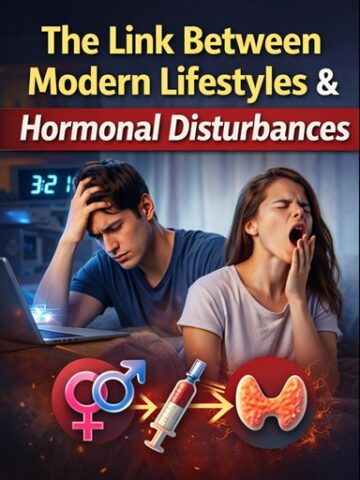
Hormones act as chemical messengers that control energy, metabolism, mood, growth, and reproduction. Even small disruptions can affect the entire body. This article explains the strong connection between modern lifestyles and hormonal disturbances, common symptoms, underlying causes, and practical ways to restore balance naturally.
Understanding Hormones and Their Role in the Body
What Are Hormones?
Hormones are chemical messengers released by glands such as:
- Thyroid
- Adrenal glands
- Pancreas
- Pituitary
- Reproductive glands
They travel through the bloodstream and regulate:
- Energy levels
- Metabolism
- Sleep
- Stress response
- Mood
- Reproductive health
Balanced hormones are essential for overall physical and mental well-being.
What Is Hormonal Disturbance?
Hormonal disturbance occurs when hormones are produced in excess or deficiency, or when the body cannot respond to them properly. This imbalance often develops gradually and is closely tied to daily habits.
How Modern Lifestyles Disrupt Hormonal Balance
1. Chronic Stress and Cortisol Imbalance
Modern life keeps the body in a constant stress response mode. Work pressure, financial stress, social expectations, and digital overload continuously activate the adrenal glands.
This leads to:
- Elevated cortisol levels
- Disrupted sleep hormones
- Suppressed reproductive hormones
High cortisol directly interferes with thyroid function, insulin sensitivity, and sex hormones, causing widespread hormonal imbalance.
2. Poor Sleep and Circadian Rhythm Disruption
Late nights, irregular sleep schedules, and screen exposure before bed disturb the body’s natural clock.
Poor sleep affects:
- Melatonin (sleep hormone)
- Cortisol rhythm
- Growth hormone release
Without deep, consistent sleep, hormonal repair and regulation cannot occur properly, leading to long-term disturbances.
3. Unhealthy Diet and Processed Foods
Modern diets are often high in:
- Sugar
- Refined carbohydrates
- Processed oils
- Artificial additives
These foods cause:
- Insulin resistance
- Inflammation
- Poor gut health
Since the gut plays a major role in hormone regulation, poor nutrition directly contributes to hormonal imbalance and metabolic disorders.
4. Sedentary Lifestyle and Lack of Movement
Sitting for long hours reduces:
- Insulin sensitivity
- Blood circulation
- Muscle hormone signaling
Regular movement is essential for maintaining healthy insulin, cortisol, and thyroid hormone function. A sedentary lifestyle increases the risk of hormonal disorders such as diabetes and thyroid imbalance.
5. Excessive Screen Time and Blue Light Exposure
Constant exposure to screens affects:
- Melatonin production
- Dopamine balance
- Stress hormone levels
Blue light suppresses sleep hormones and keeps the brain overstimulated, leading to sleep-related hormonal disruptions.
6. Environmental Toxins and Endocrine Disruptors
Modern environments expose people to chemicals found in:
- Plastic containers
- Cosmetics
- Cleaning products
- Pesticides
These substances act as endocrine disruptors, mimicking or blocking natural hormones and interfering with normal hormonal signaling.
Common Hormonal Disorders Linked to Modern Lifestyles
Thyroid Imbalance
Symptoms include:
- Fatigue
- Weight gain or loss
- Hair thinning
- Cold sensitivity
Stress and poor nutrition are major contributors to thyroid dysfunction.
Insulin Resistance
Caused by:
- High sugar intake
- Lack of exercise
- Chronic stress
It increases the risk of type 2 diabetes and weight gain.
Cortisol Imbalance
Too much or too little cortisol can cause:
- Chronic fatigue
- Anxiety
- Poor sleep
- Weak immunity
Reproductive Hormone Imbalance
Affects both men and women and may lead to:
- Irregular periods
- Low libido
- Fertility issues
- Mood changes
Signs and Symptoms of Hormonal Disturbances
Physical Symptoms
- Persistent fatigue
- Unexplained weight changes
- Poor sleep
- Hair loss
- Digestive issues
Mental and Emotional Symptoms
- Mood swings
- Anxiety
- Brain fog
- Low motivation
Many people treat these symptoms separately without addressing the root hormonal cause.
The Gut–Hormone Connection
A healthy gut is essential for:
- Estrogen metabolism
- Insulin regulation
- Cortisol balance
Poor gut health caused by stress and poor diet worsens hormonal disturbances. Supporting gut health improves overall hormonal stability.
Practical Ways to Restore Hormonal Balance Naturally
1. Manage Daily Stress Effectively
- Practice mindfulness
- Set work boundaries
- Take regular breaks
Reducing stress lowers cortisol and allows other hormones to recover.
2. Prioritize Quality Sleep
- Sleep and wake at consistent times
- Avoid screens before bed
- Create a dark, calm sleep environment
Sleep is the foundation of hormonal health.
3. Eat a Hormone-Supportive Diet
Include:
- Whole foods
- Healthy fats
- Lean proteins
- Fiber-rich vegetables
Avoid excessive sugar and processed foods.
4. Move Your Body Regularly
- Walking
- Strength training
- Yoga
Balanced exercise supports insulin sensitivity and stress hormones.
5. Reduce Toxin Exposure
- Use glass or steel containers
- Choose natural personal care products
- Wash fruits and vegetables thoroughly
Lowering toxin load protects hormonal function.
6. Support Gut Health
- Eat fermented foods
- Stay hydrated
- Manage stress
A healthy gut improves hormone metabolism.
Why Hormonal Health Is a Long-Term Commitment
Hormonal balance does not improve overnight. Consistent lifestyle changes are essential. Small daily habits have a powerful cumulative effect on hormonal health.
Internal Linking Suggestions (DailyHealthPortal.com)
- Why Mental Fatigue Often Feels Physical
- The Link Between Modern Work Stress & Physical Fatigue
- How Sleep Affects Hormonal Balance
FAQs: The Link Between Modern Lifestyles & Hormonal Disturbances
1. Can modern lifestyles really cause hormonal imbalance?
Yes. Chronic stress, poor sleep, unhealthy diets, and lack of exercise disrupt hormone production and regulation, leading to long-term hormonal disturbances.
2. What are the early signs of hormonal imbalance?
Early signs include fatigue, mood swings, sleep problems, weight changes, and low energy. These symptoms often appear before major hormonal disorders develop.
3. How does stress affect hormones?
Stress increases cortisol levels, which suppresses other hormones like thyroid and reproductive hormones, leading to widespread imbalance.
4. Can hormonal imbalance be reversed naturally?
In many cases, yes. Improving sleep, diet, stress management, and physical activity can restore hormonal balance over time.
5. Does screen time affect hormones?
Yes. Excessive screen time disrupts melatonin production, affects sleep quality, and increases stress hormones, contributing to hormonal imbalance.
6. How long does it take to rebalance hormones?
Mild imbalances may improve within weeks, while chronic issues can take months of consistent lifestyle changes to correct.
7. Are hormonal problems only age-related?
No. Hormonal disturbances are increasingly common in younger adults due to modern lifestyle habits and chronic stress.
8. When should I consult a doctor?
If symptoms persist for months, worsen, or significantly affect daily life, seek medical advice for proper evaluation and guidance.