Meta Title: Top 10 Must-Have Home Fitness Equipment in 2025 | Daily Health Portal
Meta Description: Upgrade your home workouts with the top 10 fitness equipment in 2025. From dumbbells to treadmills, discover gear for strength, cardio, and flexibility at home.
Introduction
Home workouts have skyrocketed in popularity, especially in 2025. Busy schedules, rising gym costs, and convenience make home fitness equipment a smart investment. Whether your goal is weight loss, muscle building, or flexibility, the right tools can transform your home into a functional gym.
This guide will cover the top 10 must-have home fitness equipment, their benefits, usage tips, and pros/cons to help you make the best choice.
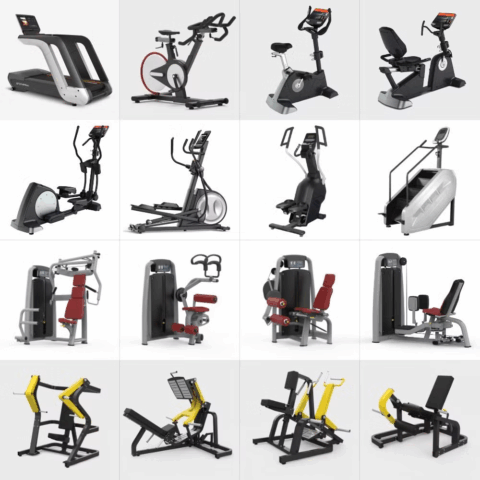
1. Dumbbells – The Ultimate Strength Training Tool
Benefits:
- Versatile for full-body workouts
- Adjustable options save space
- Improve muscle tone, metabolism, and bone strength
Pros:
- Easy to use at home
- Suitable for beginners to advanced users
- Can target all major muscle groups
Cons:
- Takes up some space
- Heavier sets can be expensive
Usage Tip: Start with 5–10 lbs for beginners and gradually increase weight as your strength improves. Combine with resistance bands for added challenge.
Quick Comparison Table:
| Type | Best For | Space Needed | Price Range |
|---|---|---|---|
| Fixed Dumbbells | Beginners | Low | $20–$50 |
| Adjustable Dumbbells | All levels | Medium | $100–$300 |
2. Resistance Bands – Portable and Effective
Benefits:
- Lightweight and portable
- Ideal for strength, toning, and flexibility
- Low risk of injury
Pros:
- Affordable and versatile
- Can simulate most weight exercises
- Travel-friendly
Cons:
- Limited maximum resistance for advanced strength training
- Can wear out over time
Usage Tip: Use bands for warm-ups, glute exercises, or assisted pull-ups. Combine with dumbbells for progressive overload.
3. Treadmills – Cardio at Home
Benefits:
- Effective for weight loss and heart health
- Adjustable speed and incline for all levels
- Safe indoor cardio option
Pros:
- Monitors calories, heart rate, and distance
- Suitable for all ages
- Foldable models save space
Cons:
- Expensive upfront cost
- Requires space and maintenance
Usage Tip: Start with 20–30 minutes at moderate pace. Gradually increase speed and incline for better results.
Quick Comparison Table:
| Type | Best For | Space Needed | Price Range |
|---|---|---|---|
| Manual Treadmill | Beginners | Low | $100–$300 |
| Motorized Treadmill | All levels | Medium | $500–$2000 |
4. Exercise Bikes – Low-Impact Cardio
Benefits:
- Improves stamina without stressing joints
- Provides low-impact cardiovascular workout
- Tracks fitness metrics
Pros:
- Comfortable for long sessions
- Can be used while watching TV
- Great for seniors or joint-sensitive individuals
Cons:
- Limited upper body engagement
- Some models can be noisy
Usage Tip: Use for 20–40 minutes, 4–5 times a week. Pair with dumbbell or bodyweight exercises for a full-body routine.
5. Kettlebells – Functional Training Made Simple
Benefits:
- Combines strength and cardio
- Targets multiple muscles simultaneously
- Enhances endurance and core stability
Pros:
- Compact and easy to store
- Great for functional, dynamic movements
- Suitable for HIIT workouts
Cons:
- Requires proper form to avoid injury
- Learning curve for beginners
Usage Tip: Perform kettlebell swings, goblet squats, and Turkish get-ups 2–3 times per week for full-body conditioning.
6. Pull-Up Bars – Upper Body Strength Essentials
Benefits:
- Strengthens back, shoulders, and arms
- Affordable and space-efficient
- Can be installed in doorways
Pros:
- Durable and long-lasting
- Supports multiple exercises
- Compact home gym addition
Cons:
- Limited for lower body workouts
- May require wall/door reinforcement
Usage Tip: Beginners can use resistance bands for assisted pull-ups. Aim for 3–4 sets of 6–12 reps.
7. Yoga Mats – Foundation for Workouts
Benefits:
- Provides comfort for floor exercises
- Prevents slips and injuries
- Essential for yoga, Pilates, and core workouts
Pros:
- Lightweight and portable
- Affordable and easy to clean
- Supports stretching and mobility
Cons:
- Can wear out over time
- Thicker mats may be bulky
Usage Tip: Use for warm-ups, stretching, and floor exercises daily.
8. Medicine Balls – Add Variety to Workouts
Benefits:
- Improves strength, coordination, and endurance
- Can be used for slams, twists, and partner exercises
- Enhances power and stability
Pros:
- Versatile for all fitness levels
- Compact and easy to store
- Great for explosive movements
Cons:
- Limited weight options for heavy strength training
- Harder surface may cause injuries if not careful
Usage Tip: Use 2–10 lb medicine balls for core workouts, rotational exercises, and HIIT circuits.
9. Jump Ropes – Affordable Cardio Boost
Benefits:
- Boosts cardiovascular health and stamina
- Improves coordination and agility
- Lightweight and inexpensive
Pros:
- Perfect for HIIT workouts
- Portable and easy to store
- Low-cost cardio option
Cons:
- Can be tough on joints if used excessively
- Requires practice for advanced tricks
Usage Tip: Start with 5–10 minutes daily. Increase duration and intensity gradually.
10. Adjustable Weight Benches – Full-Body Training Support
Benefits:
- Supports incline, decline, and flat exercises
- Complements dumbbells, barbells, and resistance training
- Essential for chest, tricep, and ab workouts
Pros:
- Adjustable for multiple exercises
- Durable and long-lasting
- Enhances overall home gym setup
Cons:
- Takes up moderate space
- Slightly higher cost for quality models
Usage Tip: Pair with dumbbells or resistance bands 3–4 times a week for strength training.
FAQs
1. What is the best home fitness equipment for beginners?
Dumbbells, resistance bands, and a yoga mat are ideal for beginners. They are versatile, affordable, and suitable for most exercises.
2. Can I build muscle using only home equipment?
Yes, dumbbells, kettlebells, resistance bands, and a weight bench can help build strength and muscle at home.
3. How much space do I need for a home gym?
A 50–100 sq. ft. area is sufficient for basic equipment. Larger setups with treadmills or bikes require more space.
4. Are treadmills or exercise bikes better for weight loss?
Both are effective. Treadmills provide high-impact cardio, while bikes are low-impact. Combining both yields better results.
5. How often should I use home fitness equipment?
4–6 sessions per week, mixing cardio, strength, and flexibility exercises, is ideal for balanced fitness.
6. Can resistance bands replace weights?
Yes, for beginners and moderate strength training, resistance bands provide similar benefits, though heavy weights are better for advanced muscle building.
7. How do I choose the right dumbbell weight?
Start with a weight you can lift 10–12 times with proper form, then gradually increase.
Internal Linking Suggestions: