Over the past decade, functional fitness has moved from niche training programs into the mainstream fitness culture of the USA and UK. Unlike traditional gym routines focused mainly on aesthetics, functional fitness emphasizes real-life movement, strength, balance, and mobility. As people in the West become more health-conscious and time-aware, functional fitness is emerging as a practical, sustainable solution for long-term physical well-being.
This article explores why functional fitness is becoming popular in the West, what makes it different, and why it aligns perfectly with modern health and fitness goals.
Meta Title
Why Functional Fitness Is Becoming Popular in the West | Health & Fitness
Meta Description
Functional fitness is rapidly growing in the USA and UK. Learn why functional training is popular, its benefits, and how it improves real-life strength and movement.
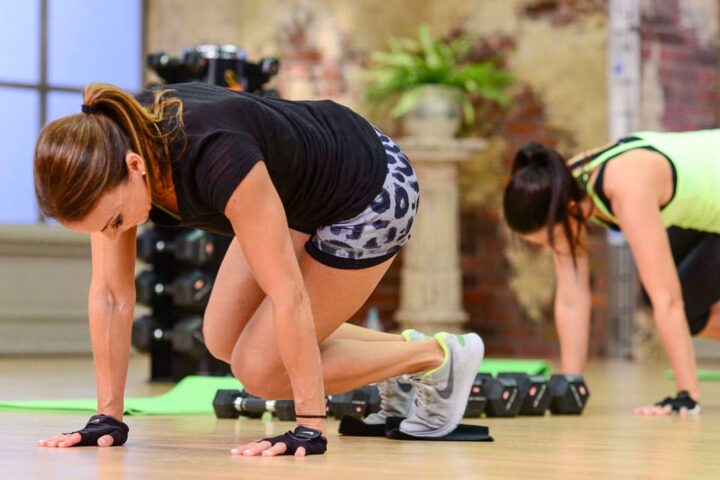
What Is Functional Fitness?
Functional fitness is a training style that focuses on exercises designed to improve everyday movement patterns. These movements mirror actions used in daily life, such as:
- Squatting
- Lifting
- Pushing
- Pulling
- Twisting
- Balancing
Rather than isolating one muscle at a time, functional training engages multiple muscle groups simultaneously, improving coordination and efficiency.
How Functional Fitness Differs from Traditional Workouts
Traditional gym workouts often focus on isolated muscles using machines. Functional fitness, on the other hand, prioritizes movement quality and practicality.
Key Differences
| Traditional Training | Functional Fitness |
|---|---|
| Isolated muscle exercises | Multi-joint movements |
| Machine-based workouts | Free weights & bodyweight |
| Appearance-focused | Performance-focused |
| Limited real-life carryover | Direct daily-life benefits |
This shift in training philosophy explains why functional fitness resonates with modern lifestyles.
1. Busy Lifestyles Demand Efficient Workouts
One major reason functional fitness is growing in popularity is time efficiency.
Why Functional Training Fits Modern Schedules
- Trains strength, mobility, and balance together
- Delivers full-body results in shorter sessions
- Reduces need for long gym hours
For busy professionals in the USA and UK, 30–45 minutes of functional training often provides better results than longer traditional workouts.
2. Focus on Real-Life Strength, Not Just Looks
Western fitness culture is shifting away from purely aesthetic goals.
What People Want Now
- Injury-free movement
- Better posture
- Easier daily tasks
- Long-term physical independence
Functional fitness helps people move better, not just look fit, which is especially appealing to adults over 30.
3. Rising Awareness of Injury Prevention
Injury prevention has become a major fitness priority.
How Functional Fitness Reduces Injury Risk
- Strengthens stabilizing muscles
- Improves joint mobility
- Enhances balance and coordination
- Corrects movement imbalances
By training the body as an integrated system, functional fitness helps prevent common issues like back pain, knee strain, and shoulder injuries.
4. Growth of Cross-Training and Hybrid Fitness Programs
Functional fitness forms the foundation of many popular training styles in the West.
Fitness Trends Driving Functional Training
- Cross-training programs
- High-Intensity Interval Training (HIIT)
- Boot camps
- Athletic conditioning
These programs combine strength, endurance, and agility—key principles of functional fitness.
5. Aging Population Seeking Longevity and Mobility
As populations in the USA and UK age, fitness goals are changing.
Functional Fitness for Healthy Aging
- Improves balance and reduces fall risk
- Maintains muscle mass
- Supports joint health
- Enhances daily independence
Functional training helps adults stay active and capable well into older age, making it ideal for longevity-focused fitness.
6. Shift Away from Machine-Based Gyms
More people are moving away from traditional machine-heavy gyms.
Why Free Movement Is Preferred
- Natural movement patterns
- Improved core engagement
- Greater muscle coordination
Functional fitness encourages body awareness, which machines often limit.
7. Influence of Sports and Athletic Training
Functional fitness borrows heavily from athletic conditioning.
Athletic Benefits That Appeal to Non-Athletes
- Faster reaction times
- Improved agility
- Better power transfer
- Enhanced endurance
This athletic-style training appeals to people who want performance-based fitness, even if they are not athletes.
8. Home Workouts and Minimal Equipment Training
The rise of home fitness has accelerated functional training adoption.
Why Functional Fitness Works at Home
- Requires minimal equipment
- Uses bodyweight movements
- Easily adaptable to small spaces
Exercises like squats, lunges, planks, kettlebell swings, and resistance band work are highly effective without gym machines.
Core Benefits of Functional Fitness
1. Improved Daily Movement
Functional training makes everyday tasks easier, such as:
- Lifting groceries
- Climbing stairs
- Sitting and standing
- Carrying children
2. Better Balance and Coordination
Training multiple muscle groups together enhances stability and reduces fall risk.
3. Stronger Core and Posture
Most functional exercises engage the core, leading to better posture and reduced back pain.
4. Sustainable Long-Term Fitness
Functional fitness promotes consistency, which is key to lasting results.
Popular Functional Fitness Exercises
Common functional movements include:
- Squats and deadlifts
- Lunges and step-ups
- Push-ups and rows
- Kettlebell swings
- Medicine ball throws
- Farmer’s carries
These movements translate directly into real-world strength.
Functional Fitness vs Bodybuilding: Which Is Better?
Neither approach is “better” for everyone.
Functional Fitness Is Ideal For:
- Everyday strength
- Injury prevention
- Mobility and balance
- Long-term health
Bodybuilding Is Better For:
- Muscle size and definition
- Aesthetic goals
- Controlled hypertrophy
Many people now combine both styles for balanced fitness.
Internal Linking Suggestions (DailyHealthPortal)
To enhance SEO and engagement, link this article with:
- “Benefits of Functional Training”
- “Best Home Workout Exercises”
- “Strength Training for Beginners”
- “Fitness Tips for Adults Over 40”
Final Thoughts: A Smarter Way to Train
Functional fitness is becoming popular in the West because it fits modern life. It is efficient, practical, injury-conscious, and adaptable for all ages. As people prioritize movement quality, longevity, and real-life strength, functional fitness stands out as a sustainable approach to health and fitness.
Rather than training just to look strong, functional fitness trains people to live stronger.
FAQs: Functional Fitness Popularity
1. Why is functional fitness gaining popularity in the USA and UK?
People want practical workouts that improve daily movement, reduce injury risk, and fit busy lifestyles. Functional fitness meets all these needs.
2. Is functional fitness suitable for beginners?
Yes. Functional exercises can be scaled to any fitness level and focus on natural movement patterns.
3. Can functional fitness help with weight loss?
Yes. It burns calories, builds lean muscle, and improves metabolism through full-body movements.
4. Do I need special equipment for functional training?
No. Many functional workouts use bodyweight or minimal equipment like kettlebells and resistance bands.
5. How often should I do functional fitness?
Most people benefit from 3–5 sessions per week, depending on goals and recovery ability.
6. Is functional fitness better than traditional gym workouts?
It depends on goals. Functional fitness improves real-life performance, while traditional workouts focus more on muscle isolation.
7. Can older adults do functional fitness safely?
Yes. When properly scaled, functional fitness improves balance, mobility, and independence in older adults.