
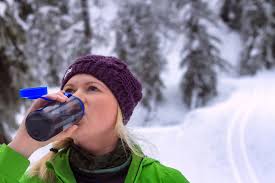
Hydration is often associated with hot summer days, intense workouts, and visible sweating. However, staying properly hydrated is equally important—if not more complex—in cold climates. Many people unknowingly drink less water during winter, assuming their body needs less fluid. In reality, hydration requirements change with climate, and misunderstanding this can lead to fatigue, poor immunity, dry skin, and reduced physical performance.
This article explains why hydration needs differ in cold vs warm climates, how your body responds to temperature changes, and how to optimize fluid intake year-round for better health and fitness.
Meta Title
Why Hydration Needs Differ in Cold vs Warm Climates | Health & Fitness Guide
Meta Description
Discover why your hydration needs change in cold vs warm climates. Learn how temperature affects fluid loss, metabolism, fitness performance, and daily water intake for optimal health.
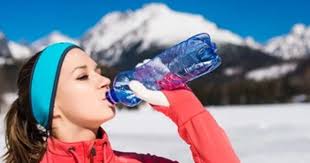
Understanding Hydration: More Than Just Thirst
Hydration is not only about drinking water when you feel thirsty. It involves maintaining the right fluid balance so your body can:
- Regulate body temperature
- Transport nutrients and oxygen
- Support digestion and metabolism
- Maintain joint lubrication
- Improve brain function and focus
Your environment, especially temperature and humidity, directly affects how much fluid your body loses and needs to replace.
How the Body Regulates Fluids
The human body constantly loses water through:
- Sweating
- Breathing
- Urination
- Digestion
To maintain balance, your body relies on thirst signals, hormones (like ADH), and kidney function. However, climate conditions interfere with these signals, making hydration more complicated in both hot and cold environments.
Hydration in Warm Climates: Why Water Needs Increase
1. Increased Sweating and Fluid Loss
In warm or hot climates, your body sweats more to cool itself down. This leads to:
- Rapid fluid loss
- Loss of electrolytes like sodium and potassium
- Higher risk of dehydration
Even if sweat evaporates quickly, especially in dry heat, you are still losing water.
2. Higher Risk of Heat-Related Illness
Inadequate hydration in warm weather can cause:
- Heat exhaustion
- Heat cramps
- Heat stroke
- Dizziness and headaches
Proper hydration helps regulate body temperature and prevent these conditions.
3. Increased Physical Activity in Warm Weather
People tend to be more active in warm climates—outdoor workouts, sports, walking, or running. This raises fluid demand even further, especially for fitness enthusiasts.
Hydration in Cold Climates: The Hidden Dehydration Risk
Many people underestimate dehydration in cold weather. However, cold climates present unique hydration challenges.
1. Reduced Thirst Sensation
Cold temperatures suppress the thirst mechanism. You may not feel thirsty, but your body still loses fluids through:
- Breathing cold, dry air
- Increased urination
- Physical activity (winter sports, walking)
This leads to unintentional dehydration.
2. Cold-Induced Diuresis
In cold weather, blood vessels constrict to preserve heat. This increases blood pressure and signals the kidneys to remove excess fluid, causing:
- More frequent urination
- Faster fluid loss
This process is called cold-induced diuresis.
3. Dry Air and Increased Respiratory Water Loss
Cold air holds less moisture. Every breath you exhale releases water vapor, increasing fluid loss—especially in cold, dry regions.
Comparing Hydration Needs: Cold vs Warm Climates
| Factor | Warm Climate | Cold Climate |
|---|---|---|
| Sweating | High | Moderate |
| Thirst signals | Strong | Suppressed |
| Urination | Normal | Increased |
| Respiratory water loss | Moderate | High |
| Dehydration awareness | High | Low |
Both climates can cause dehydration—but for different reasons.
Impact of Climate on Fitness Performance
Hydration and Exercise in Warm Weather
In warm climates, dehydration can quickly reduce:
- Endurance
- Muscle strength
- Coordination
- Recovery speed
Athletes and active individuals must increase fluid intake before, during, and after workouts.
Hydration and Exercise in Cold Weather
In cold climates, dehydration may go unnoticed, leading to:
- Early fatigue
- Muscle stiffness
- Reduced oxygen delivery
- Slower metabolism
Winter workouts still require planned hydration, even if you don’t feel thirsty.
How Much Water Do You Really Need?
There is no universal rule like “8 glasses a day.” Hydration needs depend on:
- Climate
- Body size
- Activity level
- Diet
- Health conditions
General Guidelines
- Warm climates: Increase water intake by 20–30%
- Cold climates: Maintain regular intake despite low thirst
- Active individuals: Add fluids before and after exercise
Monitoring urine color (light yellow = well hydrated) is a simple and effective method.
Role of Electrolytes in Different Climates
Warm Weather Electrolyte Loss
Sweating causes loss of sodium, potassium, and magnesium. In hot climates:
- Plain water may not be enough
- Electrolyte-rich fluids help prevent cramps and fatigue
Cold Weather Electrolyte Balance
Although sweating is less obvious, electrolyte balance is still important, especially during winter sports or long walks.
Hydration Tips for Warm Climates
- Drink water at regular intervals
- Add electrolytes during intense activity
- Eat water-rich foods like fruits and vegetables
- Avoid excessive caffeine and alcohol
- Carry a reusable water bottle
Hydration Tips for Cold Climates
- Drink water even if you’re not thirsty
- Choose warm fluids like herbal teas or warm water
- Increase intake during outdoor activities
- Eat soups and broths
- Track hydration consciously
Signs of Dehydration in Any Climate
Common dehydration symptoms include:
- Dry mouth or lips
- Fatigue
- Headaches
- Dark urine
- Muscle cramps
- Poor concentration
Ignoring these signs can negatively impact both health and fitness goals.
Internal Linking Suggestions (for DailyHealthPortal)
To improve SEO and user engagement, consider linking this article to:
- “Benefits of Drinking Water Daily”
- “Electrolytes and Athletic Performance”
- “How Weather Affects Metabolism”
- “Winter Fitness and Health Tips”
Final Thoughts: Climate-Smart Hydration Matters
Hydration is not seasonal—it’s environment-dependent. Warm climates increase fluid loss through sweating, while cold climates silently dehydrate through suppressed thirst, increased urination, and dry air. Understanding these differences allows you to hydrate smarter, improve fitness performance, and protect long-term health.
Listening to your body is important—but planning hydration based on climate is even better.
FAQs: Hydration in Cold vs Warm Climates
1. Why do I feel less thirsty in cold weather?
Cold temperatures reduce thirst signals, even though your body still loses water through breathing and urination. This makes dehydration common in winter despite low thirst.
2. Do I need less water in winter than summer?
No. While sweating may be less visible, cold weather increases fluid loss through respiration and urination. Your hydration needs remain similar year-round.
3. Is warm water better for hydration in cold climates?
Yes. Warm fluids are easier to consume in cold weather and help maintain hydration without lowering body temperature.
4. Can dehydration affect workout performance in winter?
Absolutely. Even mild dehydration can reduce endurance, cause muscle stiffness, and slow recovery during cold-weather exercise.
5. How can I tell if I’m dehydrated in cold weather?
Dark urine, fatigue, headaches, and dry lips are common signs. Since thirst is unreliable, monitoring urine color is helpful.
6. Are electrolytes needed in cold climates?
Yes, especially during physical activity. Electrolytes support muscle function, hydration balance, and energy levels.
7. Does cold air increase water loss?
Yes. Cold, dry air increases moisture loss through breathing, which contributes to dehydration over time.