
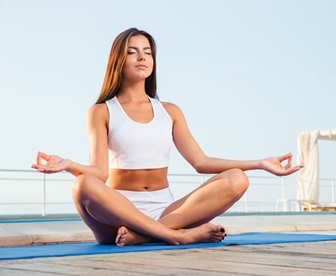
Meta Title: Best Meditation Techniques for Stress Reduction | Daily Health Portal
Meta Description: Discover the most effective meditation techniques for stress reduction. Learn simple, science-backed practices to relax your mind, boost mental clarity, and feel calmer every day.
Stress has become a normal part of modern life, especially with long work hours, family responsibilities, and constant digital distractions. Whether you’re a busy professional, a parent juggling multiple tasks, or simply someone trying to improve mental wellbeing, meditation can be one of the simplest and most effective solutions.
Meditation is no longer just a spiritual practice — it’s a scientifically backed method for reducing anxiety, improving focus, and calming the nervous system. In this article, we explore the best meditation techniques for stress reduction, how they work, and how you can easily incorporate them into your daily routine.
H2: Why Meditation Helps Reduce Stress
Meditation works by calming the mind, lowering cortisol levels (the stress hormone), and allowing your nervous system to reset. When you practise meditation regularly, you train your brain to respond more calmly to daily challenges.
H3: Key Benefits of Meditation for Stress Relief
- Reduces anxiety and mental tension
- Improves emotional balance
- Helps you sleep better
- Increases focus and clarity
- Supports overall mental health
- Promotes relaxation and mindfulness
Even 10 minutes a day can make a noticeable difference.
H2: The Best Meditation Techniques for Stress Reduction
Below are proven, easy-to-follow meditation techniques that work for beginners and advanced practitioners alike.
H2: 1. Mindfulness Meditation
Mindfulness meditation is one of the most popular techniques, especially in the USA and UK. It helps you become aware of your thoughts, surroundings, and emotions without judging them.
H3: How It Reduces Stress
Mindfulness brings your attention to the present moment. This stops your mind from overthinking, which is one of the biggest triggers of stress.
H3: How to Practise Mindfulness Meditation
- Sit in a comfortable position.
- Close your eyes and breathe naturally.
- Focus on your breath as it enters and leaves your body.
- If your mind wanders, gently bring it back to your breath.
Start with 5 minutes and gradually increase to 15–20 minutes.
H2: 2. Deep Breathing Meditation
Deep breathing (also called diaphragmatic breathing) is one of the fastest ways to reduce stress. It activates the parasympathetic nervous system, which relaxes your body.
H3: How It Reduces Stress
Shallow breathing increases tension and anxiety. Deep breathing improves oxygen flow, calms the heart rate, and lowers cortisol.
H3: How to Practise Deep Breathing
- Inhale through your nose for 4 seconds.
- Hold for 2 seconds.
- Exhale slowly for 6 seconds.
- Repeat for 3–5 minutes.
This technique is ideal for workplace stress or when you need quick relaxation.
H2: 3. Body Scan Meditation
Body scan meditation focuses on relaxing the muscles and connecting with your body. It is helpful for people who hold stress physically (neck pain, back pain, headaches).
H3: How It Reduces Stress
By releasing physical tension, your mind naturally becomes calmer.
H3: How to Practise Body Scan Meditation
- Lie down comfortably.
- Close your eyes.
- Shift attention from your toes to your head, relaxing each muscle group.
- Breathe deeply throughout the process.
A 10–20 minute body scan before bed can improve sleep quality.
H2: 4. Guided Meditation
Guided meditation is perfect for beginners who find silence uncomfortable. You listen to an audio guide or meditation coach who leads the entire session.
H3: How It Reduces Stress
Guided meditations help redirect your mind and provide structure, preventing overthinking.
H3: Best Times for Guided Meditation
- Before bed
- During work breaks
- In the morning to start the day calmly
You can find guided meditations on YouTube, Spotify, and many popular meditation apps.
H2: 5. Loving-Kindness Meditation (Metta)
This technique focuses on developing feelings of compassion and kindness toward yourself and others.
H3: How It Reduces Stress
Negative emotions create mental pressure. Loving-Kindness meditation replaces those feelings with positivity and emotional balance.
H3: How to Practise
Repeat phrases like:
- “May I be calm.”
- “May I be healthy.”
- “May others be happy.”
This practice improves emotional resilience and reduces anger, frustration, and irritability.
H2: 6. Mantra Meditation
Mantra meditation involves repeating a calming word or phrase, such as “peace”, “relax”, or “I am calm.”
H3: How It Reduces Stress
The repetition of a mantra keeps your mind focused and quiet, preventing stressful thoughts from dominating.
H3: How to Practise
- Choose a simple word or phrase.
- Sit comfortably and repeat it silently or aloud.
- Continue for 5–15 minutes.
H2: 7. Walking Meditation
Not all meditation requires sitting still. Walking meditation combines mindful walking with controlled breathing.
H3: How It Reduces Stress
Movement relaxes the body, while mindfulness calms the mind — a perfect combination for people who struggle with traditional meditation.
H3: How to Practise
- Walk slowly.
- Focus on each step.
- Feel the sensation of your feet touching the ground.
- Maintain slow, steady breathing.
It’s ideal for busy people or anyone who spends long hours sitting.
H2: 8. Zen Meditation (Zazen)
Zen meditation is a traditional Buddhist practice focused on posture, breathing, and quiet observation.
H3: How It Reduces Stress
It helps clear the mind, improve concentration, and create a deep sense of calm.
H3: How to Practise
- Sit on a cushion with a straight spine.
- Keep your eyes half-open.
- Focus on your breath.
- Let thoughts pass without reacting.
It may take some practice but the results are powerful.
H2: 9. Progressive Relaxation
Progressive relaxation involves tightening and relaxing different muscle groups in sequence.
H3: How It Reduces Stress
It releases physical tension and improves mind-body awareness.
H3: How to Practise
- Tighten a muscle group (like your shoulders) for 5 seconds.
- Release and relax.
- Move through each part of your body.
This is great for reducing stress-related muscle tension.
H2: 10. Visualisation Meditation
Visualisation uses mental imagery to create a feeling of peace. Picture a beach, forest, mountain, or any relaxing place.
H3: How It Reduces Stress
The mind cannot distinguish between real and imagined relaxation. Visualisation triggers a calming response.
H3: How to Practise
- Sit comfortably.
- Close your eyes.
- Imagine a peaceful scene with details (sound, smell, temperature).
- Stay in this visual space for 5–10 minutes.
H2: How to Choose the Right Meditation Technique
Not every technique will suit everyone. Choose based on your personality and stress triggers.
H3: Best Techniques for High Stress
- Mindfulness
- Deep breathing
- Guided meditation
H3: Best Techniques for Emotional Stress
- Loving-Kindness
- Visualisation
- Body scan
H3: Best Techniques for Busy People
- Walking meditation
- Short deep breathing sessions
H2: Tips to Make Meditation a Daily Habit
- Start small (5 minutes daily).
- Choose a calm environment.
- Practise at the same time each day.
- Use a meditation app for guidance.
- Stay consistent — results come with time.
Even small improvements can lead to major stress reduction over weeks or months.
H2: Internal Linking Suggestions
You can link this article to:
- “The Importance of Rest Days for Muscle Recovery”
- “How to Avoid Plateaus in Weight Loss”
- “10 Quick Workouts for Busy Moms”
These links improve SEO and keep readers engaged on your website.
H2: FAQs: The Best Meditation Techniques for Stress Reduction
1. What is the fastest meditation technique for stress relief?
Deep breathing meditation is the quickest method because it calms the nervous system instantly. Slow, controlled breaths lower your heart rate, relax muscles, and reduce stress within minutes, making it ideal for busy people or workplace pressure.
2. How long should I meditate to reduce stress?
Most people benefit from 10–15 minutes per day. Even short sessions can lower cortisol levels and improve mood. Consistency matters more than session length, so start small and gradually increase the duration as you feel comfortable.
3. Is meditation good for anxiety and overthinking?
Yes, mindfulness and guided meditation are particularly effective for reducing overthinking. These methods help you stay present, calm racing thoughts, and develop better control over your mental responses, which lowers anxiety over time.
4. Can beginners try advanced meditation techniques?
Beginners should start with simple techniques like deep breathing or mindfulness. Advanced practices such as Zen meditation require discipline and focus, so it’s better to build a foundation first before trying complex methods.
5. Can meditation help with sleep problems caused by stress?
Absolutely. Body scan meditation and progressive relaxation are excellent for releasing physical tension and calming the mind before bed. These practices slow brain activity, reduce muscle tightness, and prepare your body for restful sleep.
6. How many times a day should I meditate?
Most people meditate once daily, but you can practise 2–3 short sessions if your stress levels are high. Morning meditation improves clarity, while evening meditation helps release tension built up throughout the day.
7. Do I need a quiet room for meditation?
A quiet environment helps, but it’s not mandatory. Walking meditation or breathing meditation can be done anywhere — even during a commute or lunch break. The key is focusing your attention on the present moment.
8. Is guided meditation better than silent meditation?
Guided meditation is easier for beginners because it gives structure and direction. Silent meditation is great for experienced practitioners who can maintain focus without help. Both methods effectively reduce stress.
9. How soon will I feel the benefits of meditation?
Some people feel calmer after the first session, while others notice changes after 1–2 weeks of consistent practice. Long-term benefits like improved focus, emotional balance, and reduced anxiety come with regular daily meditation.